
Hidden Deck Drainage Systems: Are They Right for Colorado’s Freeze-Thaw Climate?

Hidden under-deck drainage solutions have become increasingly sophisticated, yet their effectiveness in Colorado’s unique climate—marked by frequent freeze-thaw cycles and sudden downpours—remains a nuanced subject. This article will dissect how modern concealed drainage technologies, vapor barriers, and smart water management strategies interact with local weather patterns, and will examine the long-term implications for both wood and composite decking structures. Homeowners often grapple with questions about mold prevention, ice damming, substructure longevity, and the subtle trade-offs between system types. Understanding these complexities is critical for those seeking a durable, low-maintenance deck investment along the Colorado Front Range.
How to Choose a Decking System That Survives Colorado’s Freeze-Thaw Cycle

Despite Colorado’s stunning views, the Front Range’s rapid temperature changes and intense freeze-thaw cycles create unique challenges for decking longevity and safety. This article will dig deep into how specialized decking systems—such as capped composites, PVC, and advanced moisture barriers—address the microscopic expansion and contraction that causes warping, cracking, and hidden rot in traditional decks. We’ll explore real-world case studies from Littleton, Highlands Ranch, and Castle Rock, discuss the science behind material resilience, and answer homeowner questions about selecting systems that stand up to Colorado’s climate while minimizing long-term maintenance and repair costs. This nuanced guide is essential for homeowners seeking to make a confident, future-proof investment in outdoor living spaces.
Preventing Deck Movement in Colorado: Advanced Solutions for Expansive Soils

Homeowners across the Colorado Front Range face a subtle but serious challenge—expansive clay soils that can cause decks to shift, tilt, or even collapse if not properly addressed during installation. This article will dig deep into the science of expansive soils, exploring how they interact with deck foundations and why traditional building techniques often fall short in this region. It will cover advanced engineering solutions such as helical piers, deeper footings below frost lines, and moisture control strategies that safeguard against soil movement. We’ll address complex questions around local permitting requirements, costs, and long-term maintenance, helping homeowners understand why tackling soil stability early is crucial—not just for the longevity of their deck, but for ensuring family safety and the value of their property.
Hidden Deck Fasteners in Colorado: Weighing the Pros and Cons for Your Home

Hidden fastening systems are gaining traction among Colorado Front Range homeowners seeking sleek aesthetics and splinter-free finishes for their decks. This article will dig deep into the engineering behind concealed fasteners, covering how they impact structural longevity, seasonal expansion-contraction, and water resistance—especially in the region’s freeze-thaw cycles. We’ll explore nuanced installation challenges, compatibility with composite and hardwood options, and local code considerations from Littleton to Castle Rock. Homeowners will gain insight into whether the investment in hidden fasteners is justified for Colorado’s unique climate, and what hidden pitfalls or maintenance requirements they should anticipate.
Engineering Decking Systems to Withstand Colorado’s Freeze-Thaw Cycles and Moisture
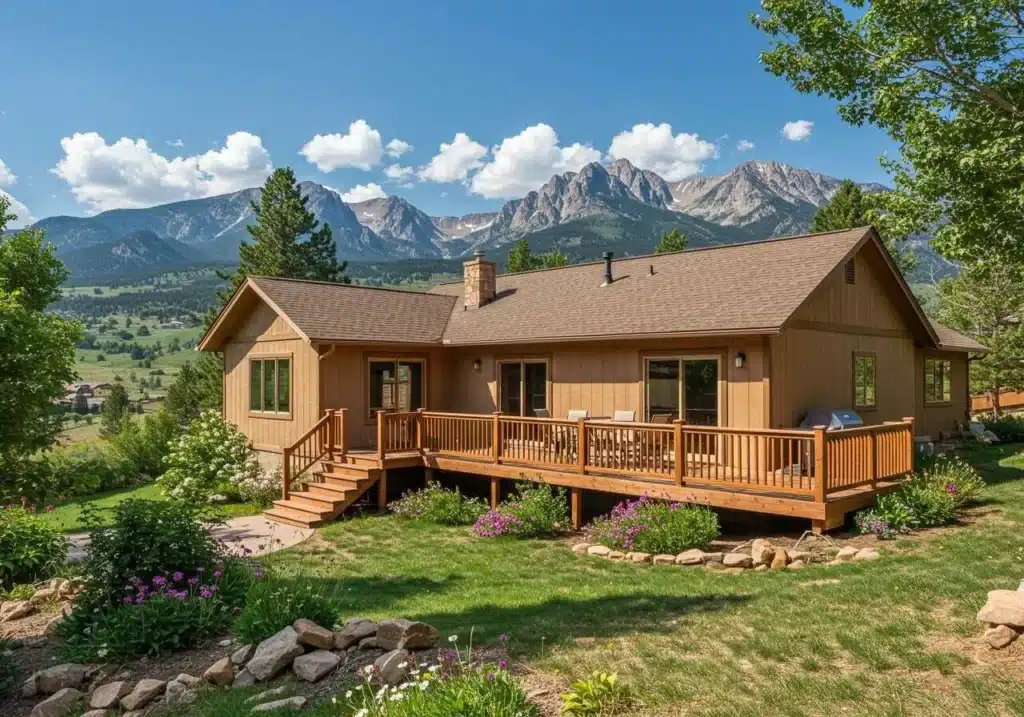
This article delves into the nuanced science of designing decking systems that thrive in Colorado’s rapidly changing weather, with a sharp focus on the freeze-thaw cycles and moisture management unique to the Front Range. We’ll explore how microclimates, elevation, and exposure affect material choices—especially concerning water infiltration, drainage, and expansion/contraction issues. Homeowners will learn why standard designs often fall short, what cutting-edge products and construction details can prevent rot and structural decay, and which local code nuances demand special attention. This guide aims to answer critical questions about longevity, safety, and maintenance, providing actionable insights for anyone planning a deck replacement or installation in this challenging region.
Mastering Deck Drainage: Preventing Moisture Damage on Colorado Front Range Decks
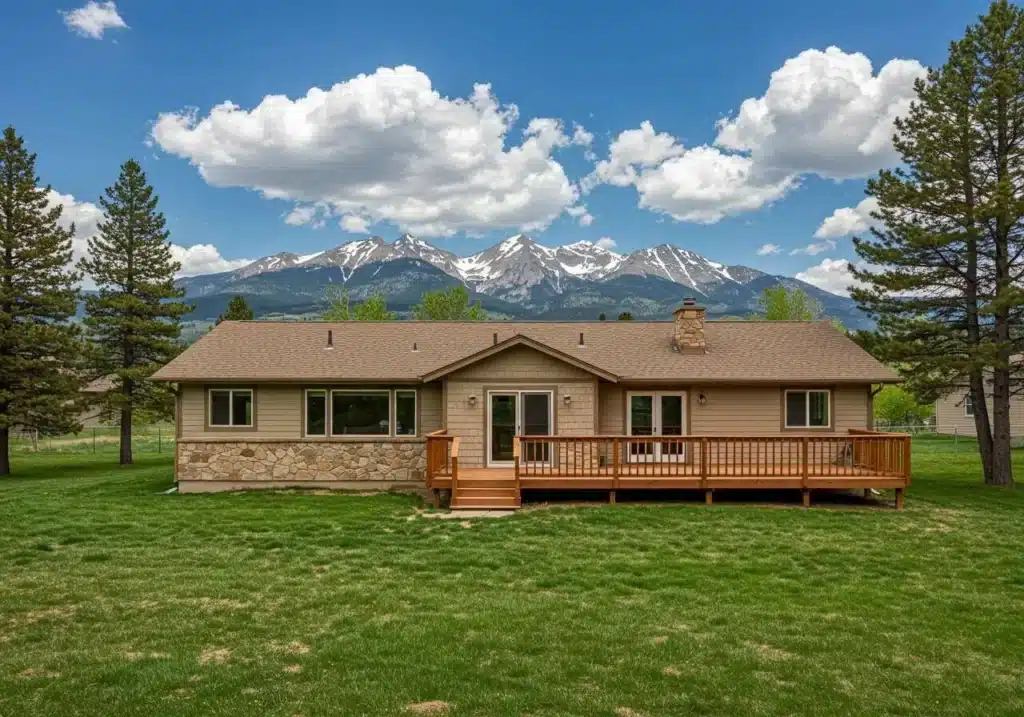
Effective deck drainage is a crucial but often overlooked element of long-term deck performance—especially along Colorado’s Front Range, where weather swings between heavy snow, violent hail, and intense sun can create persistent moisture issues beneath and within decking systems. This article will dive deep into hidden deck drainage solutions, the science behind moisture migration and freeze-thaw cycles, and the latest innovations for protecting joists and substructures from rot and corrosion. We’ll also explore real-world problems such as ice dams and water pooling unique to homes in Littleton, Castle Rock, and Highlands Ranch, answering sophisticated questions about installation methods, cost vs. benefit, and building code requirements. Homeowners will gain practical insight into how investing in the right drainage system now can save thousands in repairs—and safeguard their outdoor living spaces for decades.
Mastering Hidden Deck Drainage: Preventing Moisture Damage in Colorado’s Unique Climate
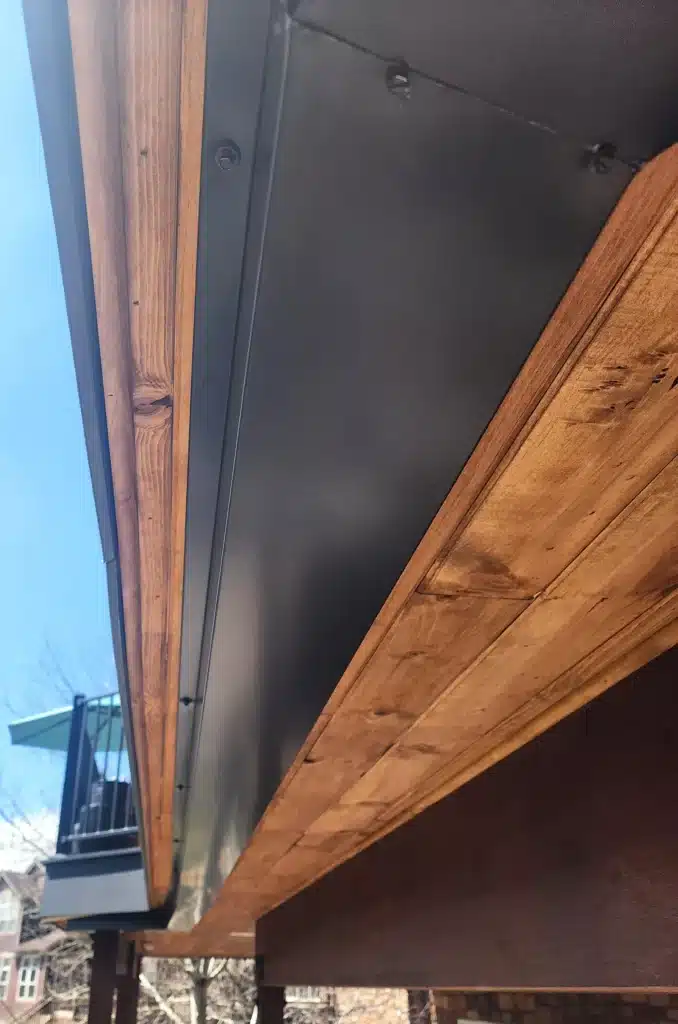
Building or upgrading a deck in Colorado’s Front Range—from Littleton to Castle Rock—means more than just choosing the right boards and railings. Hidden deck drainage systems are the invisible heroes that protect your investment from the region’s notorious weather swings. But how exactly do they work, what pitfalls should local homeowners watch out for, and why do design decisions matter even more here than in other climates?
Engineering Deck Drainage Systems for Colorado’s Freeze-Thaw Extremes
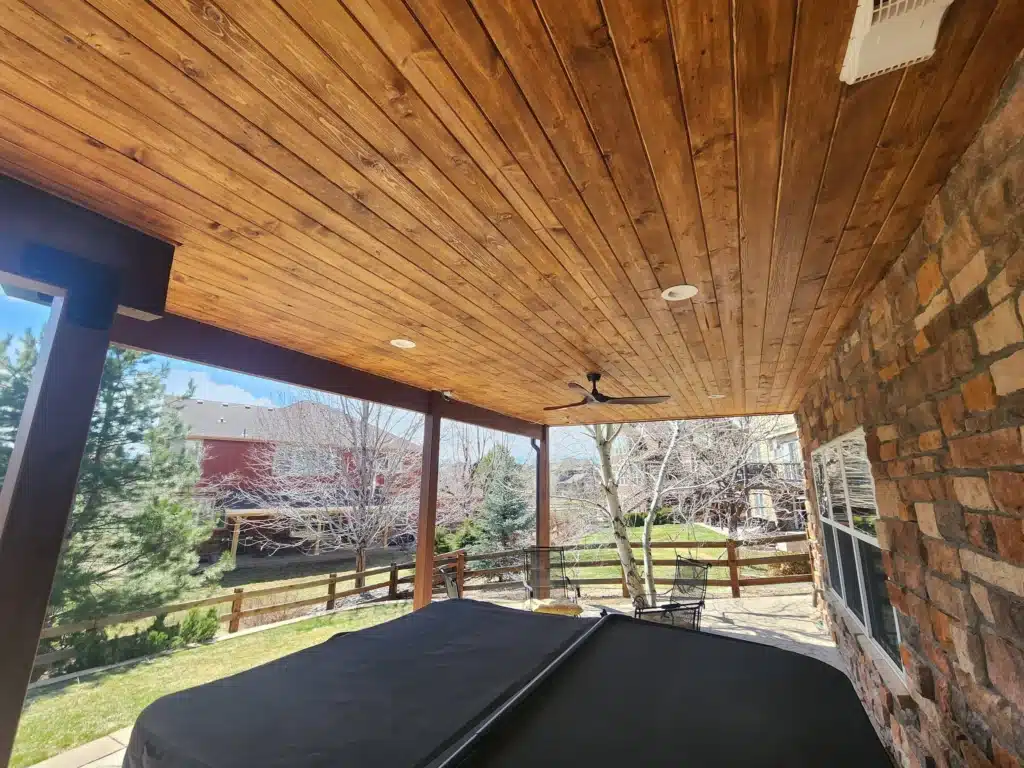
Colorado’s Front Range brings breathtaking mountain views and unpredictable weather—particularly the relentless freeze-thaw cycles that challenge even the most well-built residential decks. If you’re a homeowner in Littleton, Parker, Highlands Ranch, or surrounding areas, you may have witnessed how quickly water infiltration and fluctuating temperatures can degrade outdoor living spaces. But what exactly makes deck drainage so important here, and how can you engineer a system that stands up to Colorado’s unique climate?
Integrating Advanced Drainage and Waterproofing in Colorado Decking Systems
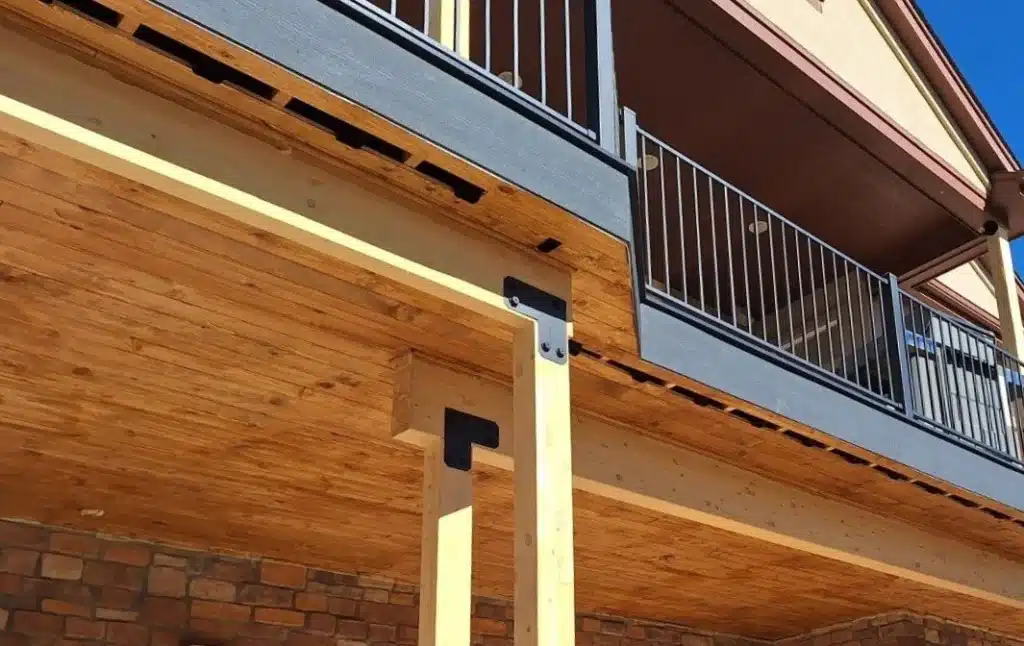
Are you a Front Range homeowner worried about your deck surviving Colorado’s wild weather? From sudden hailstorms in Highlands Ranch to freeze-thaw stress in Castle Rock, outdoor living spaces here take a serious beating. Integrating the right drainage and waterproofing systems isn’t just a good idea—it’s essential to safeguarding your deck investment for years to come. Let’s explore how modern technologies and techniques can help you avoid costly damage and ensure your deck is ready for anything Colorado throws its way.
Choosing Decking Systems for the Colorado Front Range’s Extreme Weather Swings
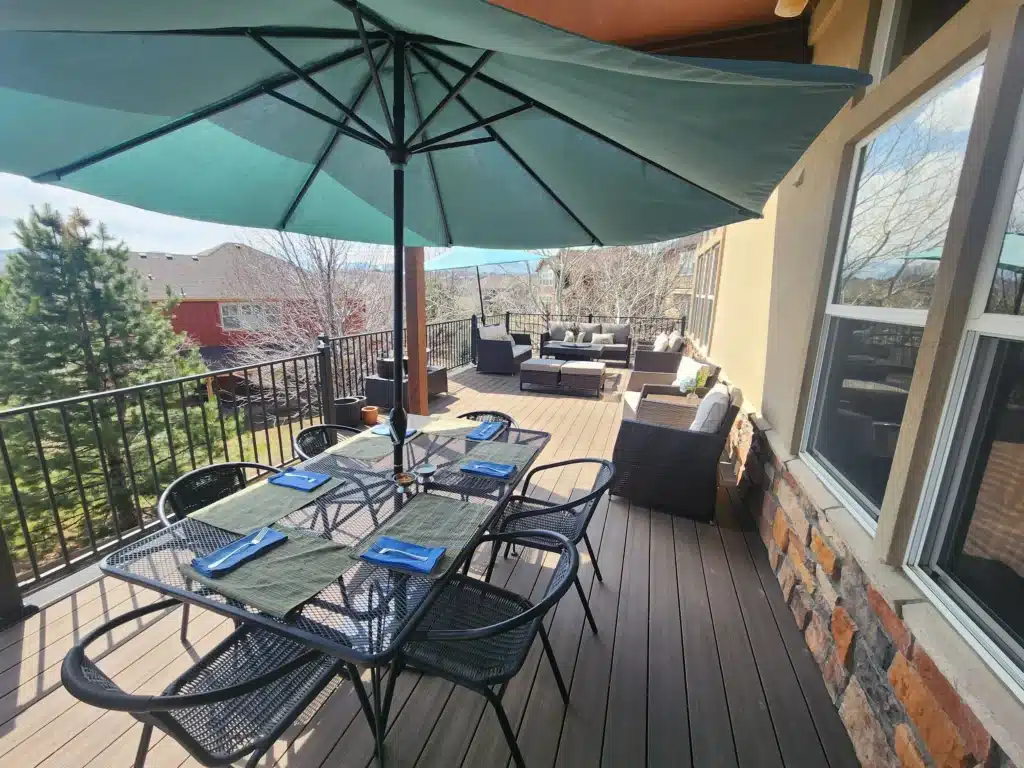
Are you a homeowner in Littleton, Highlands Ranch, Parker, or anywhere along the Colorado Front Range? If so, you know that our region’s weather is anything but predictable. The intense UV rays, rapid temperature swings, heavy snowfalls, and the occasional hailstorm can easily take a toll on even the sturdiest deck. So, what’s the secret to a deck that lasts—without warping, cracking, or fading?