
Building Frost-Safe, Permit-Ready Decks on Colorado’s Front Range: A Practical Guide for Homeowners

A hands-on, decision-focused guide for homeowners and contractors building new decks across Colorado’s Front Range (Littleton, Centennial, Parker, Highlands Ranch, Golden, Aurora, Castle Rock) that synthesizes geotechnical, structural and permitting constraints into a single design-to-build roadmap. The article will begin with a disciplined site-assessment method—mapping frost depth, soil bearing capacity, drainage paths and solar exposure—and translate those findings into foundation choices (30″+ concrete piers, helical piles, frost-protected shallow options) and a lifecycle cost/maintenance comparison. It will then present an evidence-based decision matrix for ledger-attached versus freestanding decks that weighs structural safety (ledger flashing, rim-joist connections, snow-loads >40 psf in some zones), inspection risk, and long-term water intrusion liabilities. Material selection will be evaluated through the lens of Colorado’s freeze–thaw cycles and de-icing chemistry—comparing pressure-treated, cedar, capped composites and aluminum for durability, staining, and thermal performance—followed by sizing rules (joists, beams, railing and stair requirements) calibrated to local code triggers and common municipal permit checklists. Finally, the guide will provide a realistic construction sequencing and permitting timeline, a prioritized checklist for permit-ready drawings and inspections tailored to Front Range jurisdictions, and a short risk-mitigation playbook (temporary snow-shedding strategies, drainage corrections, and inspection checkpoints) so homeowners can make reproducible, low-risk decisions before signing a contract.
Comparative Guide: Selecting the Best Deck Substructure for Colorado Front Range Homes
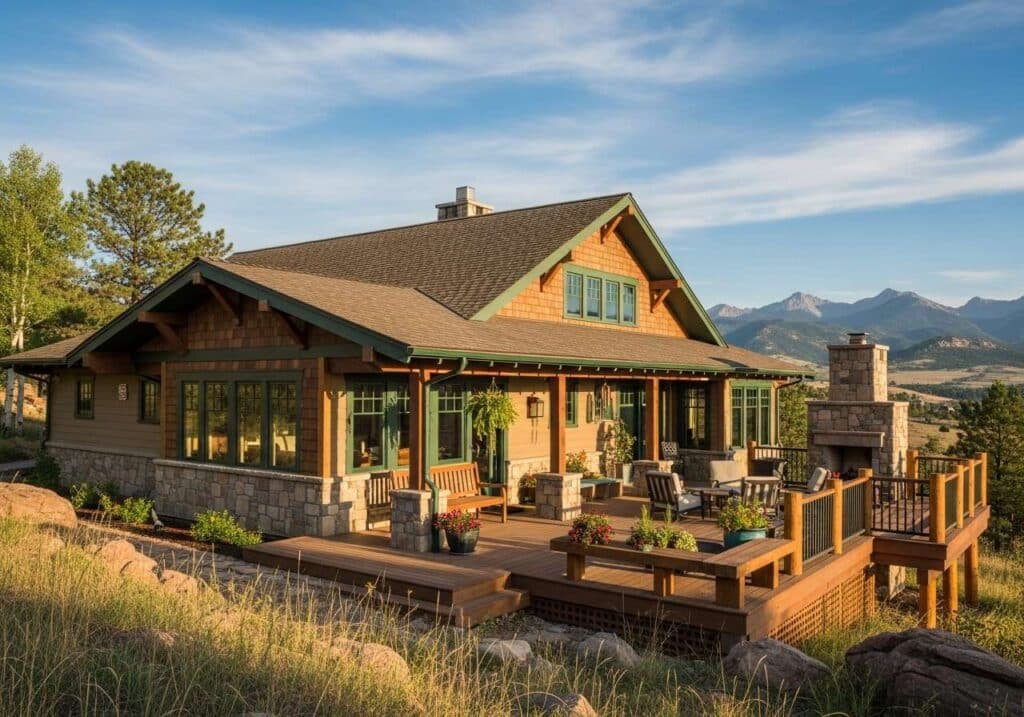
This article will develop a decision-focused, performance-driven framework for selecting and detailing deck substructures on the Colorado Front Range by comparing open- and closed-framing, cantilever, post-and-beam, pier/helical, and hybrid systems. Rather than a superficial survey, the piece will quantify trade-offs—serviceability and limit-state performance, snow- and wind-load responsiveness, frost-heave resilience, corrosion risk from Front Range de-icing practices, and lifecycle cost and maintenance profiles—while mapping those metrics to site constraints (soil type, slope, proximity to grade, and typical suburban parcel setbacks found in Littleton, Highlands Ranch, and Castle Rock). It will evaluate fastening and connector systems (stainless vs. hot-dip galvanized, structural screws vs. nails vs. hidden-clip systems), ledger attachment strategies and the merits of free-standing designs for ledger failure mitigation, and detail drainage, ventilation, and thermal-bridging controls that extend service life. The article will conclude with a permit- and inspection-oriented checklist, a simple quantitative decision matrix showing when to choose each system, and two short case-study retrofit designs (a pier retrofit for a frost-susceptible lot and a cantilever-to-hybrid conversion for an energy-efficient composite deck) with expected timelines, primary cost drivers, and risk-mitigation options for homeowners and project managers.
How to Design Climate-Resilient Deck Foundations for Colorado Front Range Homes
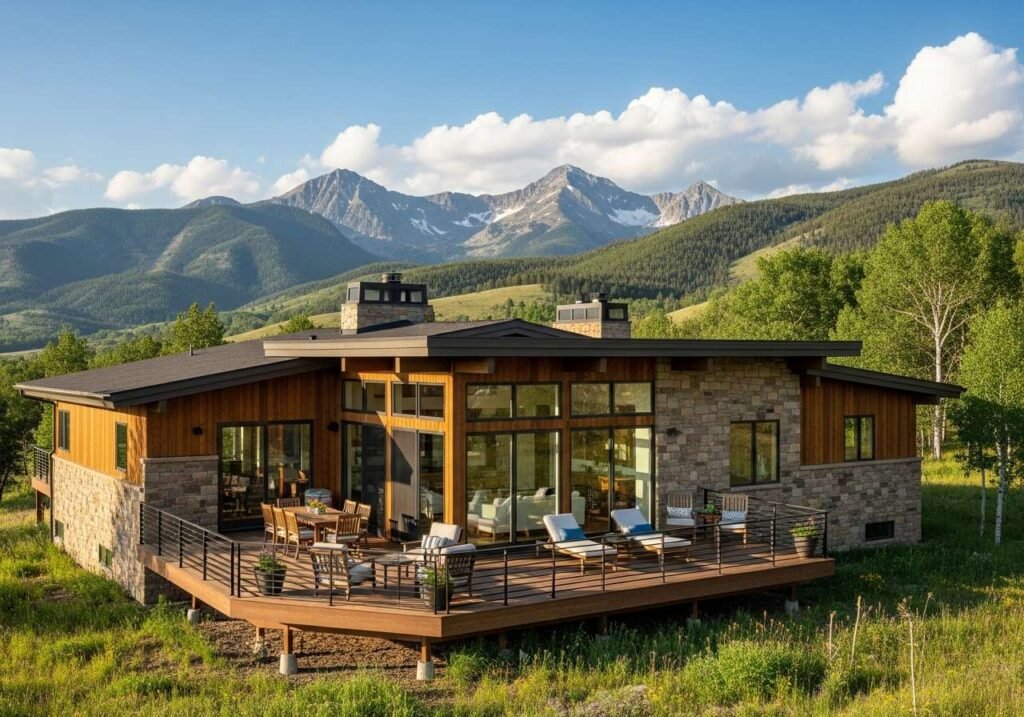
This article will provide a technical, place-based guide to designing and specifying new deck foundations and structural systems optimized for Colorado’s Front Range—balancing frost-heave risk, variable soils (expansive clays and sandy alluvium), and high snow loads with lifecycle cost and permit realities. It will walk through a decision framework that ties site assessment (soil probe, drainage mapping, microclimate and solar orientation) to selection among deep concrete piers, helical piles, or shallow footings with engineered drainage; explain how ledger attachment, joist spans, and lateral bracing should be sized to ASCE standards and local code criteria for Littleton, Centennial, Parker, Highlands Ranch, Aurora, Golden, and Castle Rock; and present a comparative analysis of material systems (pressure-treated lumber, cedar, capped composite, and PVC) based on durability, maintenance regimen, thermal expansion, and wildfire resistance. The piece will also outline an efficient permitting and inspection pathway, staged construction sequencing to reduce yard disturbance and erosion, and a quantitative lifecycle-cost vs. risk matrix homeowners can use to choose between lower upfront costs and reduced long-term maintenance—capped with a call to action offering Griffin Decks & Covers’ free professional site inspections and a practical checklist for the initial on-site assessment.
Designing Frost-Resilient, Permit-Ready Decks: The Homeowner’s Guide for Colorado Front Range
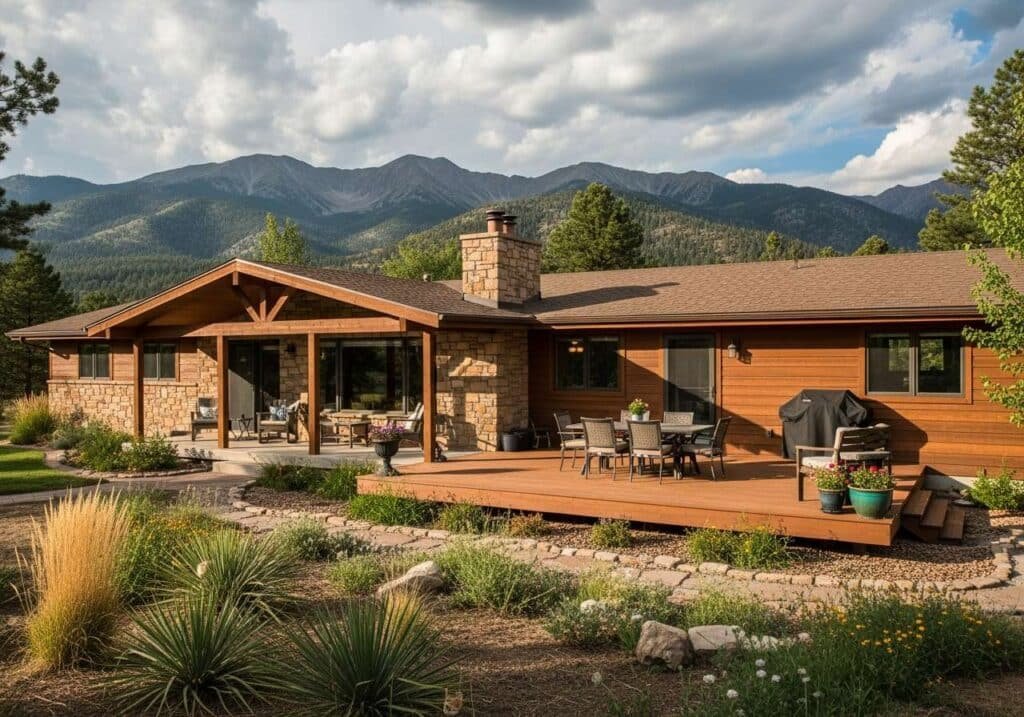
This article will present a practical, evidence‑based framework for planning new decks on the Colorado Front Range that integrates micro‑site geotechnical assessment, frost‑protected footing design, and jurisdictional permitting into one coherent decision pathway. Readers will get a step‑by‑step methodology—starting with soil and drainage diagnostics, frost‑depth and lateral‑load calculations (typical Front Range footing depths and when to specify helical piers), and engineered ledger and flashing details—then move to a materials trade‑off matrix comparing pressure‑treated lumber, capped composite, and aluminum (life‑cycle costs, thermal expansion, fastening, and maintenance). The piece will also include a permit checklist tailored to local towns (Littleton, Centennial, Parker, Highlands Ranch, Aurora, Castle Rock), threshold rules homeowners commonly encounter (e.g., 12″ versus 30″ clearance triggers), an illustrated inspection and contractor selection checklist, typical timeline and cost drivers, and targeted risk‑mitigation strategies (frost heave, snow/wind loads, water intrusion at the ledger). The goal is a single, actionable guide that enables a homeowner to produce a permit‑ready plan, understand realistic budgets and timelines, and confidently evaluate contractor proposals—backed by Griffin Decks & Covers’ 30+ years of Front Range construction experience and a free professional inspection offer.
Front Range Deck Construction Checklist: Foundations, Materials, Permits & Snow Load Considerations
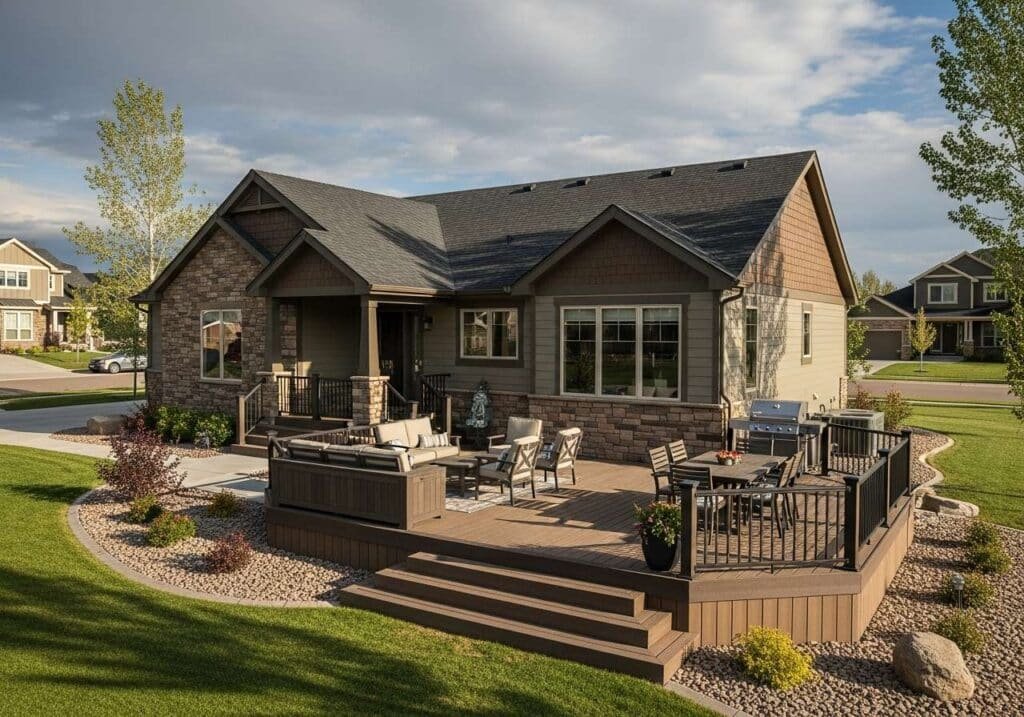
A rigorous, practice-ready framework for planning and building new residential decks on Colorado’s Front Range that integrates site geotechnical assessment, structural design for local snow and wind loads, and municipal permitting pathways. The brief guides readers through targeted decisions—when to specify helical piles versus poured concrete piers based on frost depth and access; how to calculate ledger and joist connections and flashing details to prevent water intrusion; selecting decking and railing systems using life‑cycle cost and maintenance models (wood, capped composite, PVC) and embodied‑carbon tradeoffs; grading, drainage, and stormwater management to protect foundations; and a phased construction and inspection schedule that aligns with Littleton, Centennial, Parker, Highlands Ranch, Aurora, Golden, Castle Rock and Front Range code variations. It also outlines an owner-facing risk‑mitigation checklist covering permit timelines, contractor warranties, snow‑load maintenance planning, and an itemized cost/timeline estimator so homeowners can compare bids with confidence.
Designing Frost‑Resistant Decks on Colorado’s Front Range: A Step-by-Step Roadmap to Permit-Ready Plans
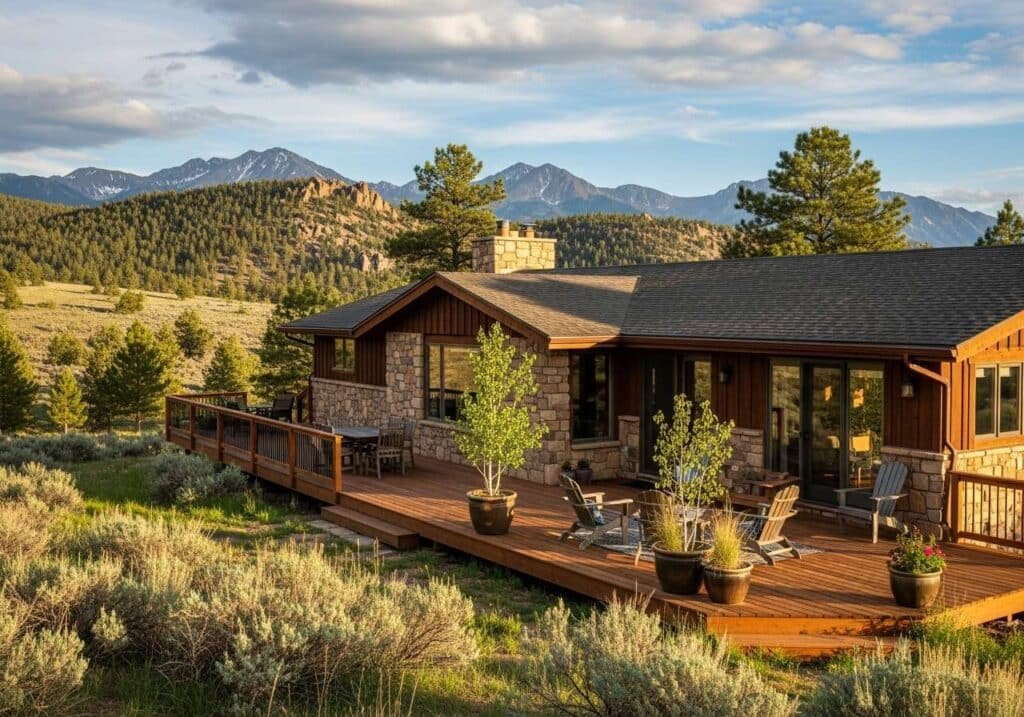
This article will guide Colorado Front Range homeowners through a decision-focused, technically grounded process for designing and specifying new decks that reliably withstand local conditions—frost heave, seasonal freeze–thaw, high winds and snow loads—while minimizing long‑term maintenance and permitting delays. It will present a step‑by‑step framework: rapid on‑site risk assessment and soil‑type triage; when to order simple geotechnical testing; a decision matrix comparing footings, helical piers and frost‑protected shallow foundations; load‑path and ledger‑attachment strategies for 30‑year performance; a comparative life‑cycle analysis of cedar, treated lumber, capped composite and aluminum (including embodied‑carbon and warranty horizons); and a practical map of permit triggers and typical submittal requirements for Littleton, Centennial, Parker, Highlands Ranch, Golden, Aurora and Castle Rock. The piece will also include homeowner‑usable tools—a permit checklist, cost and timeline ranges with contingency planning, phasing options for occupied homes, and a short contractor‑selection rubric tailored to exclusive, high‑intent leads—so readers leave confident about next steps and ready to book the company’s free professional inspection backed by Griffin Decks & Covers’ 30 years of construction experience.
From Site Assessment to Permit: A Colorado Front Range Playbook for Frost-Resistant Decks
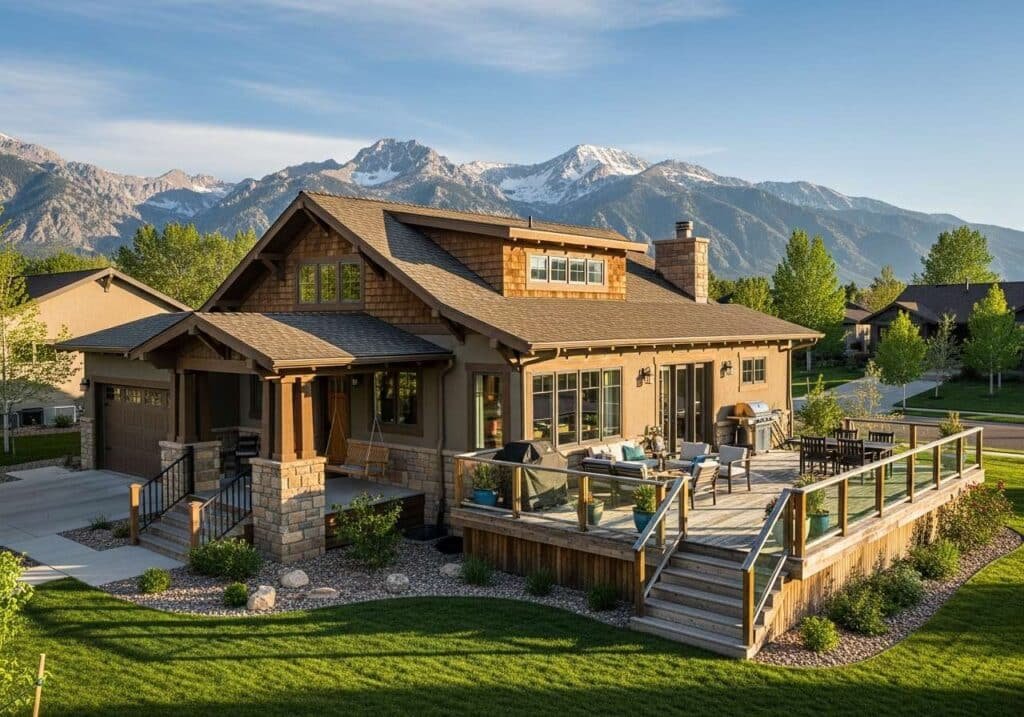
This article will be a tactical, permit-focused playbook for homeowners and builders designing new decks across the Colorado Front Range (Littleton, Centennial, Parker, Highlands Ranch, Golden, Aurora, Castle Rock). It will translate site assessment into concrete engineering decisions: how to read slope, soil type and drainage to specify pier depths (typical 36–42″ frost-line considerations), when to choose frost-protected shallow foundations versus deep piers, and how to factor local snow-load and live-load requirements into joist, beam and ledger sizing. The guide will compare attachment strategies (flashed ledger vs. freestanding), materials (pressure-treated, capped composite, tropical hardwoods) through a lifecycle cost-and-maintainability framework specific to Front Range UV, freeze–thaw and de-icing exposure, and it will map the exact permit checkpoints and documentation you’ll need in each target jurisdiction. Practical sections will cover constructability trade-offs that affect price and schedule (access, staging, retaining walls, stairs and railing layouts), a decision matrix for homeowners weighing DIY, general contractor, or design–build paths, and a sample timeline and budget breakdown with common change-order risks. The piece will close with a checklist for a permit-ready plan set and explain how a free professional inspection from Griffin Decks & Covers leverages 30+ years of regional construction experience to reduce permit delays, avoid frost-heave failures, and keep your project on time and on budget.
Designing Permit-Ready, Climate-Resilient Decks for Colorado Front Range Homes: A Step-by-Step Guide
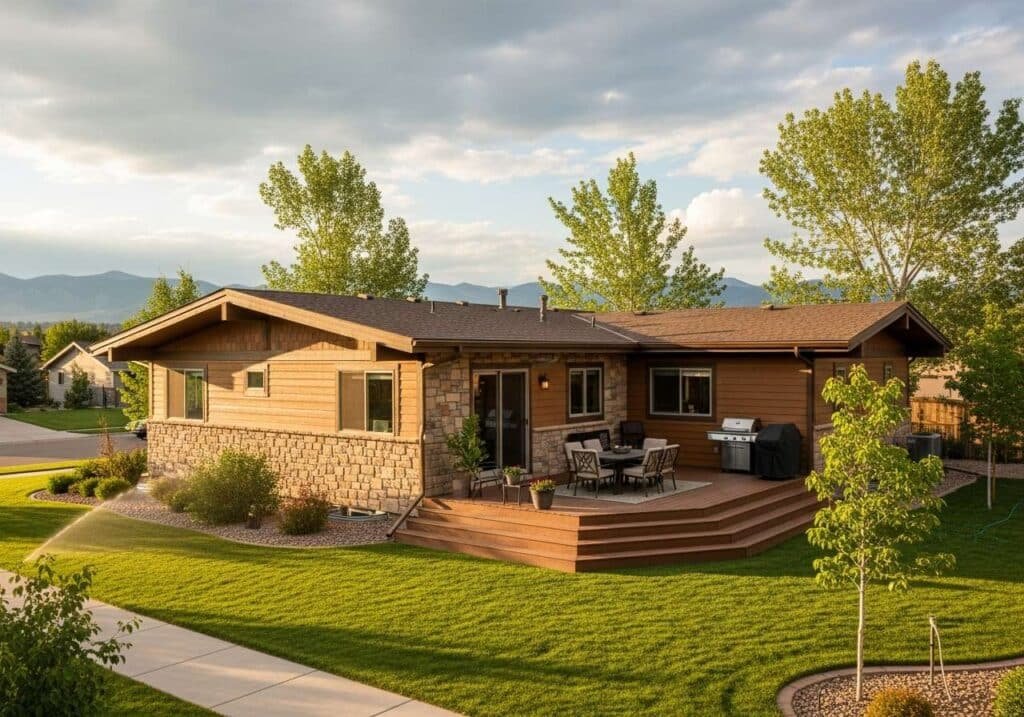
A focused, practical guide that walks homeowners through producing a permit-ready design and construction specification tailored to the Front Range’s unique risks—freeze-thaw cycles, high snow loads, varied soils, and wildfire exposure—so projects avoid costly change orders and permit delays. The article will present a step-by-step site-assessment protocol (soil bearing capacity, slope, drainage, and setback/utility checks), an engineered footing and ledger strategy for frost-protected shallow foundations, and explicit load-calculation considerations for joists, railings, and stairs. It will also include a decision matrix comparing material lifecycles (pressure-treated lumber, Western red cedar, capped composite, aluminum), fastener and flashing systems to prevent ledger failure, and fire-resistant options that satisfy HOA and municipal guidelines across Littleton, Centennial, Parker, Highlands Ranch, Golden, Aurora, and Castle Rock. Deliverables described for the homeowner: a permit packet checklist, a construction-ready scope of work with contingency and weather-window scheduling, and an inspection-ready checklist—enabling confident bids from local contractors and minimizing risk of rework or noncompliance.
A Step-By-Step Guide to Designing Durable Decks on Colorado’s Front Range
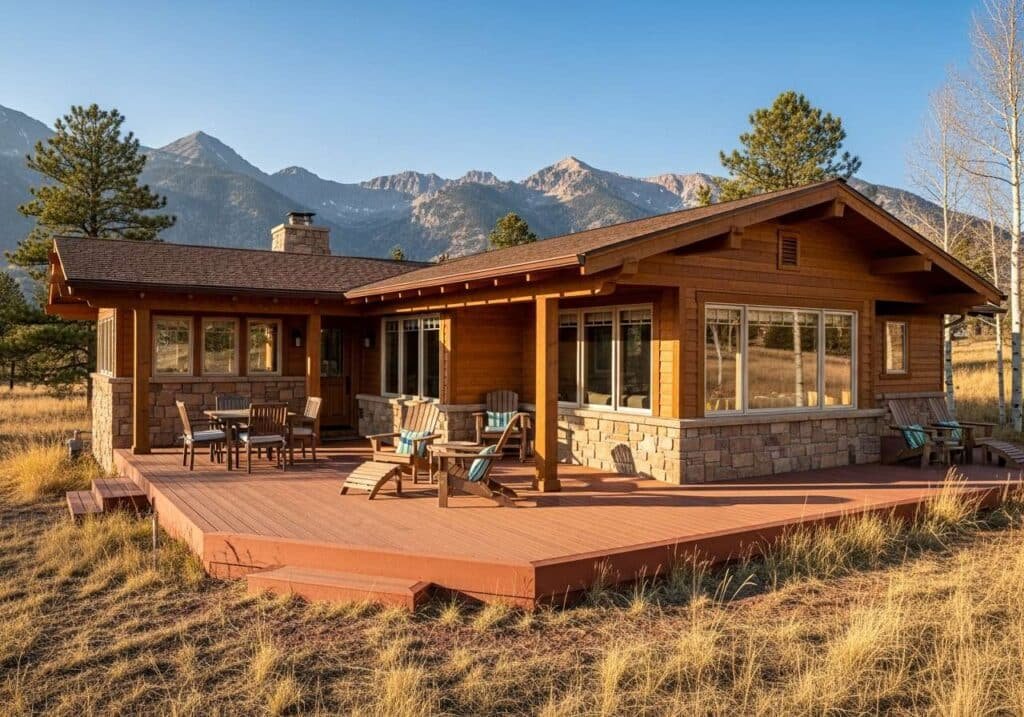
A practitioner-focused, Front Range–specific blueprint for taking a new deck from site assessment to signed-off completion, emphasizing the technical trade-offs owners and contractors must reconcile in Colorado’s climate. The article will offer a decision-making framework that covers subsurface diagnostics (soil-bearing capacity, slope, drainage, buried utilities, and tree-root conflicts), frost-depth footing strategies and when a free‑standing system is preferable to a ledger attachment, and load-path design for local snow and wind loads. It will include a comparative materials matrix (pressure-treated, cedar, thermally modified wood, capped and uncapped composites, aluminium framing), fastener and finish metallurgy (stainless vs. hot-dipped galvanized, corrosion resistance to de‑icers), and how thermal expansion, UV exposure, and maintenance regimes change lifecycle costs. Practical sections will map the permitting and HOA-review process across Front Range municipalities (Littleton, Centennial, Parker, Highlands Ranch, Golden, Aurora, Castle Rock), provide a construction sequencing and seasonal timing plan tailored to Colorado weather windows, and supply homeowner-facing deliverables: a pre-bid site checklist, a 10-point inspection checklist for final sign-off, a risk-mitigation playbook for settlement and drainage issues, and a simple lifecycle cost vs. upfront-cost calculator to help homeowners choose the right design and materials.
Designing Decks for the Colorado Front Range: Site Assessment to Material Selection
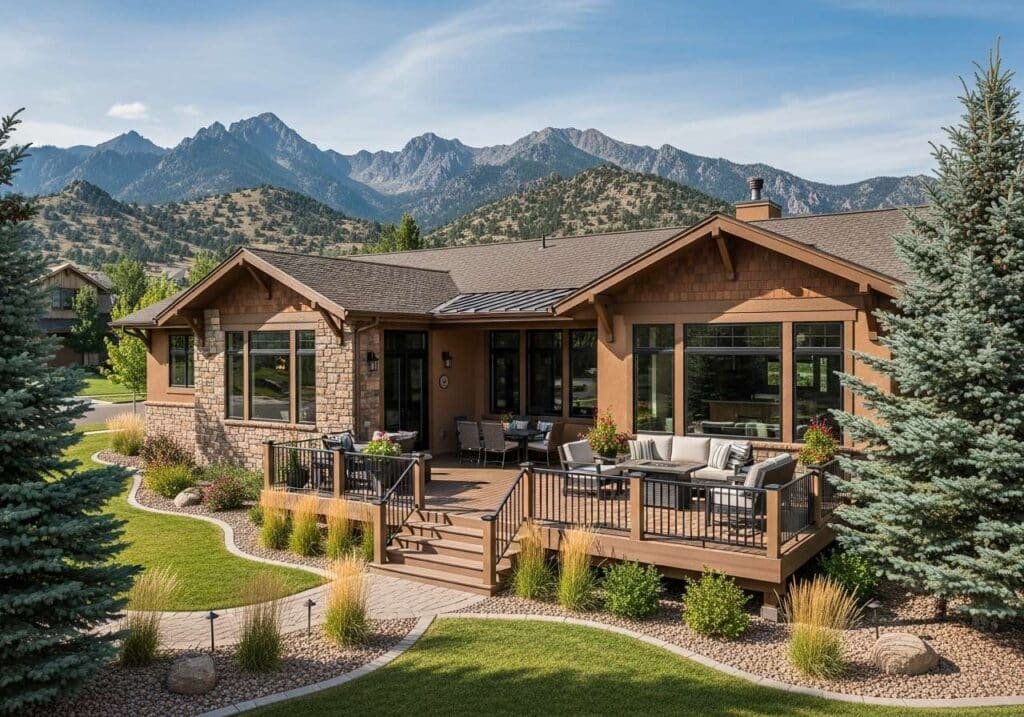
A focused, practical guide for homeowners and builders that translates site assessment into defensible design decisions for new deck installations across the Colorado Front Range. The article will present a structured decision framework—starting with microclimate and topography analysis (slope, soil type, frost depth, drainage and wind corridors), moving through layout optimization for snow-shedding, sun exposure and egress, and concluding with foundation and structural choices (concrete footings vs. helical piles, ledger anchoring, joist systems) that balance code compliance, longevity and constructability. It will include a comparative life‑cycle cost model for common materials (pressure‑treated lumber, composite, capped polymer, cedar) paired with maintenance scenarios, permit and HOA negotiation checklists tailored to Front Range municipalities, and two local case studies showing a plains low-slope deck and a foothills tiered deck. Readers will come away with a replicable pre-construction checklist, realistic timeline and budget brackets, and clear criteria to evaluate contractors and material bids.