
Diagonal Decking Patterns: Transforming Outdoor Spaces Across Colorado’s Front Range

Diagonal decking patterns, installed at a 45-degree angle, offer a sophisticated and visually striking design that enhances both the structural integrity and aesthetic appeal of your outdoor space. This pattern requires precise planning and expert craftsmanship, as it involves reducing joist spacing and making numerous angled cuts, which can increase both material costs and labor intensity. Homeowners often explore this option to emphasize views or guide movement through the space, making it a popular choice for decks over 20 feet wide. Understanding the complexities of diagonal decking is crucial for those looking to create a unique and durable deck that stands out in the Colorado Front Range.
Diagonal Decking Techniques: How 45-Degree Board Installation Boosts Deck Strength and Style
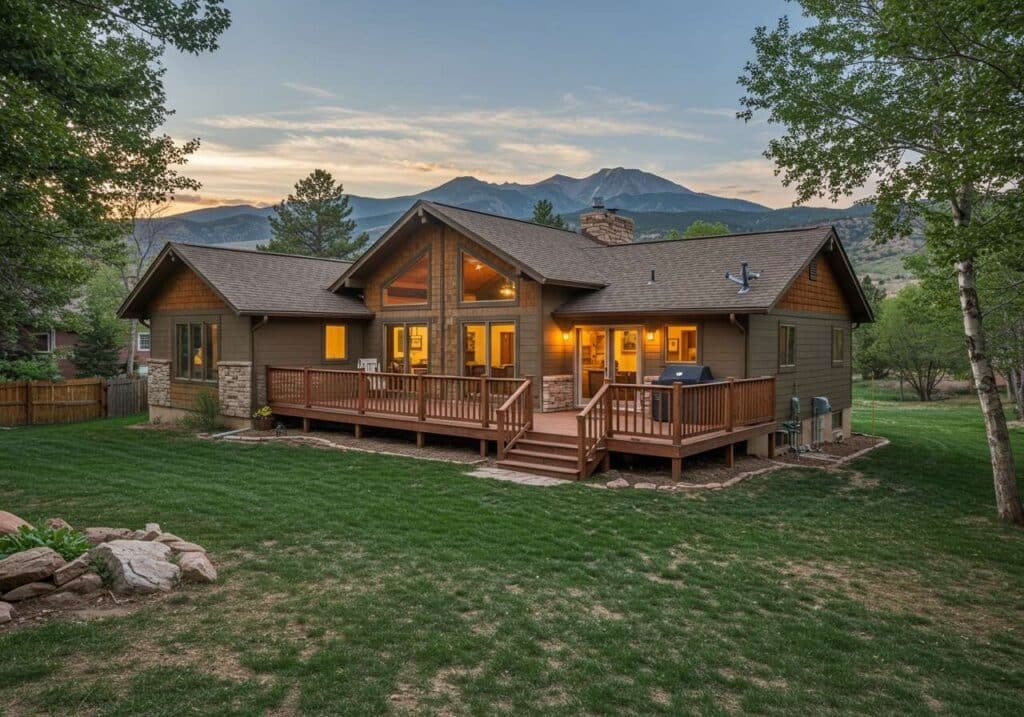
Diagonal decking, where boards are installed at a 45-degree angle across the joists, is a sophisticated technique that not only enhances the aesthetic appeal of a deck but also significantly increases its structural integrity. This approach prevents racking and often eliminates the need for sway bracing, making it a preferred choice for those seeking both style and strength. However, the complexity of diagonal decking lies in its requirement for precise cuts and potentially increased material waste, which can elevate costs. Homeowners must consider the reduced joist spacing and additional labor involved. Understanding these nuances is crucial for those in Colorado’s Front Range, where weather conditions demand robust deck constructions. This article will delve into the intricacies of diagonal decking, offering insights into planning, execution, and cost management to ensure a durable and visually striking outdoor space.
Mastering Deck Drainage and Waterproofing for Colorado Front Range Homes
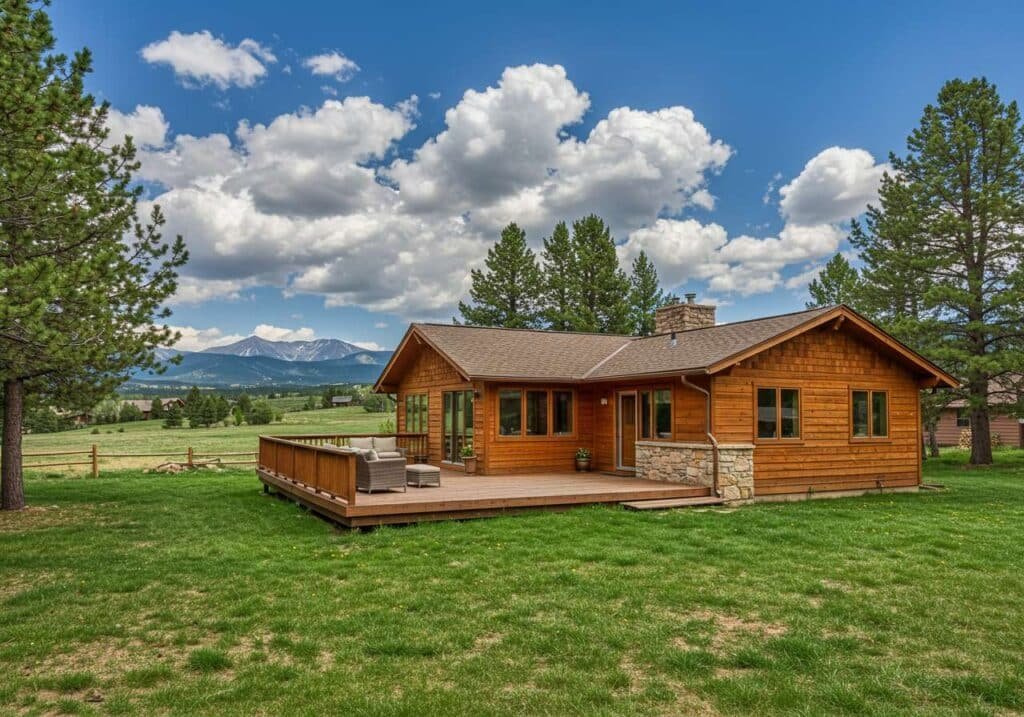
While a new deck might seem straightforward, effective drainage and waterproofing are among the most challenging—and critical—aspects of installation along the Colorado Front Range. Homeowners must navigate complex interactions between local microclimates, rapid weather changes, and soil movement to prevent costly water damage and structural failure. This article will explore advanced techniques, such as hidden drainage systems, moisture barriers, and slope calculations, as well as local code requirements unique to Littleton, Highlands Ranch, and surrounding areas. We’ll address the nuanced questions homeowners face, like how to protect ledger boards from heavy spring runoff or which materials withstand freeze-thaw cycles, ultimately helping readers avoid common pitfalls that can undermine a deck’s longevity and safety.
How to Protect Your New Deck from Colorado’s Soil Movement and Freeze-Thaw Cycles
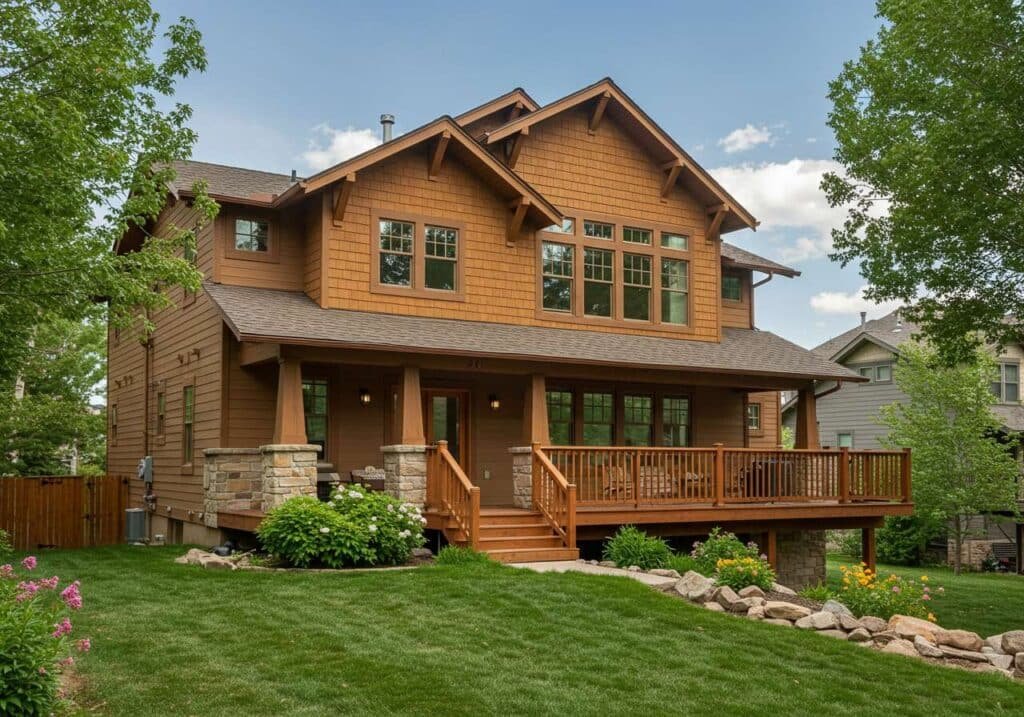
Ground movement and freeze-thaw cycles present unique challenges for new deck installations along Colorado’s Front Range. This article will delve deeply into why expansive clay soils, dramatic temperature swings, and persistent freeze-thaw action can undermine traditional deck footings and framing. We will explore advanced foundation strategies—like helical piers, specialized concrete mixes, and proper drainage—for ensuring structural integrity. Homeowners will gain insight into why these issues are so complex, how to spot potential warning signs in their own yards, and the long-term value of investing in regionally-tailored construction methods. Reliable deck foundations are essential not just for safety and longevity, but for protecting home value in Colorado’s demanding climate.
Deck Design for Colorado: Engineering for Snow Load and Moisture
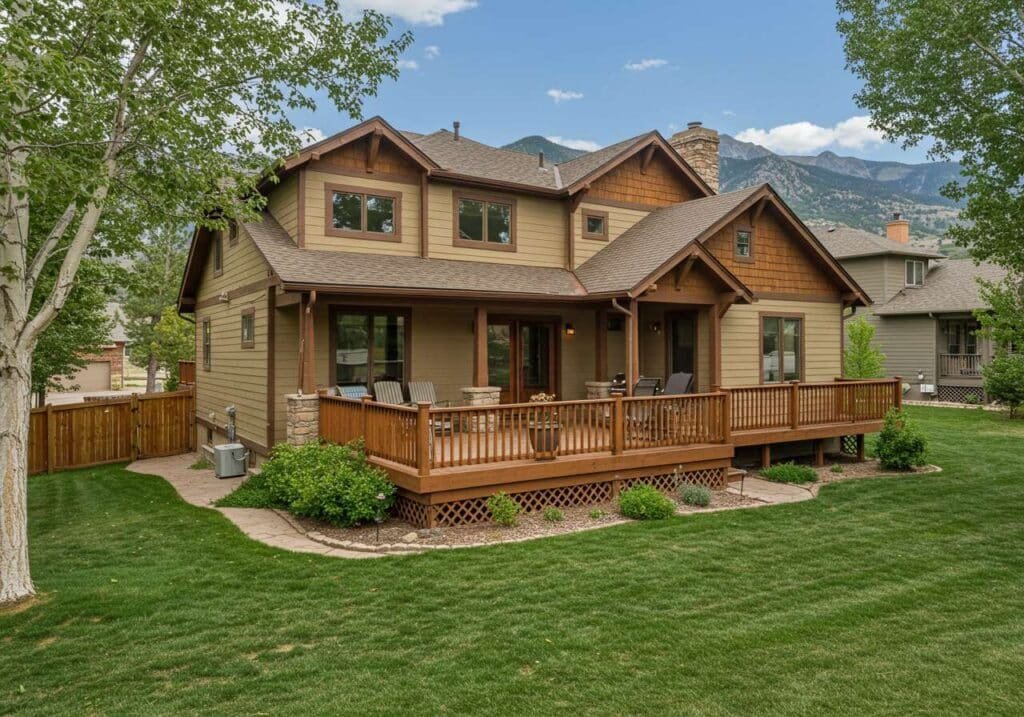
Building a new deck in the Colorado Front Range isn’t just about aesthetics—it’s a technical challenge that demands careful engineering for snow load and moisture management. Homeowners must navigate local building codes that vary with elevation, requiring specific calculations for ground snow load capacity and materials that can withstand freeze-thaw cycles. This guide will dive deep into the nuances of deck design for our climate, including which framing techniques and water management solutions truly prevent long-term rot and shifting. We’ll answer questions like: How do you ensure your deck survives heavy, wet snows in Highlands Ranch versus drier conditions in Castle Rock? What are the hidden pitfalls with composite versus wood in this region? Homeowners will gain the practical, location-specific insights needed to invest confidently in a deck that’s both beautiful and built to last.
Engineering Multi-Level Decks for Sloped Yards in Colorado’s Front Range: Expert Insights
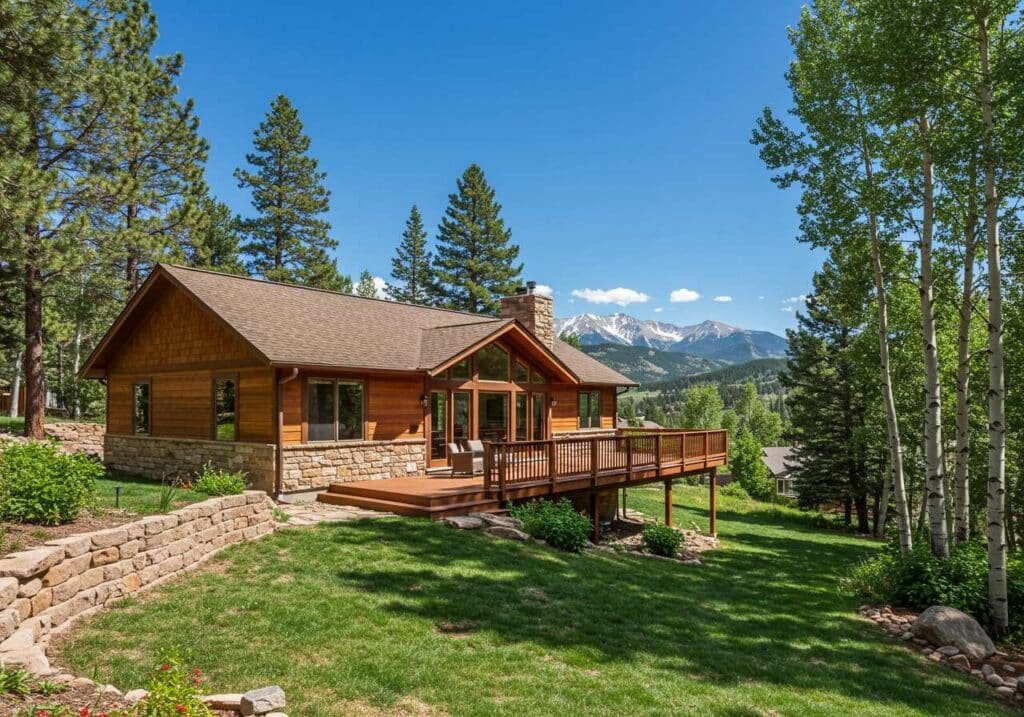
Designing and building a multi-level deck on a sloped yard along the Colorado Front Range presents complex engineering and aesthetic challenges. This nuanced process involves understanding soil conditions, regional weather extremes, and local building codes, all of which can vary dramatically between neighborhoods like Highlands Ranch, Littleton, and Castle Rock. Homeowners often struggle with drainage, structural stability, and maximizing usable outdoor space while maintaining compliance and curb appeal. This article will provide a deep dive into the technical aspects of designing safe, beautiful, and resilient multi-level decks tailored for the area’s unique terrain and climate, helping homeowners anticipate obstacles and make informed decisions for long-lasting enjoyment.
Mastering Water Management for Long-Lasting Decks on the Colorado Front Range
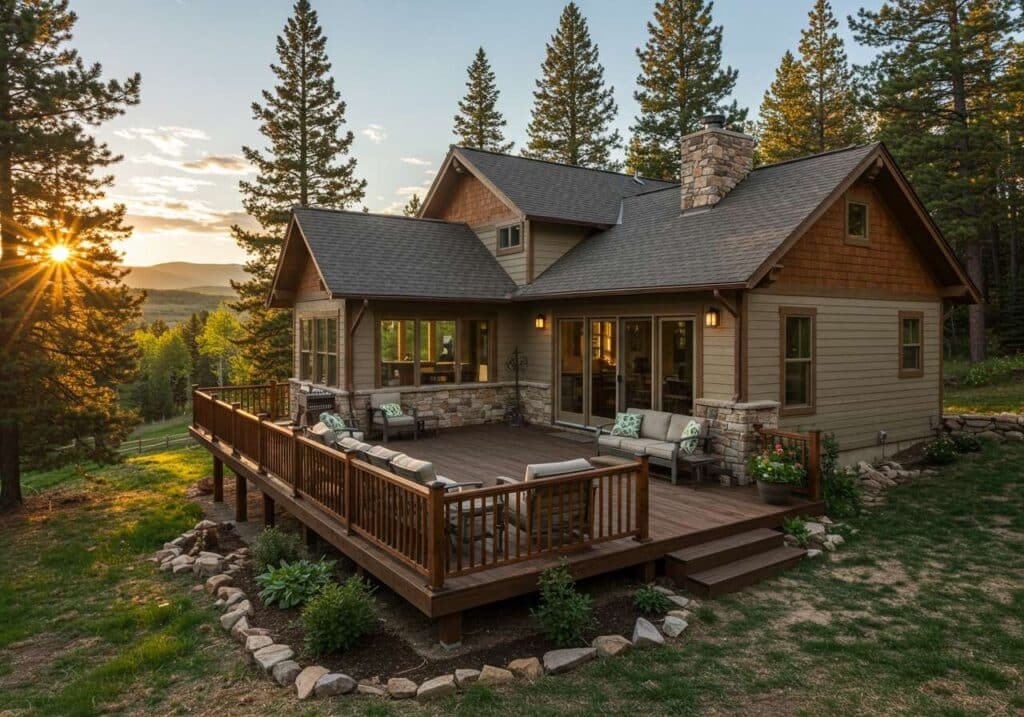
While many homeowners focus on choosing deck materials and styles, the real complexity of new deck installation along Colorado’s Front Range is robust water management. Unique local conditions—freeze-thaw cycles, sudden downpours, and heavy snowmelt—mean improper drainage can cause rapid deterioration, mold, and even structural failures. This article will dig deep into techniques like under-deck drainage systems, flashing details, and site-specific grading strategies. We’ll address nuanced questions such as how to manage runoff on sloped properties, comply with local codes, and select waterproofing materials that actually stand up to Colorado’s extremes. For homeowners, getting water management right from day one isn’t just about longevity—it’s about protecting a major investment and ensuring year-round safety and enjoyment.
Engineering Multi-Level Decks for Sloped Yards on the Colorado Front Range
Many Front Range homes—especially in areas like Highlands Ranch, Castle Rock, and Golden—are built on challenging sloped or uneven terrain, making standard deck installation far more complex. This article will explore the nuanced engineering and design strategies required to safely construct multi-level or terraced decks that maximize useable outdoor space, maintain structural integrity, and comply with strict Colorado building codes. Key issues include soil stability, custom foundation solutions (like caissons and piers), effective drainage, and blending aesthetics with practicality. For homeowners, understanding these challenges is vital to avoid costly surprises, ensure long-term safety, and fully realize their property’s outdoor potential in Colorado’s unique landscape.
Engineering Decks for High Winds on the Colorado Front Range: Design Strategies and Code Compliance
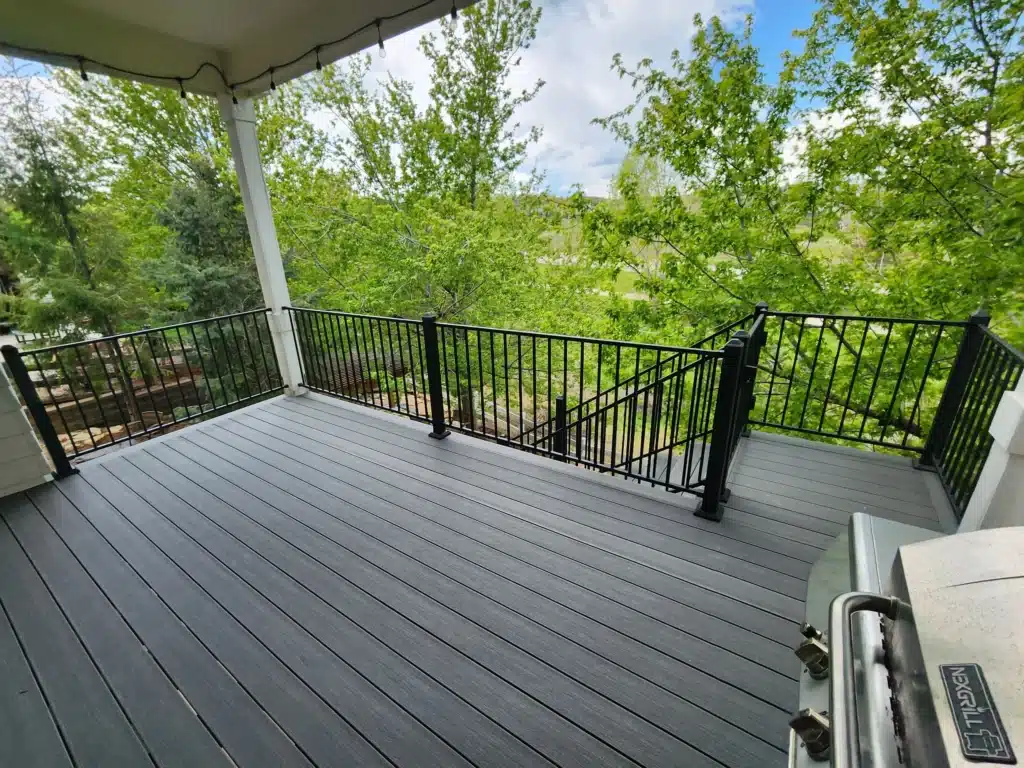
Building a safe, beautiful deck in Colorado’s Front Range involves much more than picking out your favorite wood or composite boards. With gusty conditions common from Highlands Ranch to Castle Rock and Parker, wind forces must be a primary part of your deck’s design. Curious how you can ensure your deck will stand strong against unpredictable weather—and avoid expensive mistakes? This guide covers the essentials of wind-resistant deck engineering and why code compliance matters for your home and peace of mind.