
Designing a Durable Deck in Littleton: Mastering Materials, Microclimates, and Permits

A focused, practitioner-level guide that synthesizes Littleton-specific climate science, local permitting practices, and material engineering to optimize deck lifespan and cost-effectiveness. The article will map common microclimates across Littleton neighborhoods (sun exposure, freeze-thaw frequency, prevailing winds, and shade trees), translate those conditions into quantitative criteria for board species and composite formulas, and compare fastening systems, ledger attachment details, and drainage strategies that mitigate rot and ice damage. It will also unpack Front Range permit timelines, typical HOA constraints, and inspection checkpoints, and present a lifecycle cost model plus seasonal maintenance schedule—actionable for homeowners and useful as a checklist for our free professional inspections.
Designing Durable Decks in Littleton: Materials, Codes, and Smart Cost Planning
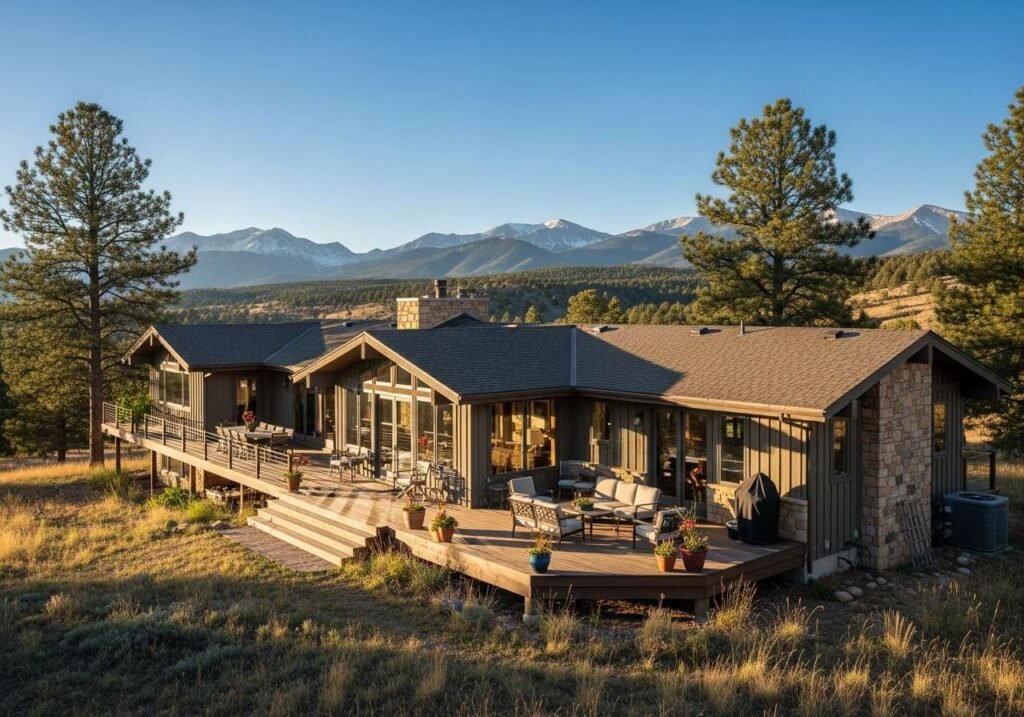
An actionable, research-driven guide that helps Littleton homeowners translate municipal codes, HOA rules, and alpine-front‑range climate realities into a resilient deck specification: comparing moisture‑tolerant materials (western red cedar, pressure‑treated pine, capped composites, aluminum), fastening and ledger flashing strategies to prevent freeze‑thaw and snow‑load failures, engineered joist and connection details sized for local snow drift patterns, and wildfire‑resistant design choices for defensible space. The article will include a calibrated lifecycle cost and carbon-accounting model, a decision matrix balancing upfront cost, maintenance frequency, and expected service life at 5,500–6,000 ft elevation, practical inspection checklists for pre‑permit assessments, a step‑by‑step Littleton permitting and inspection timeline, and homeowner-facing contract specifications and questions to vet contractors—enabling confident, code-compliant decisions that minimize long‑term risk and cost.
Designing Snow-Ready Decks in Littleton: Permits, Ledgers, and Materials for Lasting Performance

A technical, locally focused blueprint for homeowners and design-build contractors that translates Littleton’s permitting landscape into a step-by-step deck project plan—starting with the city’s permit triggers and eTRAKiT workflows, moving through structural design for Front Range snow and wind loads (ASCE 7 + local amendments), and ending with construction choices that mitigate freeze–thaw, UV exposure, and wildfire risk. The piece will include a practical ledger-attachment checklist for typical older Colorado homes, a decision matrix comparing pressure-treated wood, cedar, composite, and thermally-modified decking for longevity and maintenance in Littleton’s climate, guidance on rail and stair code details that commonly fail inspections, how to coordinate HOA setbacks and site-grading/drainage issues, an itemized cost-driver breakdown (materials, engineered connections, permitting, inspection fees, and timeline contingencies), and ready-to-use contractor vetting questions and inspection-ready punch lists to help homeowners secure compliant, long-lasting decks on the Colorado Front Range.
Choosing Decking Materials That Survive Littleton’s Sun, Snow, and Temperature Swings: A Homeowner’s Guide
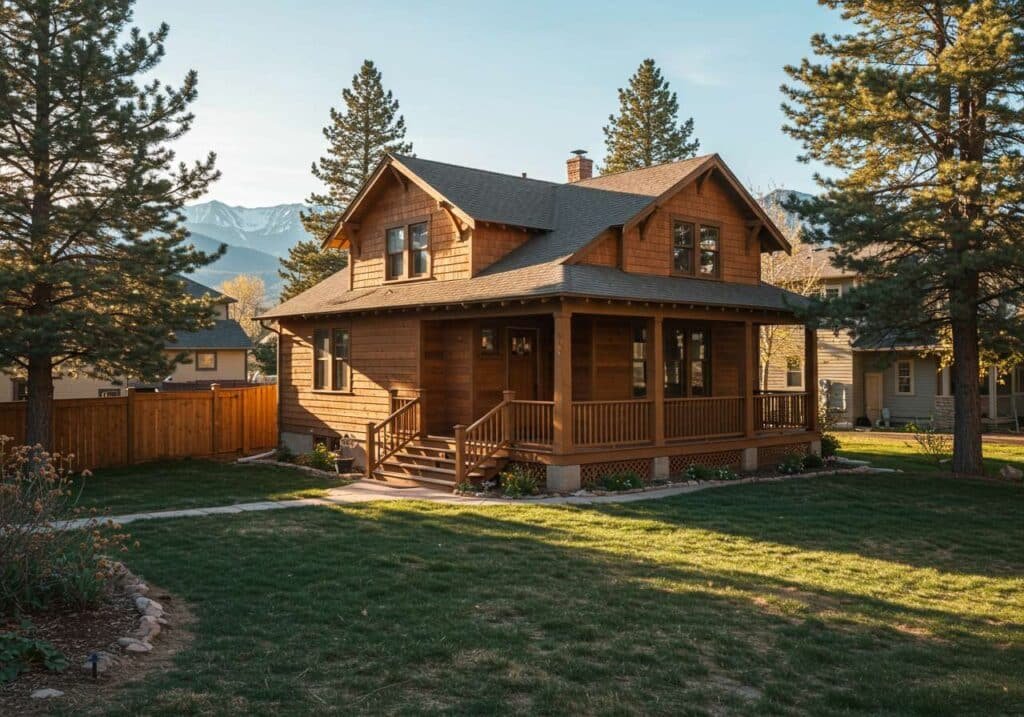
Selecting the right decking material in Littleton, Colorado isn’t just about budget or aesthetics—it’s a science-driven decision shaped by relentless UV exposure, dramatic freeze-thaw cycles, and rapid weather shifts that challenge even advanced products. Homeowners must weigh not only wood versus composite options but scrutinize how various finishes, treatments, and understructure choices impact longevity, color fastness, warping, and annual maintenance. This guide will explore which decking materials and installation techniques are proven to thrive locally, address common misconceptions, and answer nuanced questions like: What hidden costs emerge if you skip moisture barriers or install the wrong fasteners? Why do some boards fade or splinter prematurely here, despite glowing reviews elsewhere? With insights tailored to Littleton’s specific microclimate and the latest material technologies, this article will help homeowners invest wisely for long-term beauty and structural integrity.
Protecting Your Deck from Freeze-Thaw Damage in Littleton, Colorado: What Every Homeowner Should Know

Littleton’s unique climate, marked by relentless freeze-thaw cycles, presents complex challenges for deck design, materials, and long-term safety. This article will explore the nuanced science behind how moisture seeps into deck boards and framing, then expands and contracts with each temperature swing—quietly accelerating structural deterioration. We’ll examine the specific vulnerabilities of common materials like pressure-treated pine, cedar, and composites, discuss advanced construction techniques to mitigate damage, and answer pressing homeowner questions about inspection, maintenance, and local code compliance. Understanding these region-specific risks is crucial for anyone looking to build or preserve a safe, beautiful deck in the Colorado Front Range.
How Freeze-Thaw Cycles Impact Deck Safety and Longevity in Littleton

In Littleton, Colorado, homeowners face the unique challenge of freeze-thaw cycles that can silently undermine deck safety and longevity. This article will offer a deep dive into how fluctuating winter temperatures cause moisture to penetrate and expand within decking materials and structural supports, leading to hidden hazards like rot, warping, and fastener fatigue. We’ll explore the nuanced science behind these cycles, discuss advanced strategies—from vapor barriers and drainage solutions to choosing the right composite or treated wood—and share real-life examples from local projects. Understanding these complexities is crucial for those seeking a safe, long-lasting deck that can withstand Littleton’s punishing climate, prevent costly repairs, and maintain home value.
How Freeze-Thaw Cycles in Littleton Shorten Deck Lifespan and Raise Safety Risks

Navigating the relentless freeze-thaw cycles unique to Littleton, Colorado presents homeowners with complex challenges in deck longevity and safety. This in-depth guide will explore how recurring shifts between freezing nights and sunny afternoons quietly accelerate deterioration in deck boards, fasteners, and support structures, often creating hazards invisible to the untrained eye. We’ll dissect nuanced strategies—from selecting optimal materials like advanced composites and pressure-treated lumber to innovative design and drainage techniques—that mitigate these risks. Homeowners will learn how to anticipate, detect, and address hidden damage before it evolves into major structural or safety issues. Understanding these local climate-driven threats is crucial for anyone in Littleton seeking to make a durable, worry-free investment in their outdoor living space.
Decoding Littleton’s Deck Codes: Navigating Permits, Inspections, and Hidden Hazards

Building or replacing a deck in Littleton, Colorado is far more complex than just picking the right materials—homeowners must navigate a strict web of local codes, permitting processes, and ever-changing inspection requirements that differ from neighboring cities. This article will deeply examine the nuanced intersection between Littleton’s building regulations and the region’s unique climate challenges, including how overlooked details like proper ledger board attachment, approved fasteners, and inspection timing can mean the difference between years of safety and hidden, costly hazards. It will explore real-world scenarios where compliance issues led to structural failures, clarify what’s required for permits and code-compliant construction, and offer practical strategies for homeowners to avoid common pitfalls. For anyone planning a deck project, understanding these details is vital to protect your investment, ensure safety, and avoid project delays or legal headaches.
How Freeze-Thaw Cycles in Littleton Impact Deck Longevity and Safety
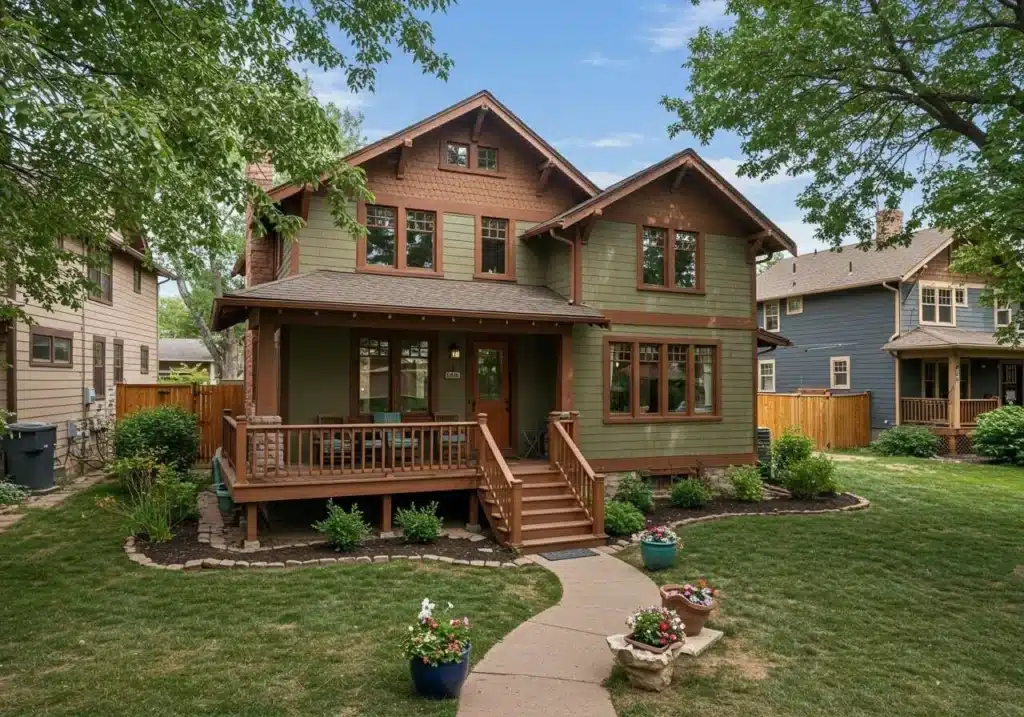
In Littleton, Colorado, decks endure relentless freeze-thaw cycles that can quietly accelerate deterioration and create hidden hazards. This article explores the intricate science behind freeze-thaw damage—how shifting moisture, expanding ice, and thermal stress affect different decking materials, fasteners, joists, and foundation options. We’ll examine why standard construction methods often fail in the local climate, spotlight advanced materials and installation techniques proven to resist cyclical temperature extremes, and answer pressing homeowner questions about ongoing maintenance, inspections, and early warning signs of compromised safety. Understanding these nuanced challenges equips Littleton homeowners to invest in decks that are both safer and built to last—an essential step in protecting your property and your peace of mind.
How to Select Deck Materials That Survive Littleton’s Sun, Snow, and Swings
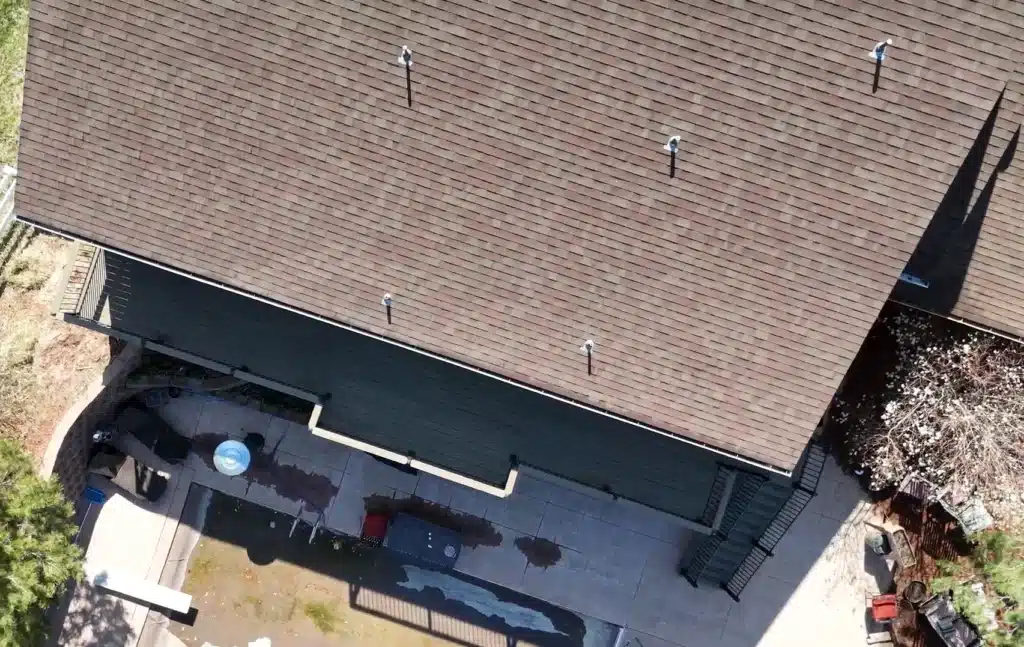
Choosing deck materials for homes in Littleton, Colorado, isn’t just about aesthetics—it’s a technical decision that must account for the area’s intense UV exposure, rapid freeze-thaw cycles, and sudden weather shifts. Homeowners face tough questions: Which materials stand up to summer’s punishing sun without fading or splintering? How do composite, hardwood, and pressure-treated options perform when snow piles up or moisture seeps in? This article will explore the nuanced durability, maintenance, and safety profiles of today’s top decking materials under Littleton’s unique climate conditions, helping homeowners avoid costly mistakes and ensure long-lasting outdoor living spaces.