
Building Decking Service Excellence: A Proven QA Framework for Colorado Front Range Contractors

This article will define a practical, evidence‑based quality assurance framework tailored to decking contractors serving the Colorado Front Range (Littleton, Centennial, Parker, Highlands Ranch, Golden, Aurora, Castle Rock). Rather than high‑level platitudes, it will specify measurable KPIs (lead response time, permit turnaround, punch‑list closure rate, call‑back frequency), climate‑adapted material and structural baselines (freeze‑thaw durability, UV/solar exposure ratings, snow‑load design margins, ledger/joist detailing), standardized client‑communication protocols and onboarding scripts, and safety/compliance checkpoints mapped to local municipal codes. Readers will get ready‑to‑use templates (inspection checklist, transparent pricing estimator, warranty and maintenance roadmap), a phased implementation plan for crew training and documentation, and short case studies demonstrating how these practices reduce rework, accelerate permitting, improve client satisfaction, and protect long‑term performance — all grounded in the operational realities of a small roofing/decking contractor with decades of field experience.
The Deck Contractor’s Operational Playbook: Service Excellence for Colorado Front Range Homes
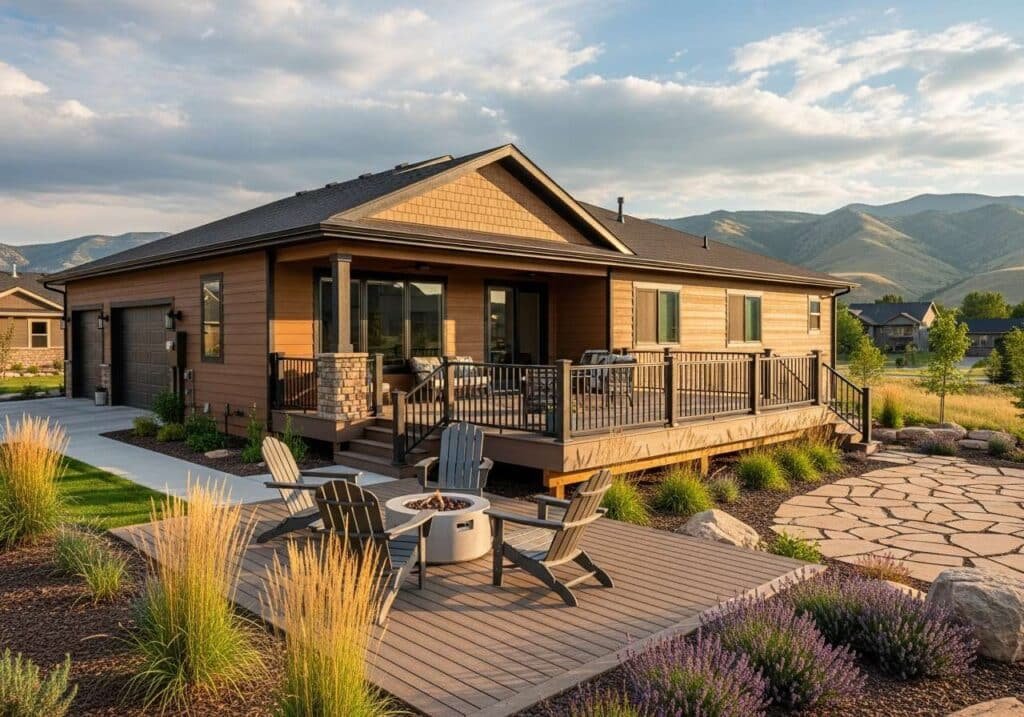
This article will lay out a concrete, operational playbook that decking contractors can implement to institutionalize measurable service excellence across pre-sale, installation and post-installation phases for Colorado Front Range homeowners. It will synthesize best practices into discrete components—an evidence-based pre-sale triage using free professional inspections, a materials- and detailing-matrix calibrated for Colorado’s freeze-thaw cycles and high-UV exposure, a milestone-linked quality-control checklist (ledger, joists, fasteners, railings, stairs) and a permitting/safety roadmap tailored to Littleton, Centennial, Parker, Highlands Ranch, Golden, Aurora and Castle Rock. The guide frames performance through specific KPIs and SLAs (inspection response time, first-time quality pass rate, punch-list closure time, warranty claim frequency, NPS) and explains how to operationalize them with digital documentation, standardized subcontractor vetting/training, transparent pricing templates, and lifecycle cost/warranty models that reduce homeowner risk. Practical templates, sample communications, and a local-code compliance checklist will show how disciplined processes convert trust into higher lead conversion and long-term deck performance.
A Data-Driven Playbook for Deck Excellence on Colorado’s Front Range
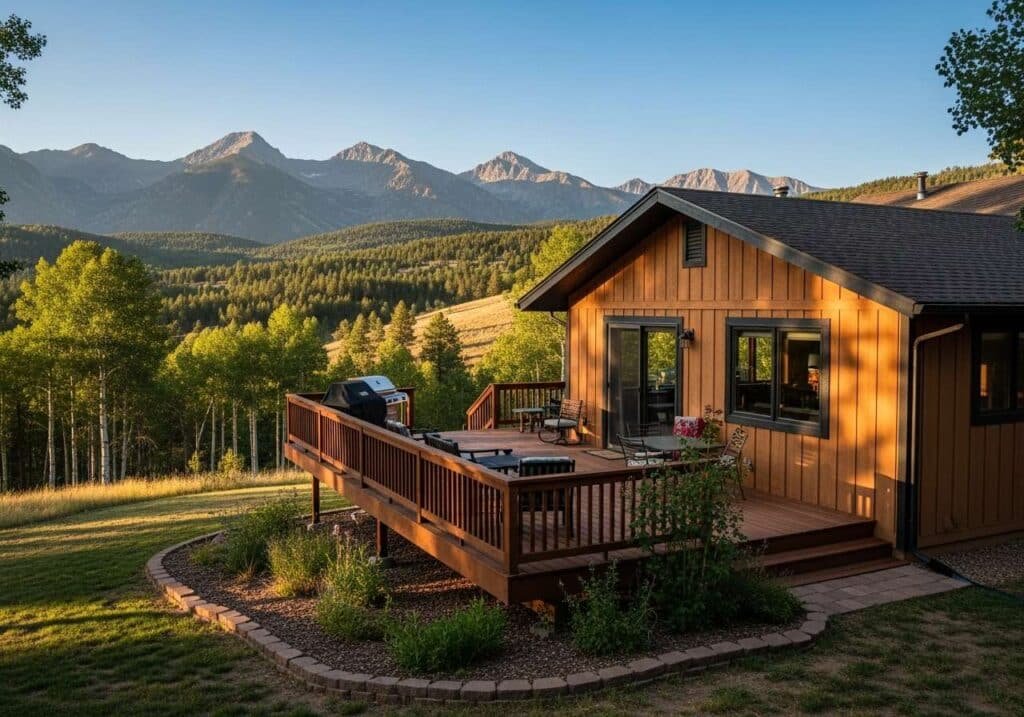
This article will define a prescriptive, measurable framework for ‘decking service excellence’ tailored to Colorado Front Range conditions—translating abstract best-practice themes (communication, craftsmanship, safety, client satisfaction, longevity) into concrete benchmarks, procedures, and contract language. It will propose a KPI set (respond-to-estimate time, estimate accuracy margin, punch-list closure within days, rework rate per 1000 sq ft, warranty-claim frequency) and technical acceptance criteria (ledger attachment torque and flashing detail standards, fastener corrosion classes, joist spacing tolerances, engineered snow-load calculations) paired with a sampling-based QA audit plan and training matrix (manufacturer certifications, OSHA, hands-on peer reviews). The piece will also map material-performance models against Front Range stressors (high UV, freeze–thaw cycles, low humidity, elevation effects on treated lumber and fastener galvanization), outline permit-and-inspection workflows specific to Front Range municipalities, and give homeowners prescriptive contract clauses and maintenance schedules that reduce lifecycle cost and dispute risk—illustrating each recommendation with short case examples drawn from a 30-year local practice and free inspection protocol to show how measurable service excellence is delivered and verified.
Standards-Driven Decking: The Decking Service Excellence Standard for the Colorado Front Range
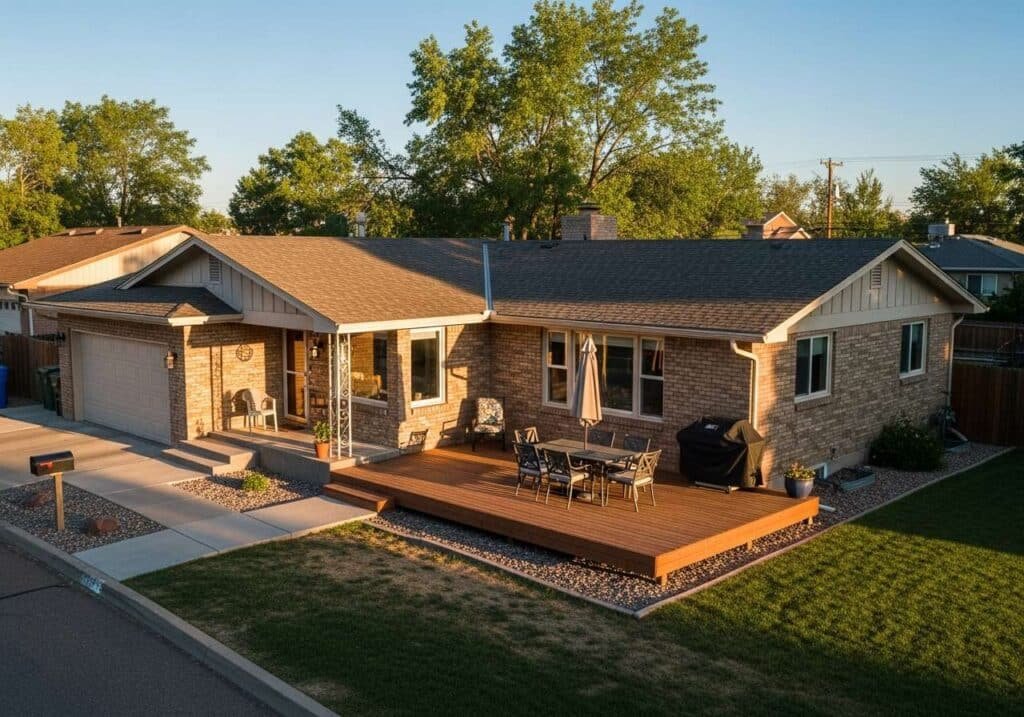
Propose a practical, measurable framework—the Decking Service Excellence Standard (DSES)—that contractors and homeowners can use to align expectations, reduce risk, and extend service life for decks across Colorado’s Front Range (Littleton, Centennial, Parker, Highlands Ranch, Golden, Aurora, Castle Rock). The guide will translate abstract quality principles into prescriptive protocols: a pre‑bid climate and site-risk survey (snow load mapping, sun exposure, drainage paths), a materials‑selection matrix tied to local freeze‑thaw and UV exposure, fastening and ledger‑attachment schedules keyed to code and tested shear values, and a QA verification cascade (design sign‑off, mid‑build third‑party inspection, post‑build deflection and moisture testing). It will also define client‑facing service standards—SLA language for response times, transparent change‑order workflows, standardized handover documentation including maintenance calendars and warranty traceability—and measurable KPIs (defect‑rate per 100 projects, average time‑to‑close service tickets, NPS and maintenance uptake). Finally, the playbook will include sample contract clauses, inspection templates, lifecycle cost models, and a continuous‑improvement loop that ties field data back into crew training and procurement decisions, making the DSES a practical blueprint for delivering traceable, long‑term deck performance in the Front Range context.
A Proven Framework for Decking Service Excellence in Colorado’s Front Range

This article will lay out a concrete, measurable framework for delivering and documenting ‘decking service excellence’ tailored to the Colorado Front Range: a set of KPIs, inspection protocols, and client-communication standards that translate craftsmanship and safety compliance into verifiable long-term performance. It will define specific metrics (e.g., lifecycle cost per sq. ft., defect-recurrence rate, ledger/joist inspection pass rate, fastening-integrity score, moisture-threshold triggers, average service-response time, warranty-claim frequency, and client NPS) and show how to collect them through standardized inspection checklists, moisture/deflection monitoring, and digital dashboards. The guide will also map those measures to local realities—snow and freeze-thaw cycles, high UV exposure, altitude effects on materials, and Front Range code checkpoints—and provide reproducible deliverables: an inspection cadence, predictive maintenance schedule, technician training hours, communication templates for status updates and change orders, and contract/warranty clauses that protect homeowners and contractors alike. Practical case examples and sample templates will enable a Colorado homeowner or contractor to evaluate vendors, set expectations up front, and turn a one-time deck project into a documented, low-risk 20+ year asset.
Measuring Decking Service Excellence: KPIs, Quality Processes, and Earning Client Trust in Colorado
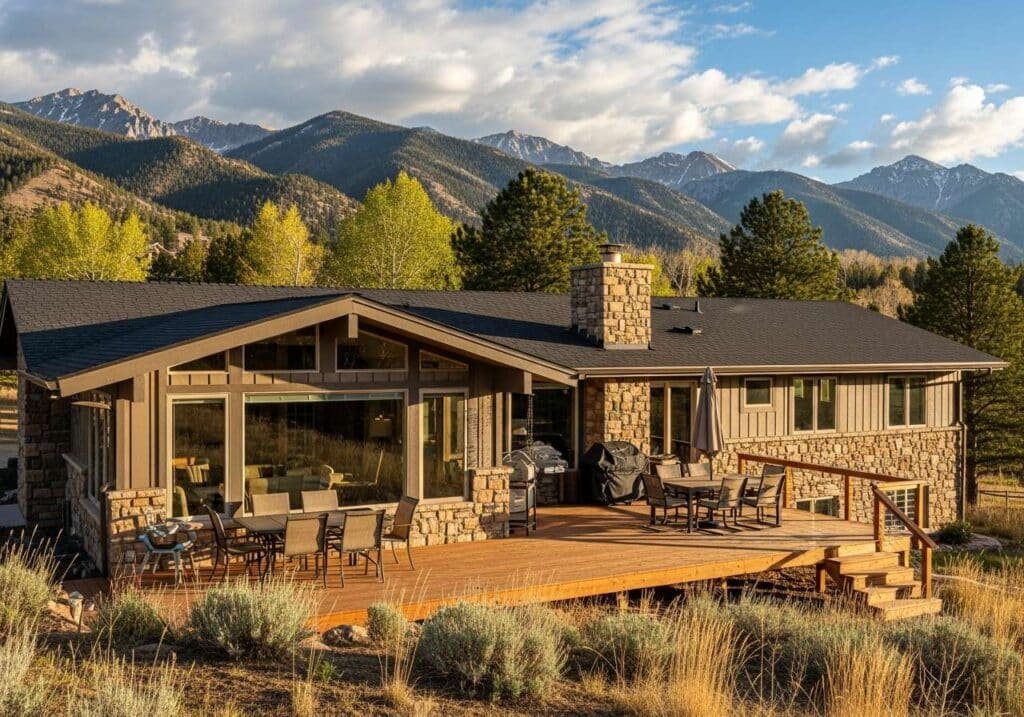
This piece proposes a rigorous, operational playbook for elevating decking contractors from competent tradespeople to demonstrable service leaders by defining and measuring cross-cutting KPIs across communication, craftsmanship, safety compliance, client satisfaction, and long-term performance. It will prescribe specific, auditable metrics (e.g., lead-to-proposal time, defect density per 1,000 board-feet, onsite safety deviation rate, NPS and warranty claim frequency), standardized inspection and documentation protocols aligned with Colorado Front Range realities (snow loads, freeze–thaw cycles, local permitting and ledger attachment standards), and a tiered quality-assurance workflow that ties technician training, materials selection, and corrective actions to warranty and lifecycle-cost models. The article will also provide reproducible templates — intake scripts, photo-based inspection checklists, compliance-ready permit submittals, and client communication cadences — plus a method for continuous improvement using monthly scorecards and case-study examples that translate metrics into selling points for high-intent homeowners seeking reliable, locally attested deck solutions.
Benchmarks for Decking Service Excellence: Setting Measurable Standards Across the Colorado Front Range
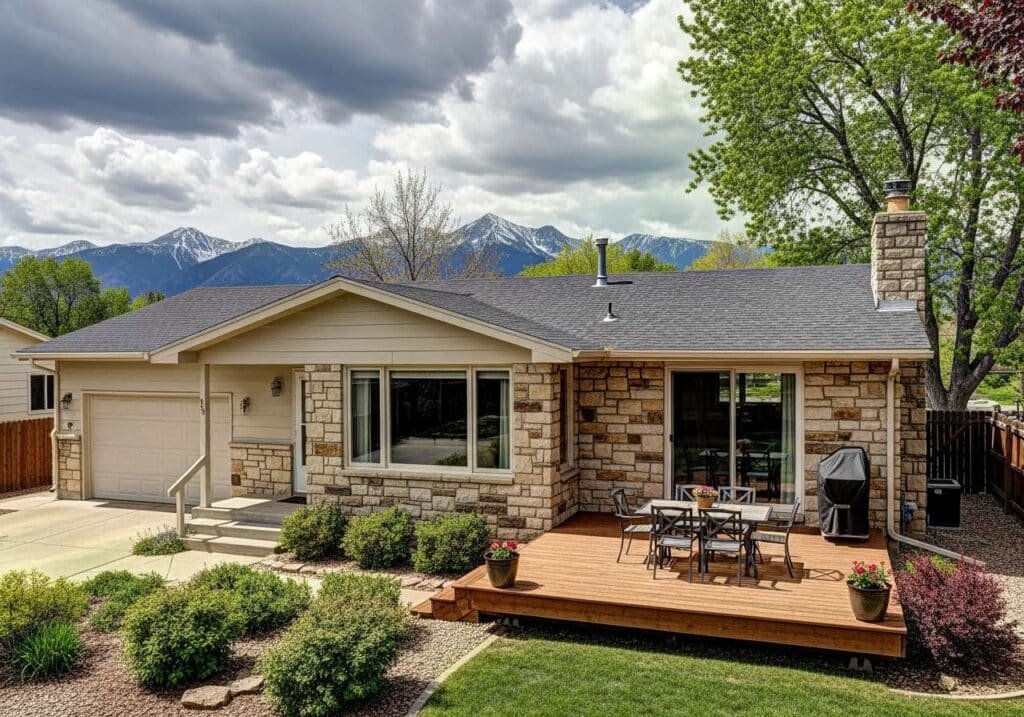
This article will define a practical, measurable framework that both homeowners and contractors can use to evaluate and deliver ‘service excellence’ for decks across the Colorado Front Range (Littleton, Centennial, Parker, Highlands Ranch, Golden, Aurora, Castle Rock). Rather than high-level platitudes, it lays out specific KPIs, tolerances, and processes — e.g., response SLAs for pre-construction quotes and change orders, a 12-point on-site quality checklist (ledger flashing, joist spacing, fastener type and spacing, board camber limits, railing attachment loads), permit and inspection pathways by municipality, OSHA and local code compliance steps, snow-load and freeze-thaw material performance thresholds, lifecycle cost and warranty language to guarantee long-term performance, and a client-satisfaction protocol (post-installation NPS, scheduled maintenance inspections, and clear dispute-resolution terms). The guide will include sample templates (inspection checklist, SLA, warranty summary), recommended material-performance benchmarks for Front Range climate, and an implementation roadmap contractors can adopt immediately — with homeowner-facing questions to verify standards during contractor selection. It will close with how Griffin Decks & Covers’ 30+ years of Colorado experience applies these benchmarks in free professional inspections and proposals.
A Performance-Driven Decking Service Framework for Colorado’s Front Range: Measurable Excellence for Contractors & Homeowners
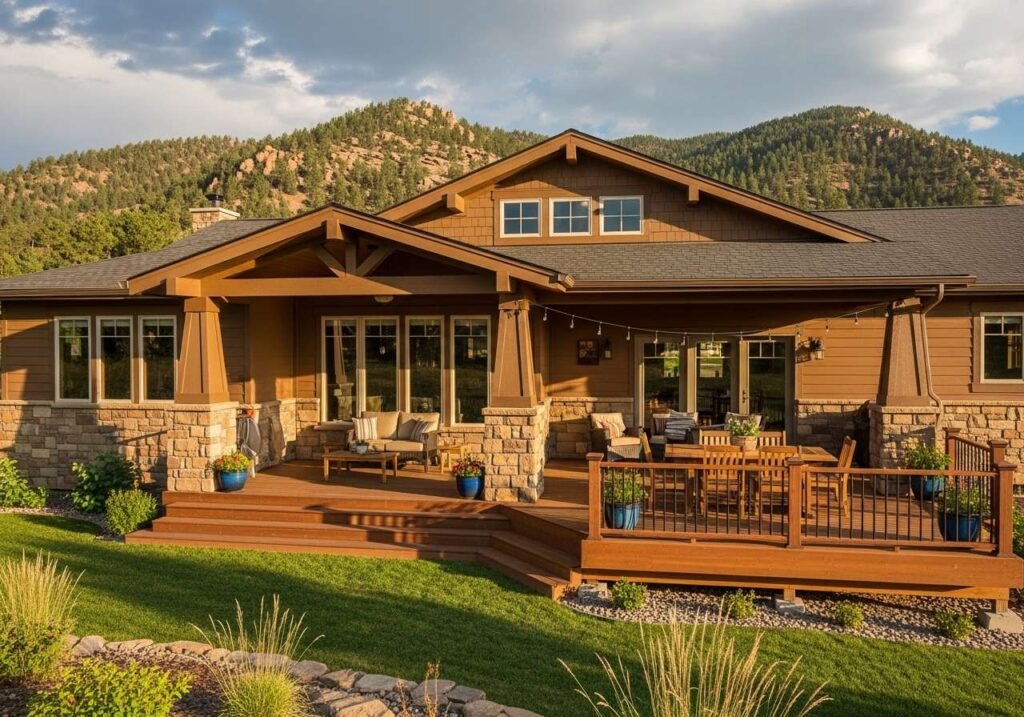
This article will lay out a rigorous, actionable framework for decking contractors and homeowners that translates abstract “service excellence” into measurable practices tailored to Colorado’s Front Range climate and regulatory environment. It will define a compact set of operational KPIs (project cycle time, defect density, on-time communication rate, warranty claim frequency, lifecycle cost per square foot) and pair them with a technical QA checklist (ledger flashing, joist spacing, fastener schedules, snow-load detailing) mapped to local building codes and altitude-driven material performance (freeze–thaw tolerance, UV degradation, moisture migration). The guide will show how to embed safety and compliance—OSHA training, local inspection milestones, and permit-tracking—into daily workflows, create supplier/subcontractor scorecards, and use structured client-touch protocols (preconstruction walkthroughs, progress photos with geotags, digital sign-offs) that reduce disputes and increase perceived value. It will also provide reproducible templates: a pre-bid risk assessment, post-installation maintenance plan tied to warranty terms, NPS-based satisfaction surveys, and a simple lifecycle-cost model that helps homeowners compare composite vs. wood decisions for long-term performance. Throughout, the piece will emphasize practical implementation steps for local contractors (templates, timing, and staffing recommendations) and trust-building practices—like free professional inspections and documented maintenance schedules—that drive measurable improvements in client satisfaction and deck longevity.
Building Trust and Excellence: How Deck Contractors Can Integrate Performance-Based Contracts, Predictive Maintenance, and Transparent Communication
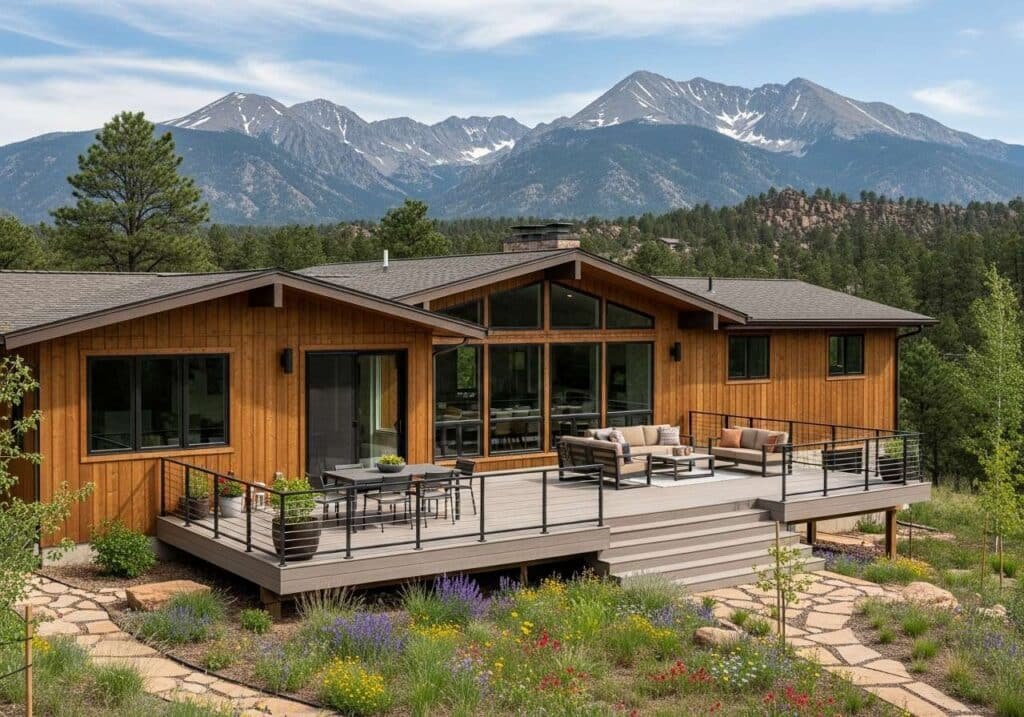
This article will present a systems-level framework for ‘Decking Service Excellence’ that translates abstract quality ideals into operational standards: measurable KPIs (response time, defect-rate, lifecycle cost per square foot, and NPS) tied to performance-based contracts; a risk-based inspection cadence that combines scheduled professional inspections with sensor-enabled moisture and structural monitoring; material-selection protocols and accelerated-weathering benchmarks calibrated for the Colorado Front Range freeze–thaw and UV exposure; standardized safety and permitting checklists aligned with local building codes and insurance requirements; and a client-facing documentation and communication protocol (digital portals, photo logs, and explicit maintenance plans) that reduces liability, improves satisfaction, and enables continuous improvement. The piece will include concrete example metrics, sample contract clauses (warranty, remediation timelines), and a step‑by‑step implementation roadmap for small-to-mid deck contractors seeking to upgrade service quality while controlling cost and regulatory risk.
A Risk-Based, Client-Centered Approach to Decking Excellence on Colorado’s Front Range
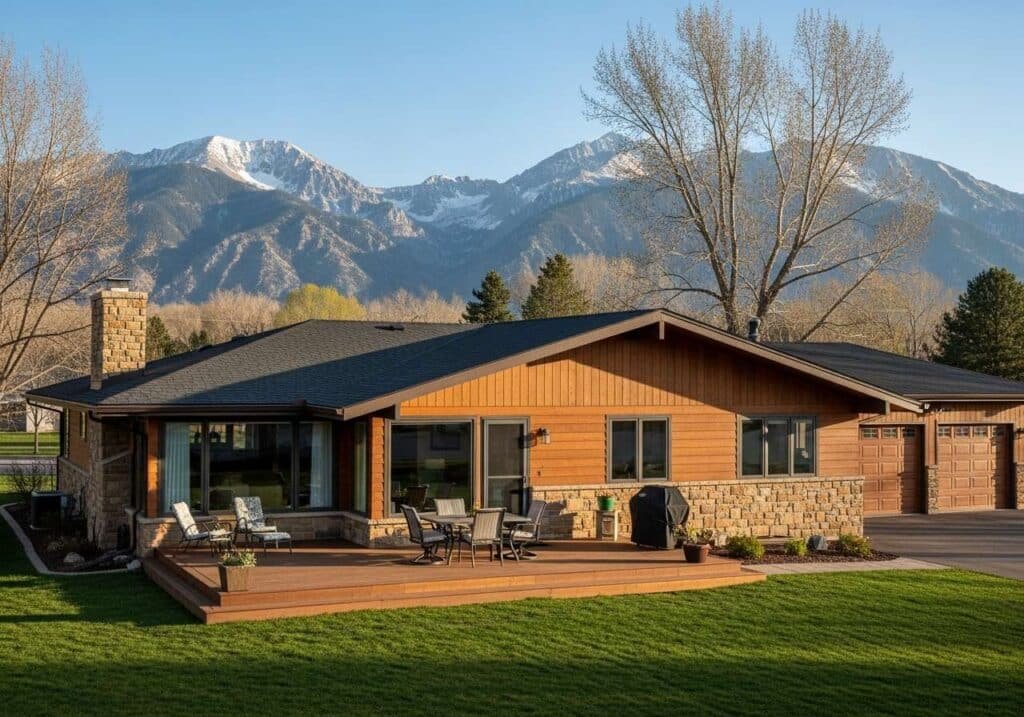
This article will lay out a prescriptive, measurable model for delivering exceptional decking services across the Front Range (Littleton through Castle Rock) by combining climate‑informed predictive maintenance, a local-code compliance matrix, and client‑centric communication protocols. It will define specific inspection triggers and intervals tied to Colorado’s freeze–thaw cycles and snow‑load exposures, a prioritized repairs vs. replacement decision tree (including ledger flashing, joist rot, and railing integrity), and a standardized permit-and-insurance checklist for each municipality. The piece will also specify operational KPIs—response time, first‑visit diagnostic accuracy, warranty claim rate, and Net Promoter Score—and describe digital documentation and transparent pricing practices that increase safety, reduce lifecycle costs, and build trust with homeowners.