
A Systems Approach to Measurable Service Excellence in Residential Decking Projects
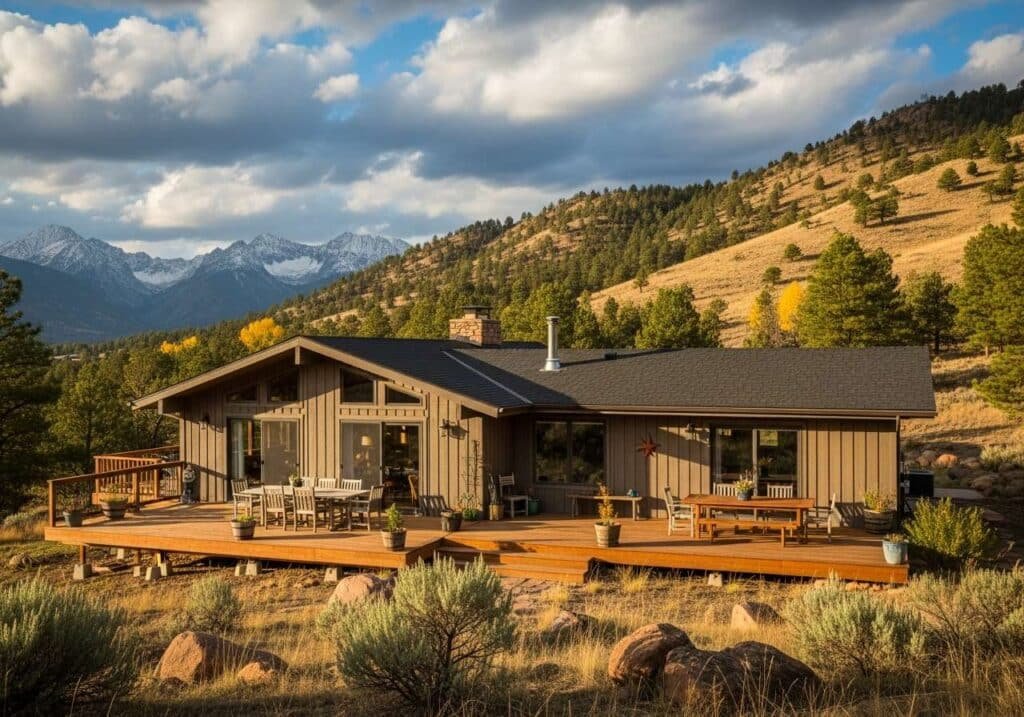
This article will define a systems-based framework for delivering demonstrable decking service excellence—translating abstract quality ideals into measurable protocols for communication, craftsmanship, safety compliance, and long-term performance. It will map each phase of a deck project (site survey, design, permitting, construction, commissioning, and post‑install maintenance) to concrete KPIs—response time, defect density, ledger attachment pull-test results, joist deflection limits, and customer satisfaction indices—showing how statistical process control and continuous-improvement loops reduce rework and warranty claims. The piece will integrate risk-based regulatory compliance (IRC and local Colorado Front Range snow-load/freeze‑thaw adaptations), materials life‑cycle analysis, digital documentation standards (photo logs, as-built BIM-lite records, and e-signature change orders), and crew training benchmarks tied to performance-based incentives. Readers will get an implementable blueprint—checklists, sample scorecards, and a phased rollout plan—to operationalize trust-building practices that lower lifecycle costs and create predictable, sale‑ready outcomes for homeowners across the Front Range.
Mastering 45-Degree Deck Board Installation: A Guide for Colorado Homeowners
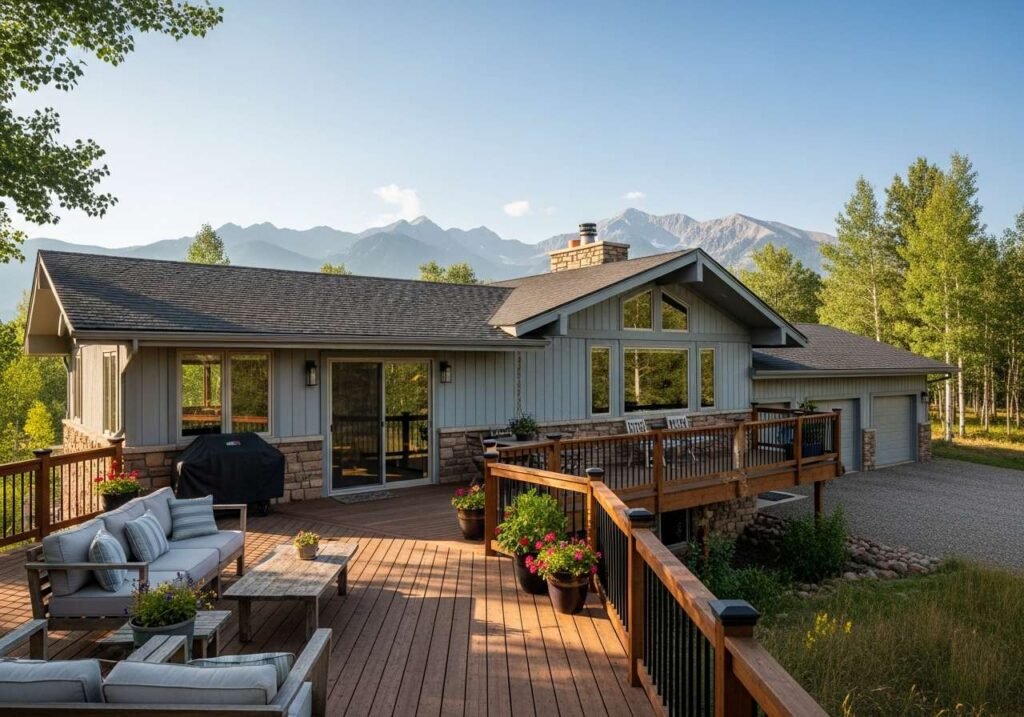
Installing deck boards at a 45-degree angle is more than just an aesthetic choice; it enhances the structural integrity and visual appeal of your deck. This nuanced technique involves precise planning and execution, requiring a keen understanding of the interplay between angles and the natural flow of space. Homeowners often grapple with questions about the best practices for cutting and securing boards, the impact on material costs, and the potential for increased labor. Understanding these complexities is crucial for creating a deck that not only stands out visually but also withstands the test of time. This guide will explore the intricacies of angled deck board installation, offering insights into the benefits and challenges, and why it’s a worthy investment for your Colorado home.
Why Slope, Drainage, and Waterproofing Matter for Deck Longevity in the Colorado Front Range
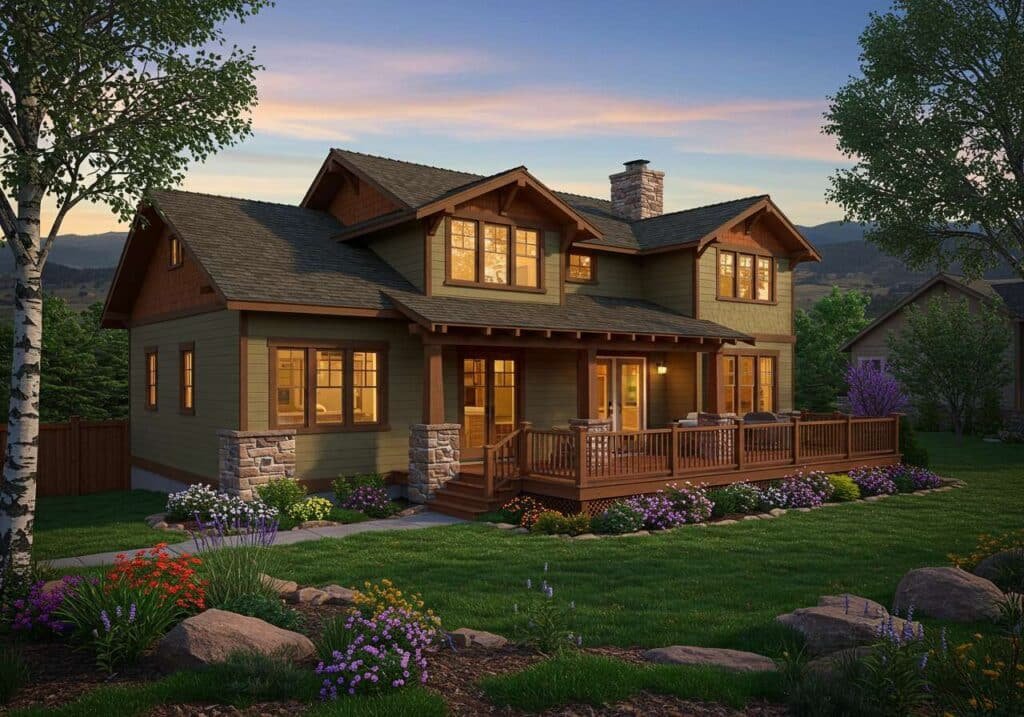
Many homeowners overlook the hidden engineering behind decks, but in the Colorado Front Range, the nuances of slope grading, drainage planning, and advanced waterproofing can make or break a deck’s lifespan. This article will unravel the complex interplay between local soil conditions, erratic weather cycles, and innovative water management systems—from under-deck drainage membranes to proper ledger flashing. We’ll address the most common failure points, local code quirks, and the decision-making process that separates quick fixes from lasting solutions. For homeowners, understanding these often-invisible aspects is crucial not only for immediate safety and aesthetics, but for long-term investment protection in Colorado’s challenging environment.
Engineering Safe, Long-Lasting Deck Foundations on Colorado’s Challenging Terrain
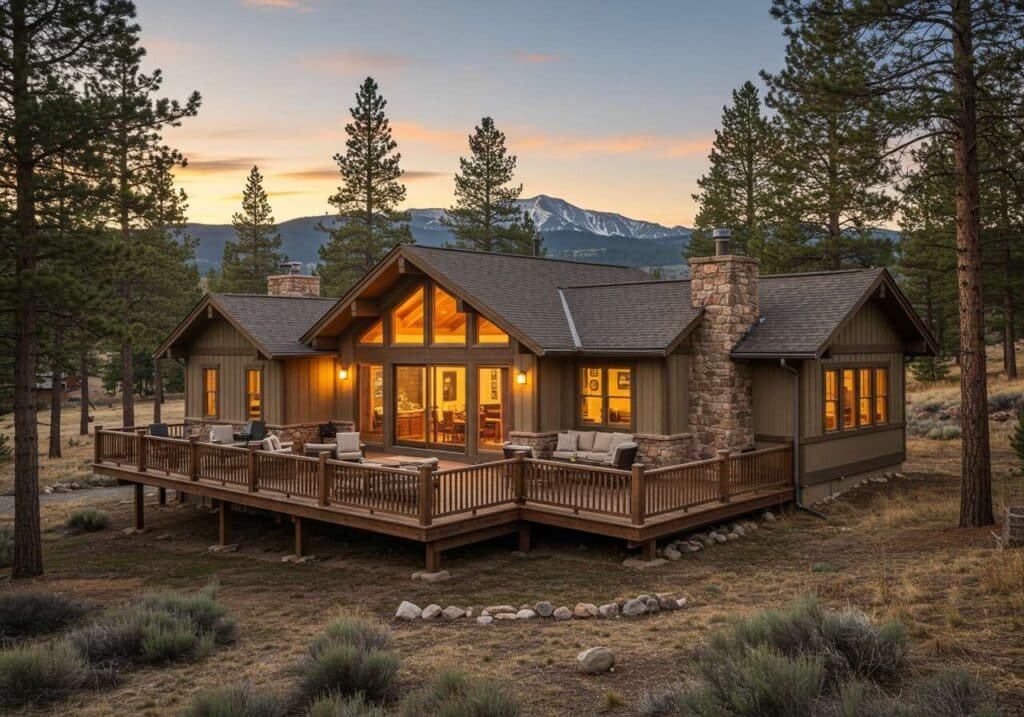
Building a deck on steep slopes or expansive, clay-heavy soils in the Colorado Front Range poses unique engineering challenges that go far beyond standard deck design. Homeowners often wonder: how can a deck foundation stay stable on ground that swells, shrinks, or slides with the seasons? This article will guide readers through advanced foundation strategies, like helical piers and reinforced footings, and examine the importance of soil testing, proper drainage, and local code requirements. It will address why shortcuts here can lead to costly structural failures—and how professional expertise ensures safety, longevity, and peace of mind for families living on Colorado’s dramatic terrain.
Engineering Safe Deck Foundations for Steep Yards and Unstable Soils in Colorado
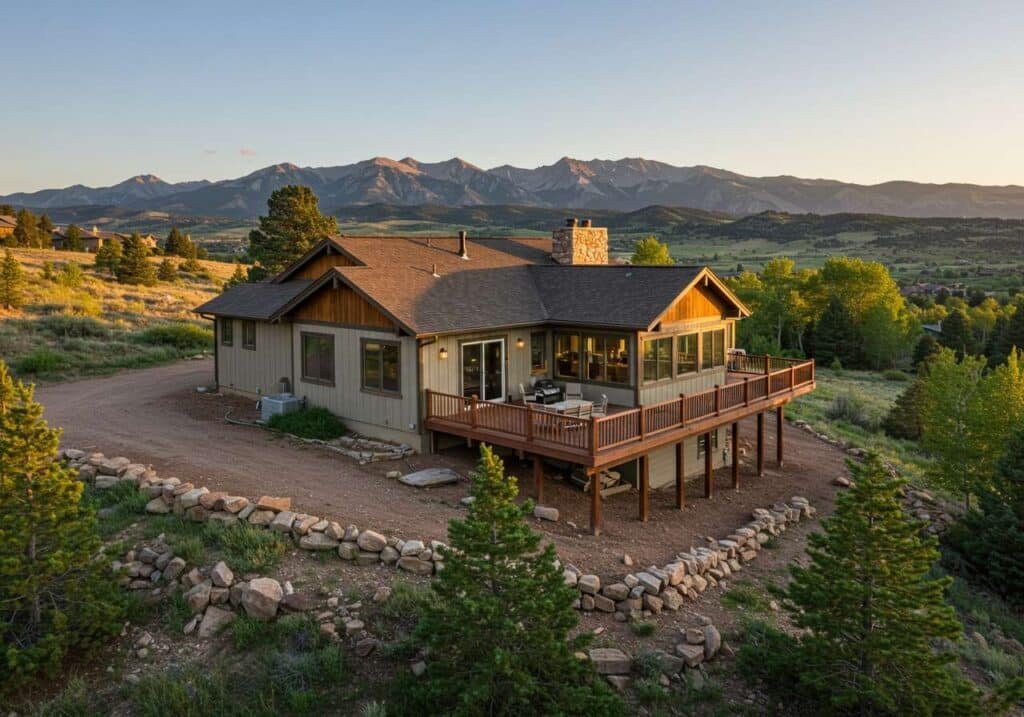
Many homeowners across the Colorado Front Range, particularly in foothill communities like Castle Rock or Golden, face the complex challenge of building decks on sloped lots and unstable soils. This article will explore the nuanced engineering and construction strategies—like deep footings, pier systems, and drainage solutions—required to ensure deck safety and longevity on challenging terrain. We’ll address common questions about soil movement, frost heave, and code requirements unique to our region, revealing why standard deck designs often fail here. For homeowners, understanding these site-specific foundation techniques is critical to avoiding costly structural failures and ensuring their outdoor investment stands strong for decades.
Fire-Resistant Deck Materials: Choosing Wisely for Colorado’s Front Range Homes
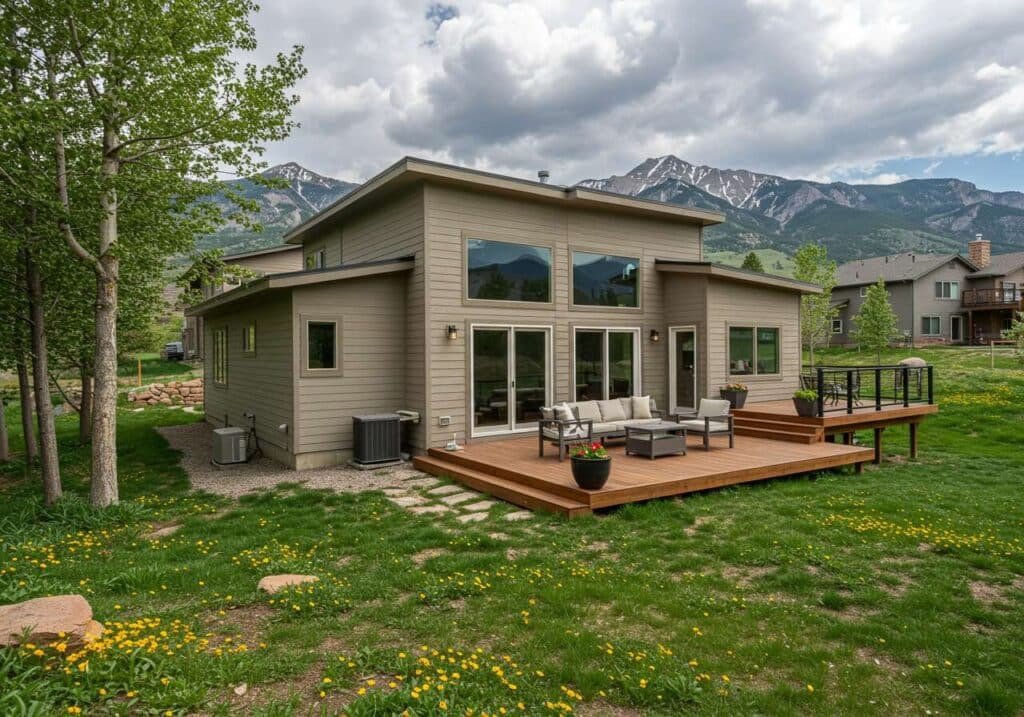
Selecting the right fire-resistant decking materials is a nuanced process for Colorado Front Range homeowners, where increasing wildfire risks and local building codes create a unique set of challenges. This guide will explore the scientific differences between composite, treated wood, and new-generation mineral-based boards, examine the trade-offs between cost, aesthetics, and long-term resilience, and address how evolving municipal codes impact your installation choices. We’ll also dive into how microclimates—from pine forests in Castle Rock to arid slopes near Golden—should inform your materials and design. Homeowners will learn what questions to ask, which certifications matter, and why the cheapest option can become the priciest mistake when fire hazards are a real threat.
How to Choose Decking Materials That Withstand Colorado’s Wild Weather Swings
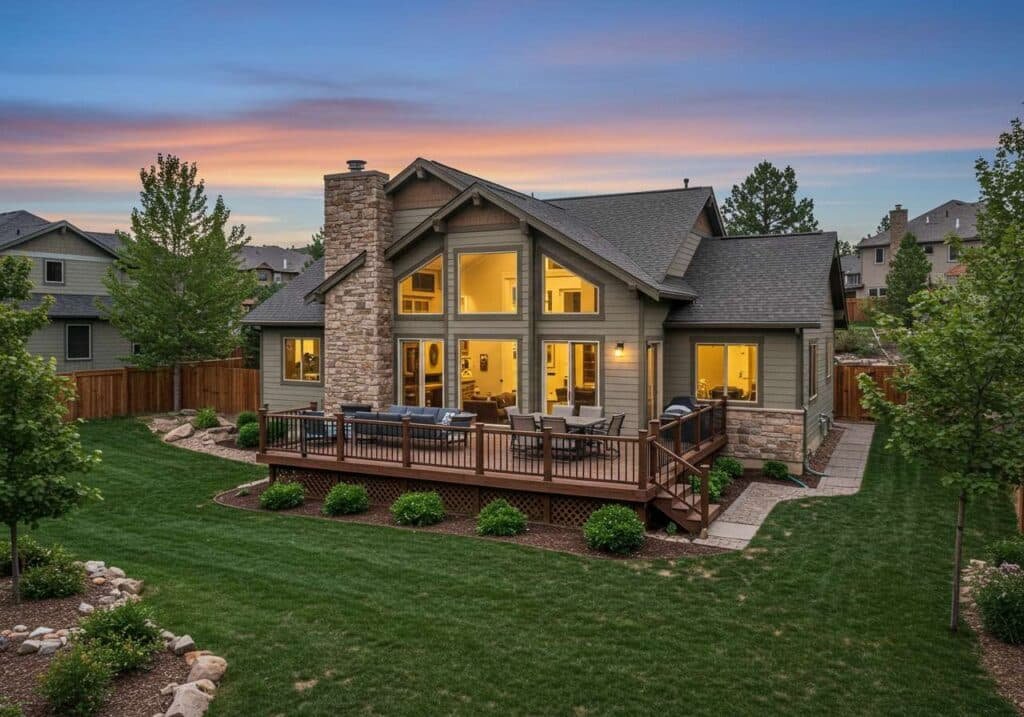
Selecting decking materials for properties along the Colorado Front Range presents unique challenges due to rapid temperature changes, intense sun, snow loads, and the region’s notorious freeze-thaw cycles. This article will dive deep into the science behind material durability, exploring why some popular options—like pressure-treated wood or standard composites—often underperform in Colorado, and how advanced composites, PVC, and new hybrid technologies rise to the challenge. We’ll address nuanced homeowner questions about color fading, warping, lifetime costs, maintenance frequency, and specific product recommendations best suited to Littleton, Highlands Ranch, Golden, Castle Rock, and neighboring communities. This guide is essential for anyone seeking a deck that not only looks great but lasts for decades in our unpredictable climate.
How to Design Wildfire-Resistant Decks for Colorado’s Front Range
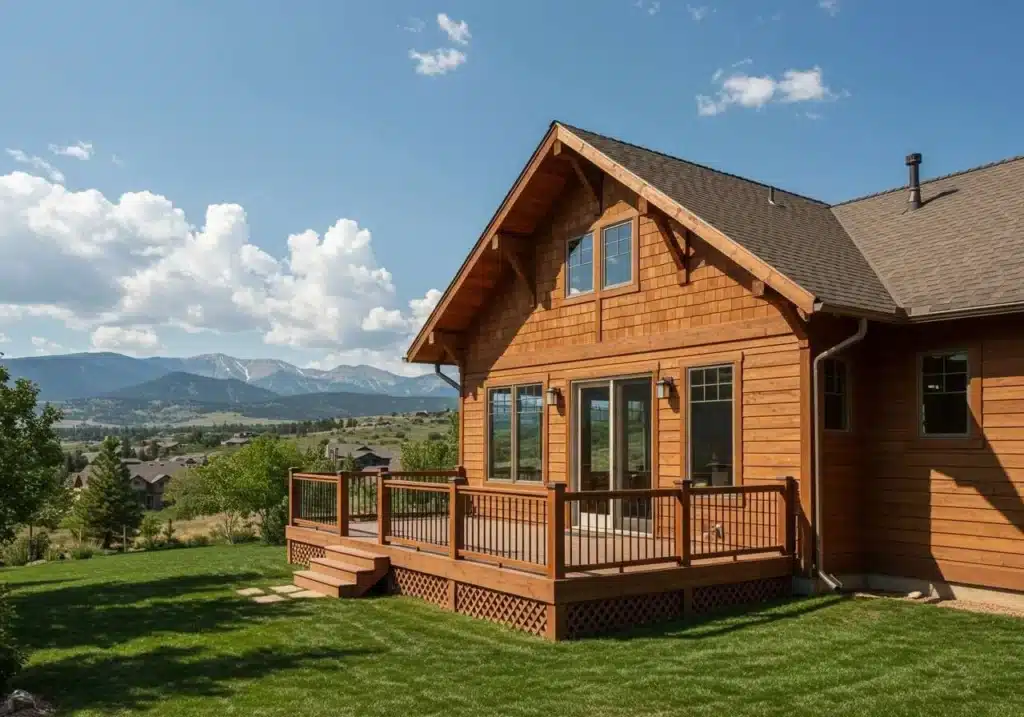
As wildfire seasons grow longer and more severe, homeowners across Colorado’s Front Range face tough decisions about protecting their outdoor spaces. This in-depth guide explores the complex interplay between local building codes, innovative fire-rated materials, and defensible space strategies specifically suited to areas like Littleton, Parker, and Castle Rock. We’ll address nuanced questions such as how to select Class A fire-rated decking, which construction details (like metal flashing or skirting) make a real difference, and the trade-offs between composite, metal, and treated wood options. By examining local wildfire risk maps, insurance requirements, and practical case studies from the Front Range, this article will empower homeowners to make informed, future-proof choices—balancing aesthetics, durability, and peace of mind in a fire-prone landscape.
Mitigating Frost Heave: Advanced Deck Footing Solutions for Colorado’s Front Range
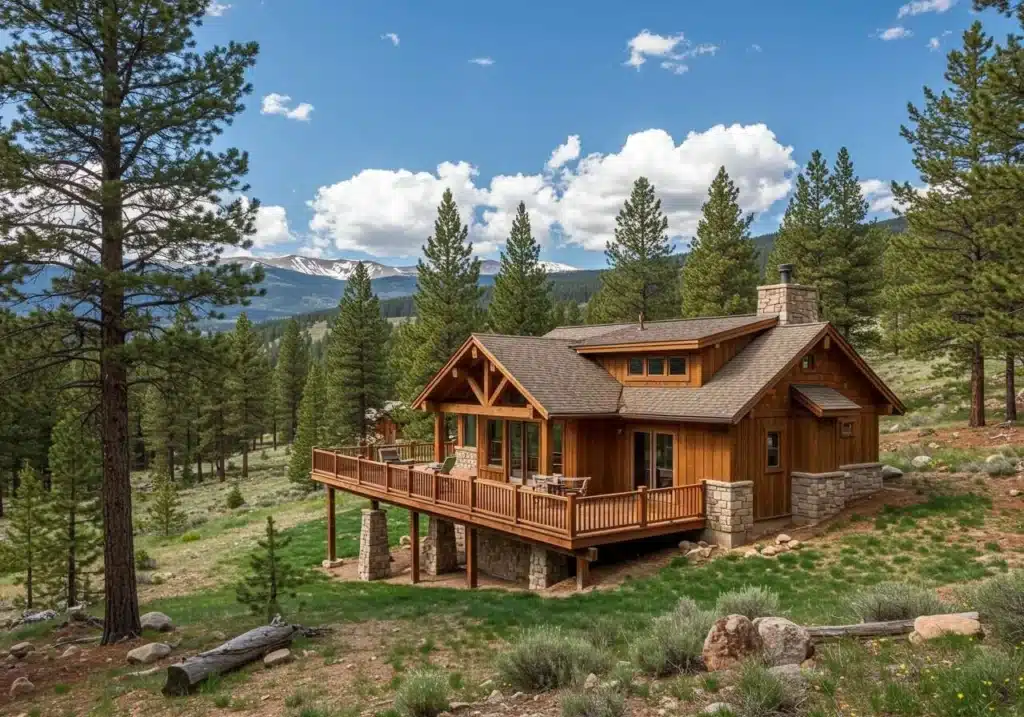
Have you ever wondered why some decks along Colorado’s Front Range seem to shift, crack, or become uneven after just a few winters? The culprit is often frost heave—the natural, yet destructive, effect of our region’s freeze-thaw cycles on deck footings. If you’re a homeowner in Parker, Castle Rock, Highlands Ranch, Littleton, or surrounding areas, understanding how to prevent frost heave is vital to protecting your deck investment.