
A Risk-Based Inspection Framework for Colorado Front Range Decks: Freeze–Thaw, Rot, and Repairs

This article will present a practical, data-driven inspection and maintenance protocol tailored to Front Range microclimates that translates climate exposure (freeze–thaw cycles, seasonal snow loads, summer aridity and monsoon events) into a prioritized risk score for each deck element (ledger/flashing, joists/fasteners, footings/frost heave, decking/railings/stairs). It will walk readers through specific non‑destructive assessment methods—moisture metering thresholds, targeted thermal imaging, endoscopic ledger checks, and corrosion testing—paired with a seasonal inspection calendar (post‑thaw structural check, mid‑summer UV/fastener review, pre‑winter snow‑load and drainage verification). The piece will also introduce a simple triage matrix that ranks recommended interventions by immediate safety risk, cost-to-repair, and expected lifespan extension (including composite vs. pressure‑treated lifecycle comparisons for Front Range exposures), and it will flag common permit triggers and building‑code pitfalls homeowners should know before work begins. Practical outputs will include sample pass/fail thresholds, estimated local cost bands for urgent vs. deferred repairs, and guidance on when to schedule a free professional inspection so homeowners can turn inspection data into a defensible maintenance budget and timeline.
The Front Range Deck Owner’s Seasonal Plan: Prioritized Inspections, Safety, and Smart Repairs
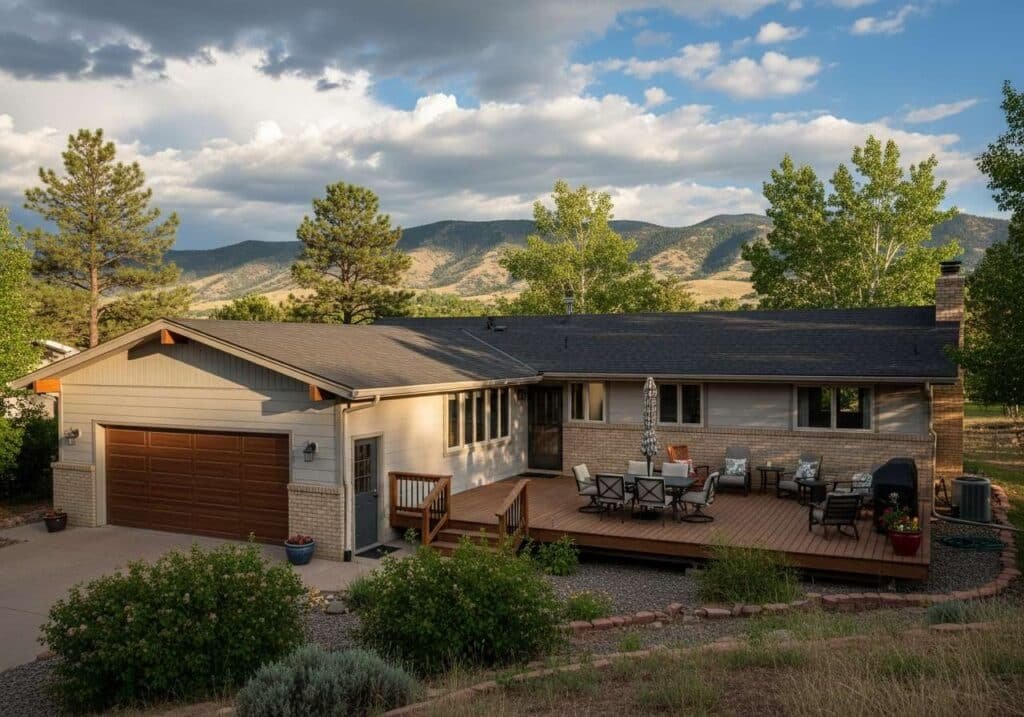
This article will present a rigorously prioritized, season-by-season inspection and intervention plan tailored to Colorado’s Front Range (Littleton, Centennial, Parker, Highlands Ranch, Golden, Aurora, Castle Rock). It will move beyond one-size-fits-all checklists to offer a risk-based decision matrix that ranks components (ledgers, joist ends, railings, stairs, fasteners, flashing, decking) by failure probability and consequence under local freeze–thaw, snow-load, and UV cycles; prescribe specific non‑destructive tests (moisture meters, targeted probing, IR imaging) and acceptance thresholds; and map out repair tactics (ledger flashing upgrades, joist sistering, stainless fasteners, selective replacement vs full deck replacement) tied to cost bands and realistic timelines. The guide will also flag permit triggers and common local code pitfalls, provide a seasonal maintenance calendar with DIY vs. professional handoff points, and conclude with a homeowner-ready triage checklist and estimated budget ranges to help Front Range homeowners make timely, code-compliant, and cost-effective decisions about extending deck life or planning replacement.
A Homeowner’s Guide to Front Range Deck Inspections: Preventing Ledger Failure and Freeze–Thaw Damage
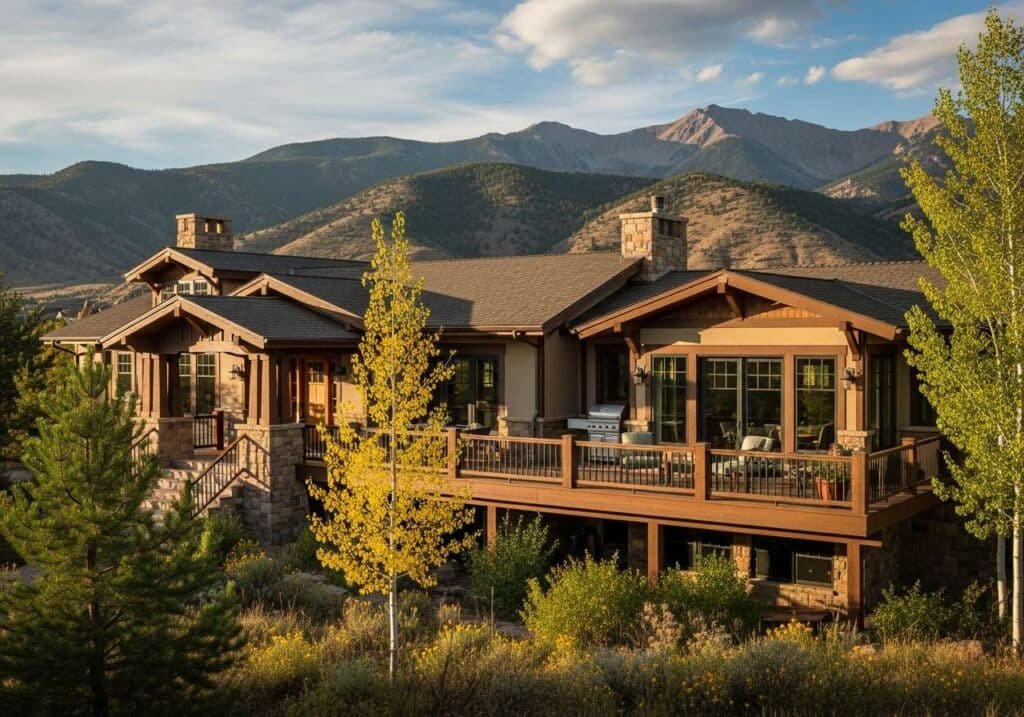
An actionable, risk‑based inspection and maintenance framework tailored to Colorado’s Front Range—Littleton through Castle Rock—that prioritizes the failure modes most likely to shorten deck life: ledger separation, joist and post rot from freeze–thaw cycles, and fastener/ledger corrosion from alternating snowpack and dry periods. This guide will lay out a seasonal inspection cadence (spring thaw, mid‑summer UV check, late‑fall pre‑snow), field‑proven non‑destructive diagnostics (infrared moisture scanning, hand‑probe “pick” tests, borescope checks at ledger/joist interfaces), and a clear decision matrix that ranks defects by safety risk, estimated cost, and remaining service life to determine repair versus full replacement. It will also recommend material‑specific tactics—proper stainless or hot‑dip galvanized fasteners, continuous ledger flashing and joist tape details, composite board attachment best practices, and frost‑protected footing strategies—to prevent common Front Range problems like galvanic corrosion, ice‑lensing, and trapped moisture. Finally, the piece will cover when local permitting and engineered fixes are required, give sample inspection checklists for homeowners, and explain how a free professional inspection from a 30‑year construction expert can convert findings into an immediate, prioritized maintenance plan that minimizes downtime and long‑term costs.
The Hidden Costs of Neglecting Deck Inspections in Colorado’s Climate

While deck maintenance seems straightforward, overlooking regular inspections can lead to costly surprises, especially in Colorado’s unique climate. Many homeowners underestimate the impact of environmental factors such as snow accumulation and rapid temperature fluctuations on their decks. This article will delve into the nuanced, often overlooked issues such as moisture intrusion and wood decay, explaining why timely inspections are essential for avoiding structural issues and ensuring safety across seasons. Homeowners will gain insights into common oversights and learn the critical questions to ask during inspections, such as how localized conditions affect their particular deck setup.
Detecting Hidden Deck Decay: Advanced Inspection Techniques for Colorado Homeowners
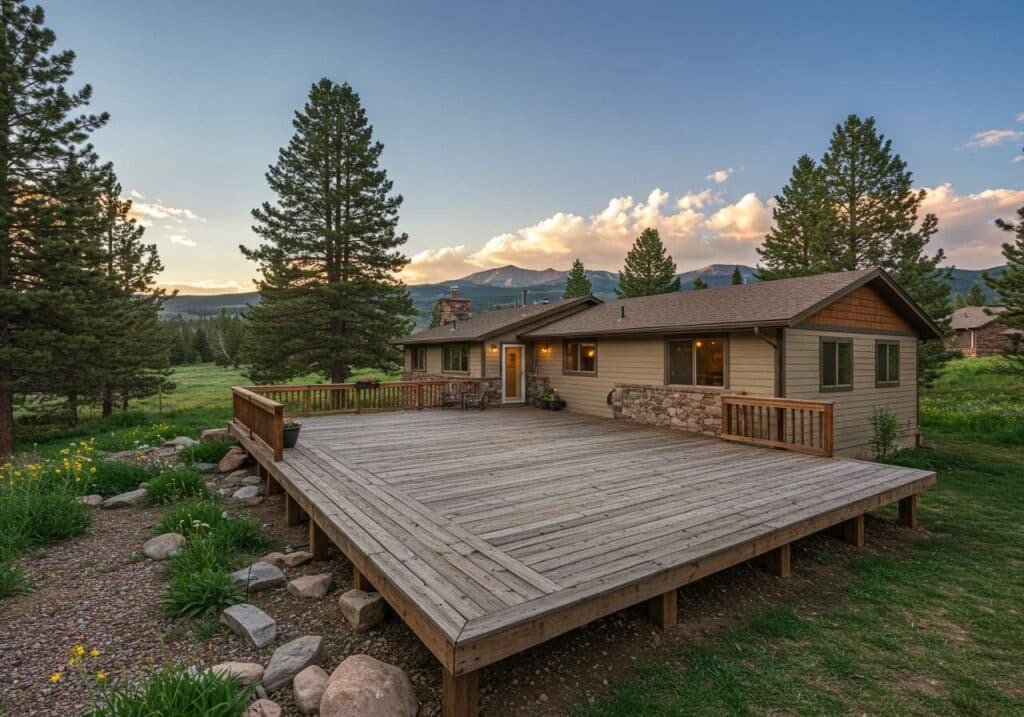
Most deck inspections focus on visible wear or surface rot, but Colorado’s dramatic freeze-thaw cycles and dry climate mean hidden substructure decay is a real threat. This article will dive into nuanced inspection techniques—including thermal imaging, moisture meters, and strategic dismantling—that help uncover damage beneath the boards, inside joists, or at the ledger connection. We’ll explore how early detection of hidden decay can prevent catastrophic failures, the signs that homeowners often miss, and why periodic, in-depth inspections are vital for longevity and safety. If you’re concerned about unseen damage, especially after harsh winters or heavy spring rains common on the Front Range, understanding these advanced approaches is key to preserving both your investment and peace of mind.
How Colorado’s Freeze-Thaw Cycles Cause Hidden Deck Damage (And What You Can Do About It)
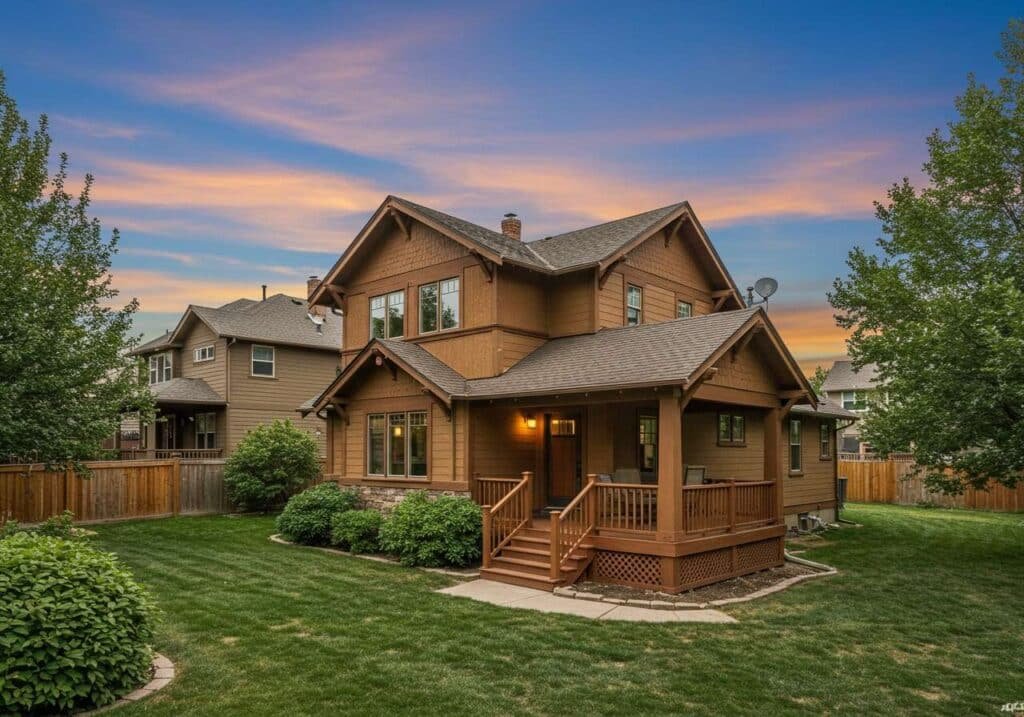
Freeze-thaw cycles unique to the Colorado Front Range pose subtle but serious risks to decks—often leading to hidden rot, cracked ledger boards, or foundation shifts that are invisible to the untrained eye. This guide will explore the nuanced process of inspecting for concealed water damage, stress fractures, and compromised fasteners that result from constant temperature swings. It will answer complex questions such as: How does moisture infiltration differ under composite vs. wood decking? What inspection techniques best reveal damage beneath surface boards or at buried piers? Most importantly, it explains why timely, technical inspections are vital for homeowners in Littleton, Highlands Ranch, Golden, and surrounding areas to protect both safety and property value.
Moisture Intrusion and Hidden Deck Damage: How Advanced Inspections Protect Colorado Front Range Homes
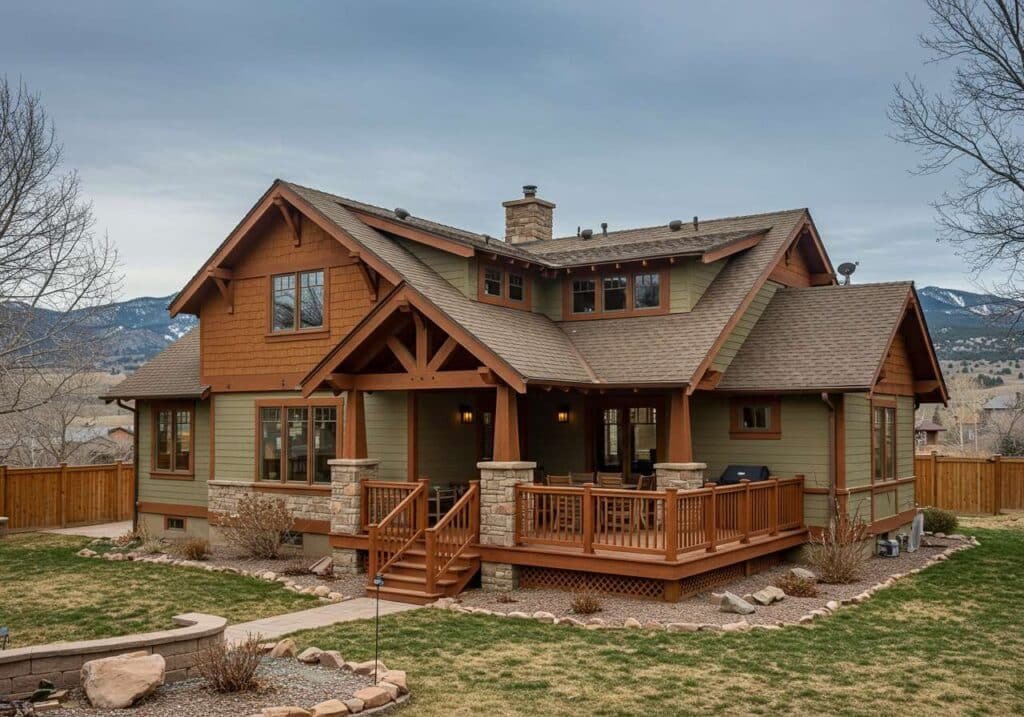
Colorado’s Front Range presents unique challenges for deck longevity, especially when it comes to moisture intrusion and the resulting hidden structural damage. This article will dive deep into the complexities of identifying water management failures, such as improper flashing, clogged drainage, or subtle wood rot developing beneath the surface—problems often missed by routine checks. It will address the nuanced questions homeowners face: What advanced inspection techniques are needed to spot hidden decay? How do shifting freeze-thaw cycles accelerate damage? And which local regulations or best practices can prevent these costly repairs? With high-altitude weather and sudden storms, understanding and acting on these inspection insights is vital to protecting both your investment and your family’s safety.
Hidden Deck Flashing Failures: Preventing Moisture Damage in Colorado’s Variable Climate
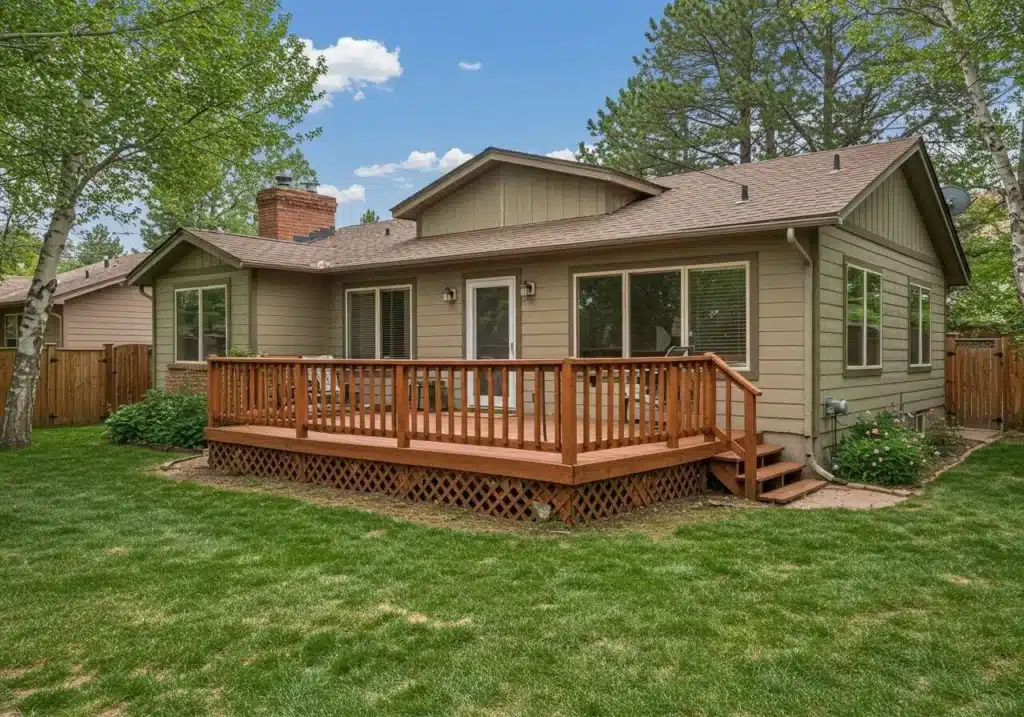
Many Colorado Front Range homeowners are surprised to learn that improper or deteriorating deck flashing is a leading cause of costly moisture damage, structural wood rot, and even hidden mold. This article will break down the often-overlooked complexities of flashing inspections, including why standard visual checks can miss key vulnerabilities, how local freeze-thaw cycles and wind-driven precipitation accelerate failure, and the nuanced role of material compatibility (galvanic corrosion, caulking choices). We’ll explore real-life local inspection stories, common regulatory oversights in cities like Littleton and Castle Rock, and offer a practical guide for spotting early warning signs before they result in expensive repairs. Understanding these flashing issues is crucial for homeowners who want to safeguard their investment and avoid insurance headaches from preventable water intrusion.