
Things You Should Never Do To Your Deck | Griffin Decks & Covers

Things You Should Never Do to Your Deck | Griffin Decks & Covers Things You Should Never Do to Your Deck: Common Mistakes That Cause Lasting Damage Griffin Decks & Covers July 15, 2025 Your deck is one of the hardest-working parts of your home. It handles foot traffic, furniture, weather extremes, and years of […]
Pergola Design Ideas That Transform Your Outdoor Space
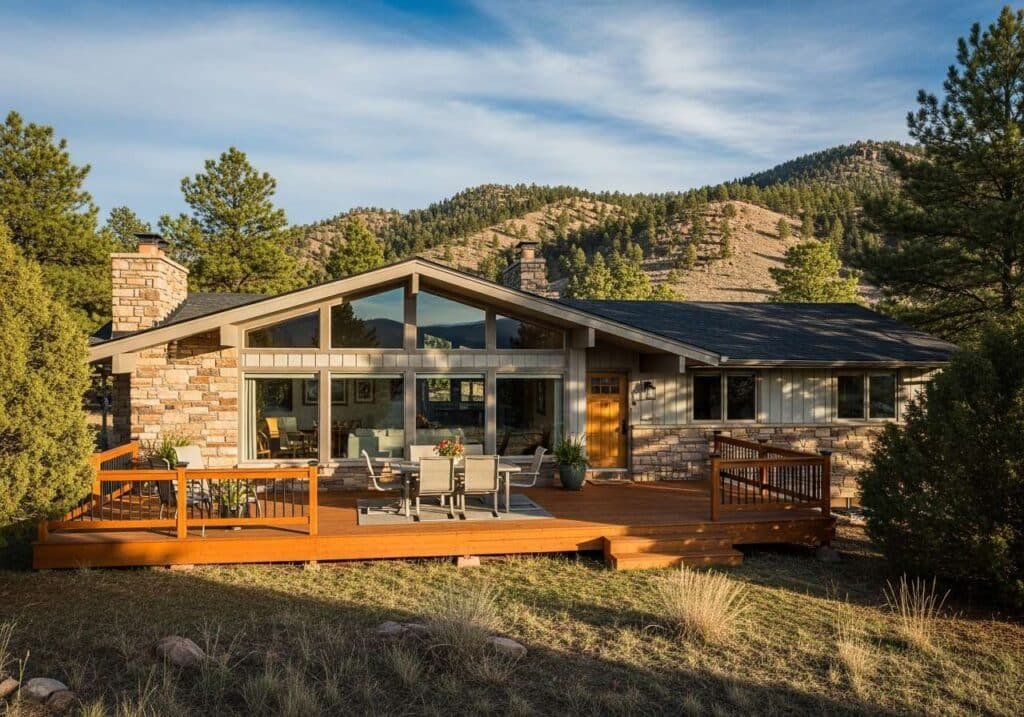
Pergola Design Ideas That Transform Your Outdoor Space | Griffin Decks & Covers Skip to content Pergolas & Outdoor Living Pergola Design Ideas That Transform Your Colorado Outdoor Space March 15, 2026 • 12 min read On This Page What is a pergola? Why add one in Colorado? Design styles to consider Choosing the right […]
What Your Decking Contractor Won’t Tell You | Griffin Decks & Covers
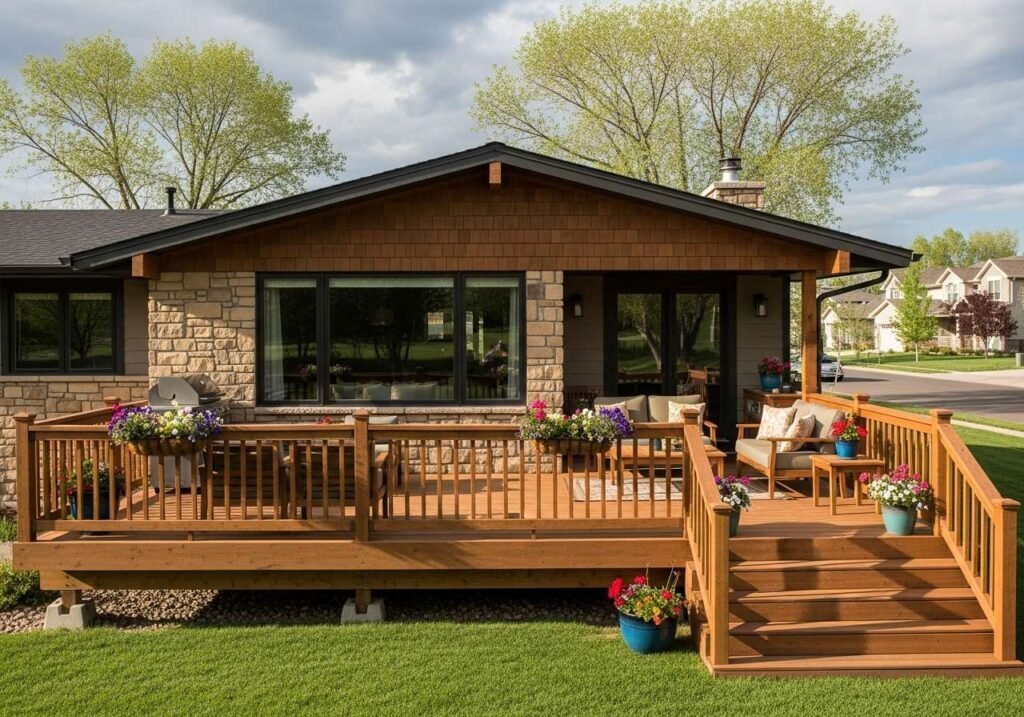
What Your Decking Contractor Won’t Tell You | Griffin Decks July 15, 2025 • 12 min read What Your Decking Contractor Won’t Tell You About Building a Deck That Lasts The material choices, code shortcuts, and construction details that separate a deck built to survive from one built to collect a check. On This Page […]
Custom Deck Railing Ideas That Transform Your Outdoor Space

Custom Deck Railing Ideas That Transform Your Colorado Outdoor Space | Griffin Decks & Covers Skip to content Home / Articles / Custom Deck Railing Ideas Custom Deck Railing Ideas That Transform Your Colorado Outdoor Space Your deck is where weekend mornings start with a warm cup of coffee, where kids play on summer evenings, […]
A Risk-Based Inspection Framework for Front Range Decks: Freeze-Thaw, Flashing, and Fastener Failure Explained
This article will present a practical, evidence‑based inspection and maintenance framework tailored to Colorado’s Front Range—from Littleton and Highlands Ranch to Parker, Aurora, Centennial, Golden, and Castle Rock—that links specific climate stressors (freeze‑thaw cycling, high UV and low-humidity drying, heavy snow/ice events) to the most common failure modes (ledger rot, flashing failure, concealed fastener corrosion, and joist/beam fatigue). It will move beyond checklists to offer a graded scoring rubric homeowners and contractors can use during a free inspection: a step‑by‑step diagnostic sequence (visual, moisture‑meter, small probe, and infrared screening), a mapped probability-of-failure model by component and age, seasonal timing for targeted interventions, and clear cost/benefit thresholds for repair versus replacement. The guide will also synthesize Front Range permit and code considerations into action‑oriented triggers (when a structural change requires permitting), explain practical flashing and ledger-repair details that resist freeze‑thaw and ice-damming, and finish with a prioritized, low‑cost maintenance calendar that maximizes deck lifespan while minimizing liability and unexpected out‑of‑pocket spend.
A Science-Based Deck Inspection & Maintenance Plan for Colorado Front Range Homeowners
A practical, science‑forward guide that teaches Front Range homeowners how to move beyond generic checklists to a risk‑based, seasonally timed deck inspection and maintenance strategy tailored to Colorado’s freeze‑thaw cycles, high UV, and variable precipitation. The article will define measurable “trigger points” (e.g., moisture‑meter thresholds, visible cross‑section loss percentages, fastener corrosion levels, railing movement tolerances and joist deflection checks) that convert observations into triage actions: immediate repair, monitored maintenance, or planned replacement. It will compare lifecycle costs and maintenance rhythms for common materials (pressure‑treated wood, cedar, capped composite) and show how detailing—ledger flashing, joist ventilation, footing drainage—changes long‑term risk. Finally, the piece will map how local Front Range permitting and inspection practices (Littleton, Centennial, Parker, Highlands Ranch, Golden, Aurora, Castle Rock) influence timing and documentation, and include a printable seasonal checklist and decision matrix homeowners can use before calling for a free professional inspection.
A Risk-Based Inspection Framework for Prioritizing Deck Repairs on the Colorado Front Range
Develop a practical, risk-prioritized approach to deck maintenance tailored to the Colorado Front Range’s unique stresses—wide daily temperature swings, intense UV, heavy snow loads, and freeze–thaw cycles. The article will present a weighted inspection protocol that moves beyond checklist items to quantify probability and consequence of failure for critical components (ledger/flashing, joist ends, fasteners, railings, stairs, and drainage), combine simple field diagnostics (sounding, probing, moisture mapping) with basic lifecycle-cost modeling, and produce an actionable prioritization matrix for immediate, short-term, and deferred repairs. It will include red-flag indicators that trigger emergency professional intervention, templates homeowners can use to document condition for insurance or sale, seasonal timing recommendations for inspections and sealing, and a decision rubric to weigh targeted repairs versus full replacement—all contextualized for Front Range towns like Littleton, Highlands Ranch, Parker, and Castle Rock and designed to support confident, cost-effective homeowner decisions.
Front Range Deck Inspection Protocol: Preventing Ledger Failure and Freeze-Thaw Damage
This article will present a step-by-step, evidence-based inspection protocol tailored to Colorado’s Front Range that helps homeowners and contractors detect, triage, and prioritize deck repairs before small issues become structural failures. It will combine seasonal timing (post-thaw, post-monsoon, pre-winter) with practical diagnostics — visual ledger and joist probes, non-destructive moisture mapping, fastener and connector corrosion surveys, and targeted thermal/borescope scans — then translate findings into a simple risk-score matrix that links symptoms to recommended actions (monitor, minor repair, engineered retrofit, or full replacement). The piece will also cover local code and permit triggers for ledger and footing work, how microclimates (sun exposure, roof overhangs, snow shedding) change inspection priorities, realistic budgeting and expected timelines for common interventions, and a homeowner-ready checklist and photo-log template so readers can gather useful data before a free professional inspection with Griffin Decks & Covers.
Predictive Deck Maintenance: Risk-Based Inspection & Lifecycle Planning for Colorado Front Range Homes
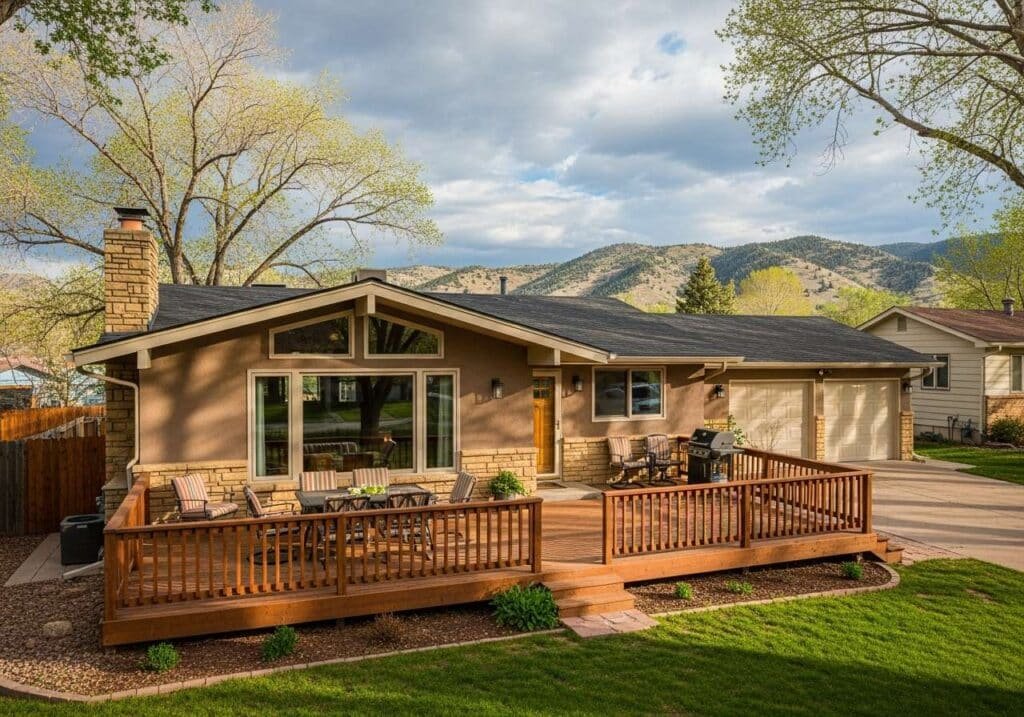
This article will present a practical, data-driven approach to maintaining exterior decks in the Colorado Front Range by combining targeted inspection techniques, seasonal risk analysis, and lifecycle cost forecasting. It will define a risk-prioritization matrix that ranks elements (ledger boards, joists, footings, fasteners, railings, stairs, and flashing) by consequence of failure and exposure to local stressors—freeze-thaw cycles, heavy snow loads, intense UV, and de-icing salts—and pair each rank with specific non-destructive evaluation methods (moisture meters, thermal imaging, fastener resistance tests) and pass/fail thresholds homeowners can use. The guide will differentiate protocols for material types (pressure-treated wood, cedar, and composite boards), outline bi-annual inspection windows (spring thaw and pre-winter), and show when DIY maintenance (cleaning, sealing, loose-fastener replacement) is appropriate versus when to call a pro. It will include sample 5- and 15-year cost-benefit curves that weigh routine maintenance costs against repair-or-replace scenarios, plus a homeowner-ready inspection checklist and decision thresholds for scheduling a free professional inspection. Local examples and recommendations tailored to Littleton–Castle Rock–Parker area microclimates will make the plan immediately actionable for Front Range homeowners concerned about safety, budgets, and maximizing deck lifespan.
Prioritizing Deck Maintenance Across Colorado’s Front Range: A Practical Inspection Framework
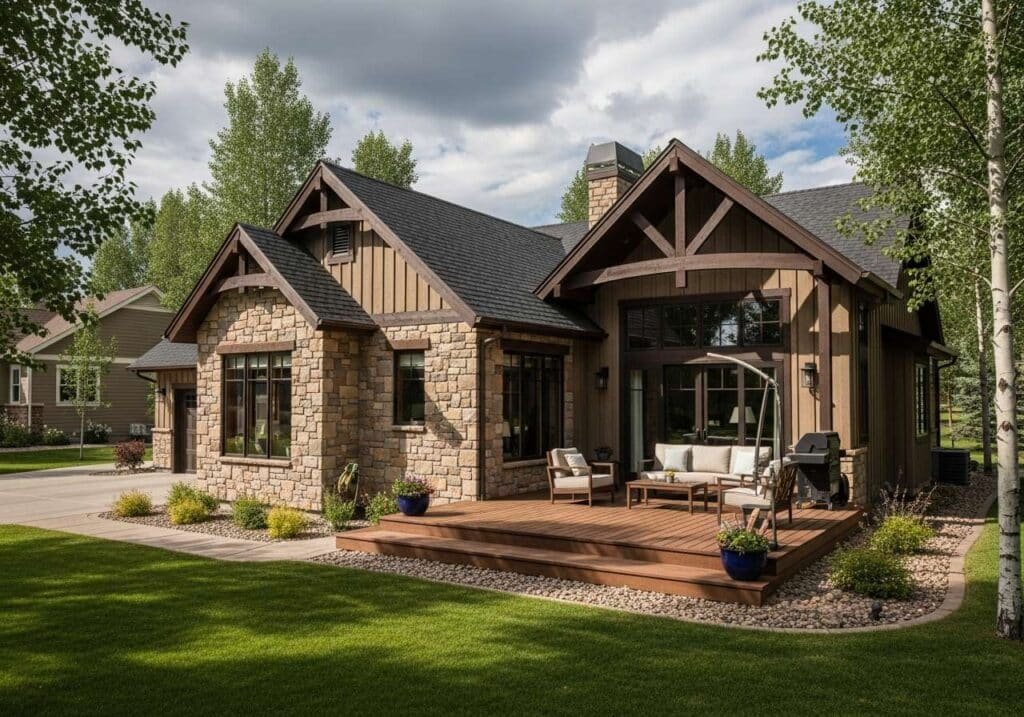
This article will present a precise, field-ready framework for Front Range homeowners to prioritize deck maintenance and repairs by integrating seasonal inspection checkpoints, condition-based risk scoring, and life‑cycle cost tradeoffs. Covering ledger boards, joists, fasteners, railings and finishes, it will show how to use non‑destructive moisture mapping, visible-structural criteria and microclimate indicators (UV exposure, snow-shedding zones, drainage and freeze‑thaw history) to rank interventions into immediate safety repairs, near‑term preventive work, and deferred maintenance. The guide will include a Spring post‑thaw inspection protocol, an autumn sealing and fastener check, small-scope DIY diagnostics versus professional triggers, estimated timeline windows for permitting and work in Littleton, Centennial, Parker, Highlands Ranch, Golden, Aurora and Castle Rock, plus a simple cost‑benefit worksheet to decide whether repair, partial replacement, or full replacement best extends deck lifespan in Colorado’s unique conditions.