
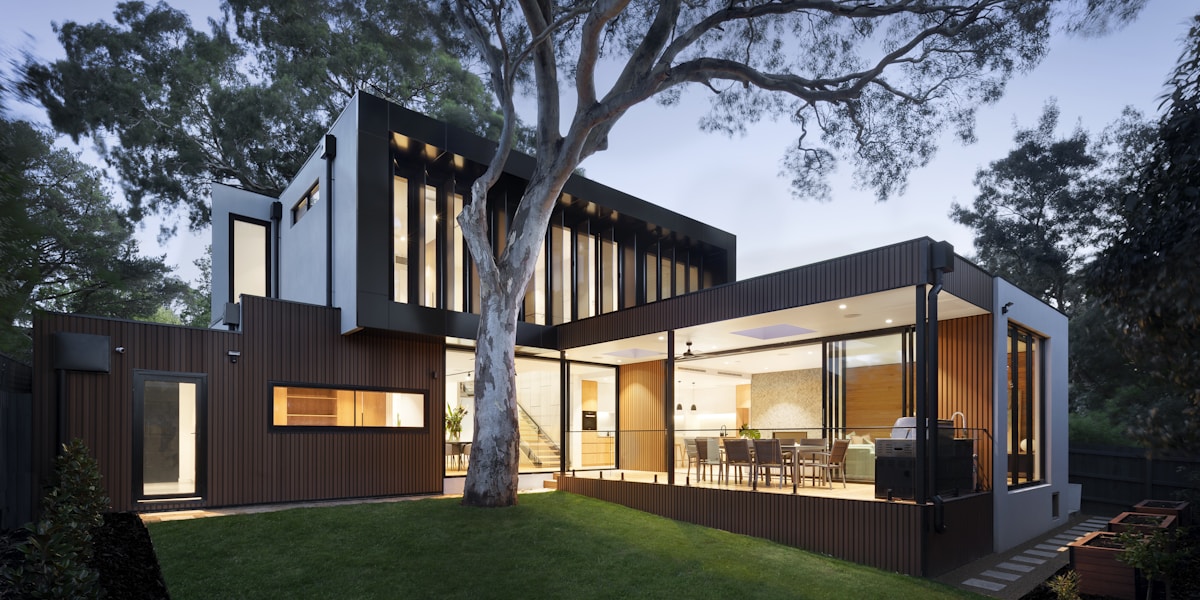
If you're planning to expand your outdoor living space in the Greater Denver Area, you've probably asked yourself this question: are decks and patios the same thing? While both create valuable outdoor areas for relaxation and entertaining, they're actually quite different in design, construction, and application. Understanding these differences will help you make the right choice for your home, terrain, and lifestyle.
At Griffin Decks & Covers, we design and build both custom decks and patios throughout the Greater Denver Area. Over 30 years of construction experience in Littleton, Castle Rock, Highlands Ranch, Parker, Centennial, Aurora, Lakewood, and surrounding communities has shown us that choosing the right structure depends on several factors unique to your property and goals.
What Defines a Patio?
A patio is an outdoor living space built directly on the ground. It sits at ground level and typically uses materials like concrete, pavers, brick, natural stone, or even stamped concrete. Patios work best on level terrain where you can create a stable, flat surface without major excavation or elevation adjustments.
Common Patio Materials in the Greater Denver Area
When we build patios for Greater Denver Area homeowners, material selection plays a big role in long-term performance. Here are the most popular options:
- Concrete: A basic concrete slab offers durability and affordability. You can dress it up with stamping, staining, or decorative finishes.
- Pavers: Concrete or brick pavers laid over a compacted base provide design flexibility and easier repairs if needed.
- Natural stone: Flagstone, slate, and other natural materials create a high-end look that complements the Greater Denver Area's natural surroundings and mountain views.
- Decomposed granite (DG): This gravelly material hardens when compacted and watered, offering a rustic, permeable surface popular in Colorado's Front Range communities.
- Pressure-treated wood: An affordable option that requires regular maintenance like staining and sealing to protect against Colorado's sun and weather.
- Composite decking: Made from wood fibers and recycled plastic, composite boards resist fading, warping, and moisture damage. They're popular for Colorado's intense UV exposure and temperature swings.
- Pressure-treated wood: An affordable option that requires regular maintenance like staining and sealing to protect against the Greater Denver Area's intense sun and weather fluctuations.
- Composite decking: Made from wood fibers and recycled plastic, composite boards resist fading, warping, and moisture damage. They're incredibly popular in the Greater Denver Area for handling intense UV exposure, temperature swings, and low-humidity conditions.
- Cedar or redwood: Naturally resistant to decay and insects, these premium woods offer rich color and grain patterns that age beautifully in Colorado's dry climate.
- Your property has sloped or uneven terrain
- You need to connect to a second-story door or elevated entrance
- Your property has sloped or uneven terrain (common in Castle Rock, Highlands Ranch, and hillside neighborhoods)
- You need to connect to a second-story door or elevated entrance
- You want an outdoor space that extends from your home's main level
- You prefer the natural warmth and aesthetic of wood or composite materials
- You're looking to add value to your Greater Denver Area home with a standout outdoor feature
- You want to maximize mountain or city views from an elevated vantage point
- You have relatively flat, stable ground
- You prefer a ground-level outdoor space
- You want to minimize long-term maintenance
- You're integrating the space with landscaping or garden features
- You prefer materials like stone, pavers, or concrete
- Patio covers: Year-round protection from sun and seasonal weather for both decks and patios
- Pergolas: Filtered shade and architectural interest that complements your outdoor space
- Patio covers: Year-round protection from sun and seasonal weather, essential for the Greater Denver Area's 300+ days of sunshine
- Pergolas: Filtered shade and architectural interest that complements your outdoor space while maintaining mountain views
- A detailed consultation that explores your goals, site conditions, and budget
- Design options tailored to Colorado's climate and your property's terrain
- Clear material recommendations based on performance, aesthetics, and maintenance
- A detailed consultation that explores your goals, site conditions, and budget
- Design options tailored to the Greater Denver Area's climate, your property's terrain, and your lifestyle
- Clear material recommendations based on performance in Colorado's unique conditions, aesthetics, and maintenance requirements
- Complete permit coordination and engineering specific to your municipality
- Professional construction with organized workflows and attention to detail
Patios are anchored to the earth, which means they need stable ground beneath them. If your yard has significant slope or uneven terrain, a patio might require extensive grading or may not be the most practical option.
Patios are anchored to the earth, which means they need stable ground beneath them. If your Greater Denver Area property has significant slope or uneven terrain (common in areas like Castle Rock, Highlands Ranch, or hillside neighborhoods), a patio might require extensive grading or may not be the most practical option.
What Defines a Deck?
A deck is an elevated outdoor structure built above the ground using a support system of posts, beams, and joists. Custom decks are typically constructed from wood or composite materials and can be built at various heights depending on your home's elevation and layout.

One of the biggest advantages of deck construction is its adaptability to challenging terrain. Whether your backyard slopes downhill, sits on a hillside, or requires access to a second story, a deck can create a level outdoor space where a patio simply wouldn't work. This is especially important in the Greater Denver Area, where many properties feature dramatic elevation changes and sloping yards.
Deck Materials and Construction
At Griffin Decks & Covers, we help homeowners choose between several material options based on maintenance preferences, budget, and aesthetic goals:
Most decks include railing systems for safety, especially when elevated more than 30 inches above the ground. We also design and install custom stairs that connect your deck to ground level with safe, code-compliant access.
Key Differences Between Decks and Patios
Now that you understand the basics, let's break down the specific differences that matter when planning your outdoor space:
Elevation and Terrain
Patios require relatively flat, stable ground. If your property has slopes, rocky terrain, or drainage concerns, extensive site preparation may be needed. Decks, on the other hand, are built on a support structure that adjusts to any elevation. This makes them ideal for hillside properties or homes with walk-out basements.
Patios require relatively flat, stable ground. If your property has slopes, rocky terrain, or drainage concerns (common throughout the Greater Denver Area's varied topography), extensive site preparation may be needed. Decks, on the other hand, are built on a support structure that adjusts to any elevation. This makes them ideal for hillside properties throughout Littleton, Castle Rock, Highlands Ranch, and other communities with challenging terrain.
Patio installation often involves excavation, base preparation, and material laying. Weather and ground conditions can affect the timeline. Deck construction requires framing, securing posts in concrete footings, and building the decking surface. Both require permits in most Colorado municipalities, which we handle as part of our design and build process.
Patio installation often involves excavation, base preparation, and material laying. Weather and ground conditions can affect the timeline. Deck construction requires framing, securing posts in concrete footings, and building the decking surface. Both require permits in most Greater Denver Area municipalities, which we handle as part of our design and build process.
Pricing varies widely based on size, materials, and site conditions. Generally, basic patios can be less expensive than elevated decks, but high-end patio materials like natural stone can exceed composite deck costs. We provide clear estimates that factor in your specific design, elevation needs, and material choices.
Maintenance Requirements
Patios made from concrete or pavers require minimal ongoing maintenance beyond occasional cleaning and sealing. Decks need more attention, especially wood decks that require periodic staining, sealing, or board replacement. Composite decking dramatically reduces maintenance demands while maintaining appearance over decades.
We also offer professional deck repair services for homeowners who need structural fixes, board replacement, or railing updates.
Design Flexibility
Decks offer more flexibility for multi-level designs, built-in features, and custom shapes. You can incorporate deck lighting, built-in seating, planters, and even under-deck systems that create dry, usable space beneath elevated decks.
Decks offer more flexibility for multi-level designs, built-in features, and custom shapes. You can incorporate deck lighting for evening entertainment, built-in seating, planters, and even under-deck systems that create dry, usable space beneath elevated decks—perfect for the Greater Denver Area's occasional afternoon thunderstorms.
Patios work well for ground-level layouts and can be combined with landscaping, fire pits, and outdoor kitchens. Many Greater Denver Area homeowners choose both structures, creating a deck that connects to a ground-level patio for expanded entertaining space and distinct outdoor zones.
The choice between a deck and a patio depends on several factors specific to your property and lifestyle:
Which Is Right for Your Greater Denver Area Home?
The choice between a deck and a patio depends on several factors specific to your Greater Denver Area property and lifestyle:
Consider Both If:
Many Colorado homeowners benefit from combining both structures. An elevated deck can connect to a ground-level patio, creating distinct zones for dining, lounging, and outdoor activities. This approach maximizes your usable outdoor space and adds visual interest to your landscape design.
Many Greater Denver Area homeowners benefit from combining both structures. An elevated deck can connect to a ground-level patio, creating distinct zones for dining, lounging, and outdoor activities. This approach maximizes your usable outdoor space, accommodates sloped terrain, and adds visual interest to your landscape design.
Whether you choose a deck or patio, Colorado's intense sun and unpredictable weather make shade structures valuable additions. We design and install:
Whether you choose a deck or patio, the Greater Denver Area's intense sun and unpredictable weather make shade structures valuable additions. We design and install:
These structures extend the usability of your outdoor space throughout Colorado's changing seasons, protecting you from summer sun and creating covered areas during light rain or snow.
These structures extend the usability of your outdoor space throughout the Greater Denver Area's changing seasons, protecting you from summer sun and creating covered areas during light rain, snow, or those sudden afternoon thunderstorms Colorado is known for.
Building Standards That Matter
Regardless of whether you choose a deck or patio, proper construction methods and adherence to building codes ensure your outdoor space remains safe and functional for years to come.
As a member of the North American Deck and Railing Association (NADRA), we hold ourselves to industry-leading standards. Every project receives engineering review and permitting through local authorities, ensuring your structure meets current safety requirements and building codes specific to Colorado.
As a member of the North American Deck and Railing Association (NADRA), we hold ourselves to industry-leading standards. Every project receives engineering review and permitting through local authorities in Littleton, Castle Rock, Highlands Ranch, Parker, Centennial, Aurora, Lakewood, and other Greater Denver Area communities, ensuring your structure meets current safety requirements and building codes specific to your municipality.
When you work with our team, you receive:
We proudly serve homeowners throughout the Greater Denver Area, including Littleton, Castle Rock, Highlands Ranch, Parker, Centennial, Aurora, Lakewood, Englewood, Lone Tree, Greenwood Village, and surrounding communities along the Colorado Front Range.
So, are decks and patios the same? Definitely not. While both create valuable outdoor living spaces, they differ in construction method, material options, elevation requirements, and ideal applications.
Patios sit directly on the ground and work best on level terrain. They're built from concrete, pavers, stone, or similar materials and typically require less ongoing maintenance.
Decks are elevated structures built on support systems that adapt to any terrain. They use wood or composite materials and offer more flexibility for challenging sites and multi-level designs.
The right choice depends on your property's slope, your home's layout, your aesthetic preferences, and how you plan to use the space. Many homeowners find that combining both structures creates the most functional and attractive outdoor environment.
The right choice depends on your property's slope, your home's layout, your aesthetic preferences, and how you plan to use the space. Many Greater Denver Area homeowners find that combining both structures creates the most functional and attractive outdoor environment while working with the area's natural terrain and elevation changes.
Ready to Design Your Outdoor Space?
Whether you're considering a custom deck, a ground-level patio, or a combination of both, our team at Griffin Decks & Covers can help you make the right decision for your Colorado home.
We'll assess your property, discuss your goals, and provide honest guidance on the best approach for your terrain, budget, and lifestyle. With over 30 years of construction experience and a commitment to quality workmanship, we're here to create outdoor spaces you'll enjoy for decades.
Ready to Design Your Greater Denver Area Outdoor Space?
Whether you're considering a custom deck, a ground-level patio, or a combination of both, our team at Griffin Decks & Covers can help you make the right decision for your Greater Denver Area home.
We'll assess your property, discuss your goals, and provide honest guidance on the best approach for your terrain, budget, and lifestyle. With over 30 years of construction experience serving Littleton, Castle Rock, Highlands Ranch, and surrounding communities, we're here to create outdoor spaces you'll enjoy for decades.