
When to Repair, Replace or Rebuild Your Front Range Deck: A Professional Decision Framework

This guide will give Colorado Front Range homeowners a contractor-grade decision framework for determining whether to repair, replace, or fully rebuild an existing deck. It combines structural inspection protocols (visual survey, targeted probing, non‑destructive moisture and fastener testing), local permit and code triggers common to Littleton, Centennial, Parker, Highlands Ranch, Aurora, Golden and Castle Rock, and a practical lifecycle cost model comparing spot repairs, staged replacement, and full rebuilds using pressure‑treated wood, cedar, capped composite, aluminum and other options. The article will teach readers how to prioritize safety‑critical components—ledger attachments, joists, posts/footings, guardrails—and quantify risk using remaining service‑life estimates, snow‑load and freeze‑thaw fatigue indicators, and rot penetration depth. It will also outline staging strategies to limit homeowner disruption, show sample budget and timeline scenarios, and end with a contractor‑vetting checklist, permit timeline map, warranty and insurance considerations, and decision charts to convert inspection findings into a clear, high‑confidence action plan.
Performance-Based Deck Contracts: Smarter Risk, Warranty, and Pricing for Colorado Front Range Homes

A focused, practitioner-level guide showing how licensed decking contractors and informed homeowners can replace low-stakes fixed‑price bids with performance‑based contracts that align incentives, reduce long‑term risk, and reflect Colorado Front Range environmental realities. The article will unpack measurable KPIs (response time, structural defect rate, moisture-intrusion counts, life‑cycle cost per square foot), define warranty architectures (term, scope, remedy ladders, holdbacks, and transferability), and present financial models that convert maintenance schedules, accelerated UV/freeze testing, and local permit/inspection timelines into deterministic price bands and contingency reserves. It will map specific contract clauses and inspection protocols tailored to Littleton, Centennial, Parker, Highlands Ranch, Golden, Aurora, and Castle Rock—covering ledger flashings, snow‑load acceptance testing, fastener metallurgy, and sensor-enabled moisture monitoring—and include bidder-evaluation rubrics, sample contract language, and a step‑by‑step roadmap for negotiating predictable, enforceable outcomes that protect homeowner value while controlling contractor exposure.
The Complete Permit and Design Guide for Frost‑Resistant Decks on Colorado’s Front Range
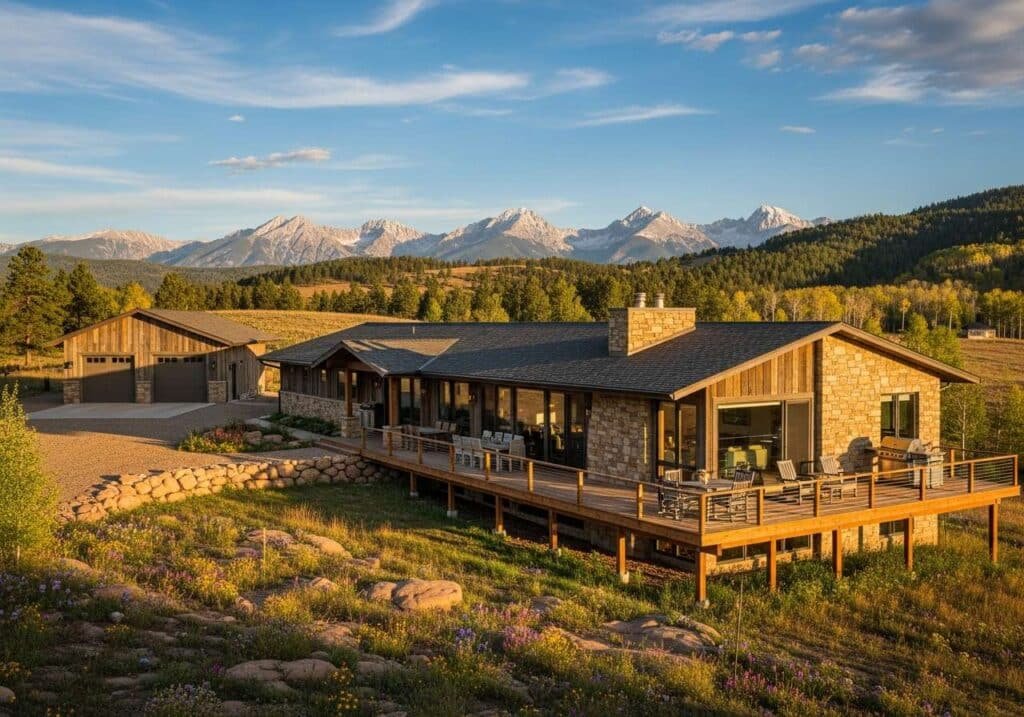
This article will be an end‑to‑end, technical yet homeowner‑friendly guide that translates Colorado Front Range constraints (frost‑depths, snow loads, UV exposure and local permit thresholds) into a practical decision framework for hiring a professional deck contractor. It will walk readers through a site‑specific inspection checklist (soil/frost assessment, ledger board and flashing review, joist span and beam sizing), a permit and inspection timeline tied to Front Range jurisdictions, and a comparative lifecycle‑cost matrix for material choices (pressure‑treated, tropical hardwoods, capped composite) including maintenance, warranty, and failure‑risk scenarios like frost heave or ledger corrosion. The piece will also provide an evidence‑based contractor selection rubric (license/certifications, insurance, references, detailed scope and scheduling guarantees), sample budget bands with contingency planning, and downloadable deliverables — a permit‑ready sketch and an inspection checklist — so homeowners can move from concern to an informed, low‑risk contract with a local professional.
Designing and Permitting Colorado Front Range Decks for Freeze-Thaw, Snow Load, and Wildfire Resilience

A focused, practitioner-oriented guide for Colorado Front Range homeowners and contractors that synthesizes structural engineering, materials science, and municipal permitting into a single decision framework: how to size footings and choose fasteners to resist freeze‑thaw cycling and snow loads; ledger and lateral‑support detailing to prevent differential movement; a comparative lifecycle analysis of pressure‑treated, thermally modified wood, composite, and PVC systems under high UV and de‑icing exposure; and fire‑resistant assembly options for homes in wildfire‑prone foothill neighborhoods. The article will map permit triggers and inspection checkpoints across Littleton, Centennial, Parker, Highlands Ranch, Golden, Aurora, and Castle Rock; provide an evidence‑based maintenance cadence and cost/time tradeoffs for each material and structural choice; and conclude with a homeowner-ready checklist and questions to bring to a free professional inspection from Griffin Decks & Covers so readers can convert risk‑reduction insights into an actionable, locally compliant deck project plan.
Colorado Front Range Deck Builds: The Legal, Safety, and Long-Term Financial Risks of Cutting Corners

This article will examine the often-overlooked legal, structural and lifecycle risks homeowners face when hiring amateur or unlicensed deck builders in the Colorado Front Range—focusing on permits, insurance exposure, code compliance, and climate-driven engineering needs (snow load, freeze-thaw, wind uplift, and proper ledger flashing). It will break down the nuanced pathways by which a cheaper upfront build can translate into fines, denied insurance claims, accelerated rot or structural failure, reduced resale value, and costly retrofits; compare long‑term maintenance and replacement cost models for amateur vs. professional builds; and walk readers through practical, evidence‑based questions to ask contractors, exact permit and inspection checkpoints for cities like Littleton, Centennial, Parker and Highlands Ranch, and a decision framework that quantifies when hiring a pro is actually the lowest-risk, lowest‑cost option over 10–30 years. The piece will also include a homeowner checklist (inspection items, documentation to keep for escrow/insurance, and red flags for poor ledger/joist/railing work) and discuss warranty, contractor licensing, and procurement practices that materially reduce liability—so readers understand not just the aesthetics and immediate price, but the hidden legal and structural costs that matter most in Colorado’s climate and real‑estate market.
Advanced Drainage and Waterproofing Strategies for Colorado Front Range Decks
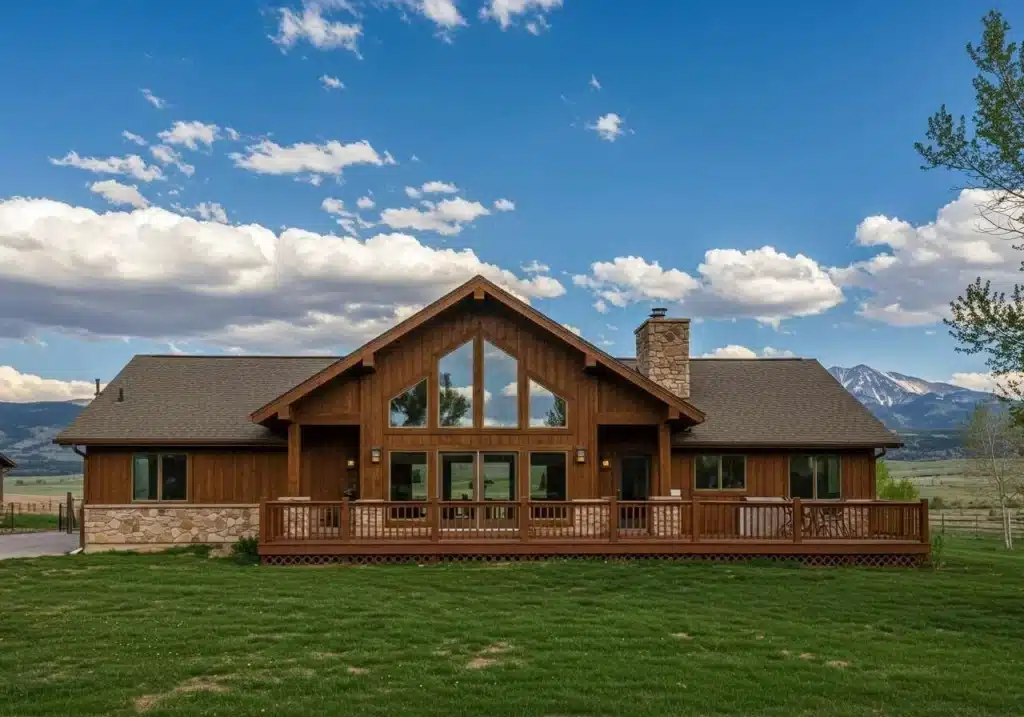
While many homeowners focus on deck aesthetics and materials, the real complexity in Colorado Front Range deck installations lies in robust water management. This article will dive deep into advanced drainage and waterproofing systems designed specifically for the region’s unpredictable weather—including high-altitude snow loads, freeze–thaw cycles, and intense summer storms. We’ll address nuanced questions like: How do professionals integrate under-deck drainage without compromising deck structure? What are the latest low-maintenance waterproofing membranes? And how can homeowners protect their investment from hidden moisture damage that undermines longevity? This guide is essential reading for anyone seeking a lasting, hassle-free deck solution tailored to Colorado’s rigorous conditions.
How Freeze-Thaw Cycles Shape Deck Design and Longevity in the Colorado Front Range
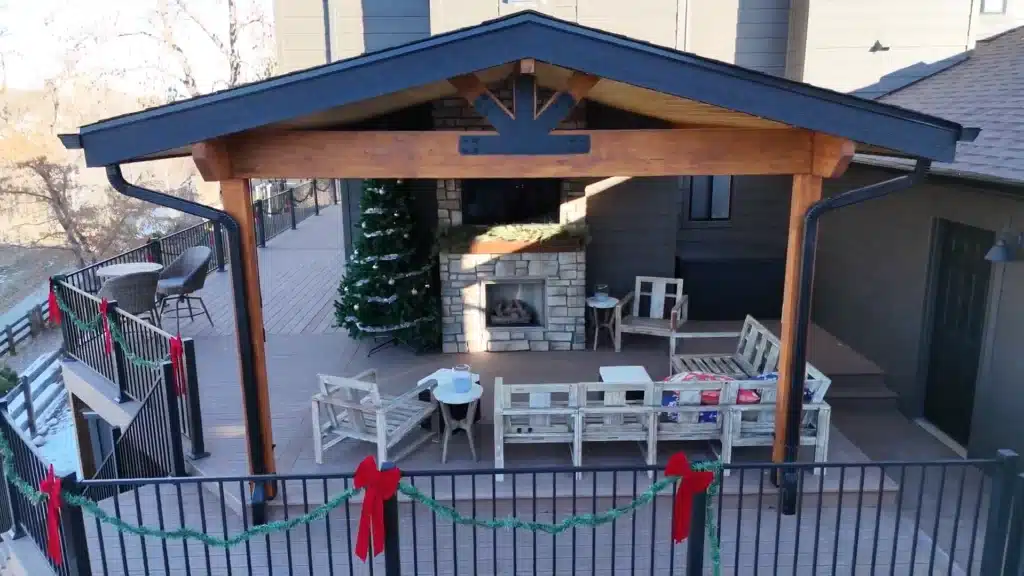
Have you ever noticed cracks in your deck boards or uneven stairs after a harsh Colorado winter? If you live in Littleton, Highlands Ranch, Castle Rock, or anywhere along the Colorado Front Range, you’re no stranger to the constant battle between freeze and thaw. This natural cycle, paired with shifting moisture levels, can quietly—but dramatically—affect your deck’s structure, safety, and lifespan.
Navigating Hidden Deck Code Pitfalls: Local Permit Nuances in Colorado’s Suburbs
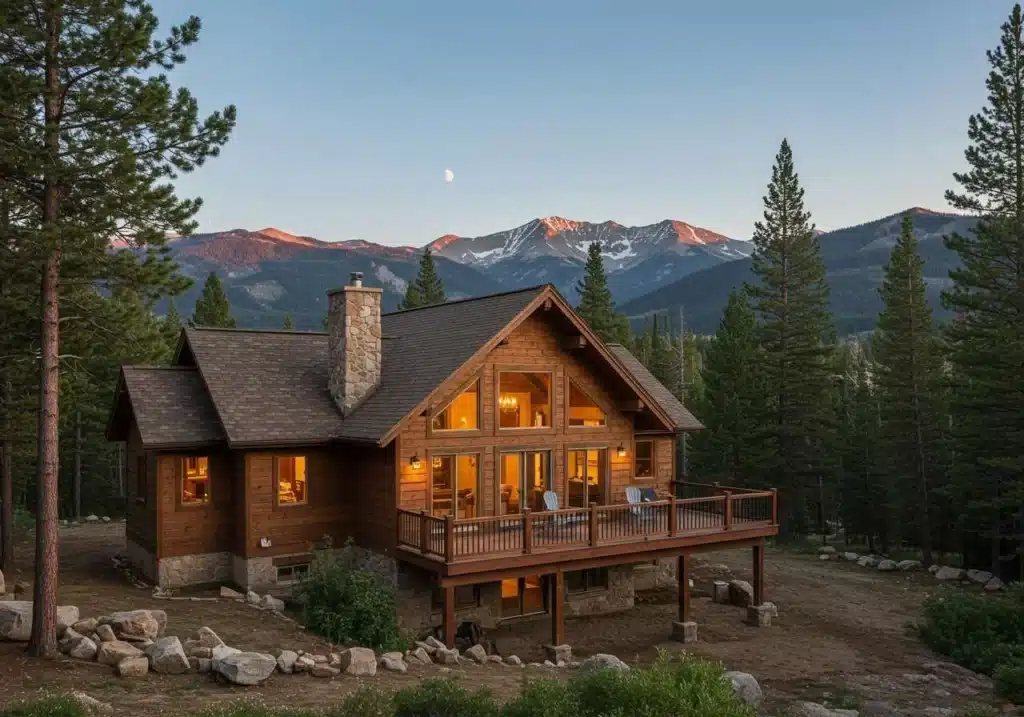
Dreaming of a new backyard deck in Littleton, Parker, Highlands Ranch, Golden, Aurora, or Castle Rock? Before you start picking out decking boards, it’s crucial to understand that each suburb along Colorado’s Front Range interprets and enforces deck building codes—and permit processes—a little differently. Even seemingly minor code nuances, like the required depth of footings or guardrail heights, can drastically affect your project’s timeline and budget.
Navigating Hidden Deck Code Pitfalls: Local Permit Nuances in Colorado’s Suburbs
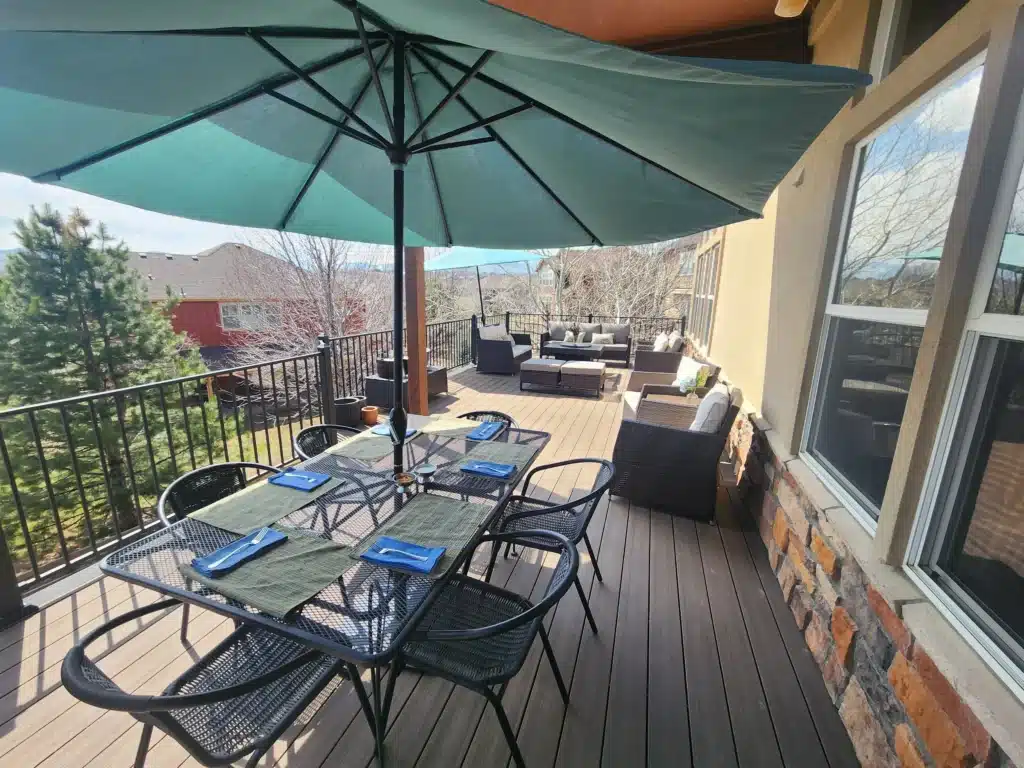
Dreaming of a new backyard deck in Littleton, Parker, Highlands Ranch, Golden, Aurora, or Castle Rock? Before you start picking out decking boards, it’s crucial to understand that each suburb along Colorado’s Front Range interprets and enforces deck building codes—and permit processes—a little differently. Even seemingly minor code nuances, like the required depth of footings or guardrail heights, can drastically affect your project’s timeline and budget.
Preventing Deck Failure: Colorado Front Range Snow Loads and Frost Heave
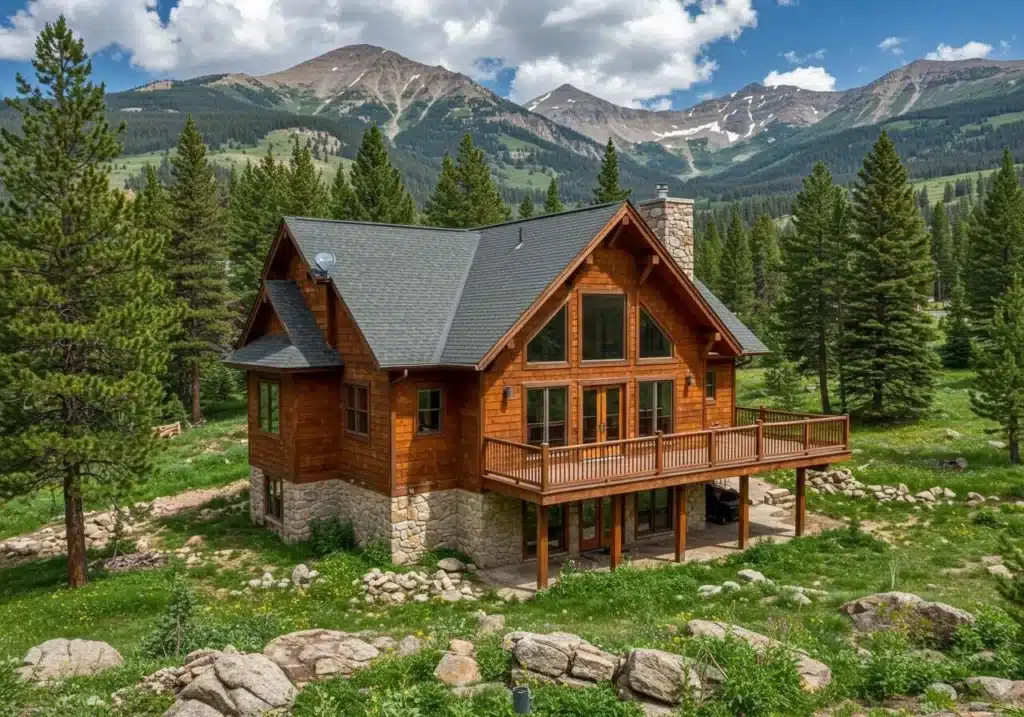
Worried your deck might not survive another Colorado winter? You’re not alone. Homeowners throughout the Colorado Front Range—from Parker to Castle Rock, Highlands Ranch to Golden—face unique structural challenges when it comes to building and maintaining safe, long-lasting decks. Snow loads and frost heave are top concerns, and overlooking either can turn your backyard oasis into an expensive liability.