
You slide the door open and step onto boards that stay cool, even at 3 p.m. Shade from a solid cover softens the glare; a quiet ceiling fan moves the air. Your coffee sits on a wide rail, feet bare, shoulders down. Home already feels like the poolside part of vacation—without leaving the house.
By 8, warm downlights glow; string lights sparkle; a screen tucks away the bugs. Friends drift between the table and grill as the fan hums and ribs sizzle. Kids sprawl on cushy lounge; the dog naps behind a gate. You linger past 10, talking instead of squinting or swatting; we build decks and covers so evenings feel this easy.
So what actually separates an ordinary yard from a true summer oasis—and how do you get there without guesswork or regret? Our 5-zone Oasis Framework maps how you live first, then the deck and cover follow.
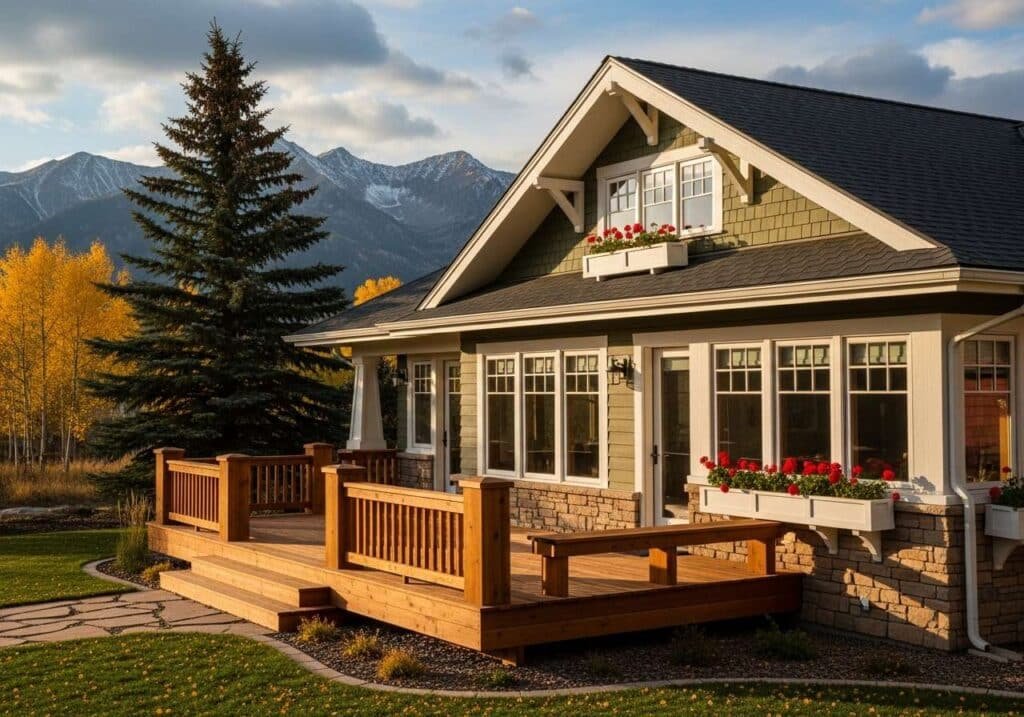
If our Oasis Framework is the map, the destination is everyday living space you actually use. A well-designed deck turns mornings into a calm coffee spot, midday into a shaded break, and evenings into easy dinners. Comfort is built in: solid cover for glare, a ceiling fan for airflow, screens to tame bugs, and boards that don’t scorch bare feet. Smart lighting and step edges improve safety. Add a heater or fire feature and you’ll stretch spring and fall by weeks.
It also organizes life into zones, so every square foot has a job. Kids get a safe play area with smooth transitions and sturdy railings; you get a quiet nook for calls. We place power by the grill, a hose bib for planters, and storage benches for cushions. Accessibility counts too—ramp or wide stairs for strollers and guests. Gates keep pets onboard. Done right, it feels natural, not tacked on.
Summer is short, schedules are packed, and travel keeps getting pricier. That makes an at-home oasis one of the smartest upgrades you can make. But piecemeal purchases—random furniture, a pop-up canopy—rarely fix slope, drainage, heat, or code. Plan once to avoid regret.
Start with the yard itself: uneven grades trip you up, and poor drainage leaves puddles where chairs should go. Afternoon sun bakes the patio; there’s no shade, and wind whips napkins away. Privacy is thin—neighbors look straight in. Steps feel steep, railings wobble, and boards get slick when wet. Then comes confusion: permits and setbacks, snow and wind loads, and what inspectors need. Finally, choices pile up—composite or hardwood, cable or glass, screen or no screen—analysis paralysis.
Clutter adds to the chaos: no place for cushions, toys, or the mower. Power is nowhere near the grill, and the hose drags across high-traffic paths. Surfaces run hot by 3 p.m., yet mosquitos arrive at dusk. HOA (homeowners association) rules, easements (shared-use strips), and property lines limit options. You worry about ledger attachment (the board that ties deck to house), frost depth, and whether stairs meet code. Meanwhile, materials blur together—warranties, textures, colors—and nothing feels certain.
Result? Weekends vanish into setup and takedown. You scatter mismatched chairs on patchy grass, squint through glare, and abandon a too-hot patio by 2 p.m. Money drips into temporary umbrellas, rugs, and fixes that fail by next season. The yard stays pretty in photos—and empty in real life.
Good intentions stall when quick fixes fight the site, the weather, and the rules. The status quo isn’t broken by effort; it’s broken by approach. Here’s why that pattern keeps costing you.
Footings too shallow (concrete bases that must sit below frost line) shift and crack, taking stairs and railings with them. Undersized framing—joists and beams that span too far—bounces and squeaks. Poor ledger flashing (the metal waterproofing where deck meets house) sends water into walls. Fast, cheap boards fade, cup, or splinter under chairs. Each miss invites safety issues, inspector red tags, and rework. By the time you correct it, you can burn through budget and lose another season.
Under covers, no ventilation traps moisture, so ceilings sweat and hardware corrodes. Wrong fasteners stain boards; missing expansion gaps cause buckling in heat. Skip drainage and under-deck space turns into a drip zone. Louvered roofs without wind or snow ratings rattle—or worse. Glass rail without cleaning access looks hazy after two weeks. One shared lighting circuit flickers with every appliance. Delays stack: backorders, permit revisions, change orders. The result is familiar—more time, more money, less use.
We see it all the time: when design and build live in separate silos, details fall through cracks. Budgets drift, timelines stretch, and owners make late decisions without a full picture. Integrating both upfront keeps choices aligned and progress steady.
There’s a better way: a simple planning framework that locks comfort, flow, and code into place. Next, we’ll map your five Oasis zones so decisions get easier—and your yard starts working like a resort.
So let’s map those five Oasis zones now. We organize every deck into Cook, Dine, Lounge, Play, and Refresh/Wellness so you stop guessing and start prioritizing. First, square footage goes where you’ll use it daily: Dine near the door for fast plate runs; Cook tucked out of traffic; Lounge where the view or breeze is best. Then flow gets obvious—42-inch walking paths (comfortable two‑way passing) and small staging spots prevent pinch points. Shade and lighting also click: midday cover over Dine, a ceiling fan over Lounge, and task lights by Cook. It feels planned. Not patched.
Microclimate guides placement. Morning sun for coffee at Dine, afternoon shade for Lounge, wind‑shelter for Cook so flames behave, and privacy around Refresh. When elevation helps, we split levels for drama and code‑smart steps (ideal 7‑inch risers with grippy nosings—the safe stair edge). We also future‑proof: conduit for heaters and speakers, a gas stub at Cook, and GFCI outlets (ground‑fault safety outlets) near Dine. Quick exercise: circle your top two zones—maybe Dine and Lounge—and we’ll design around those first. Projects that start this way often trim unused square footage—sometimes 40–60 square feet—and add comfort where it counts.
Use this quick cheat sheet as you sketch: each zone’s job and must‑have features.
Now match surfaces to each zone’s heat, moisture, and wear: Cook needs heat-safe boards; Refresh wants high-grip; Lounge rewards richer texture. With zones set, let’s compare materials next.
With your zones set, the next call is surface material—what lives best under your sun, shoes, and spills. You’re choosing durability, maintenance time, heat under bare feet, and long‑term cost, not just color. What feels best under bare feet at 3 p.m.? Composite, hardwood, and PVC each win in different conditions. In full‑sun Lounge or Cook zones, heat and scratch resistance matter; under covers, moisture and ventilation win. Paths and steps need texture you can trust when wet. Under covers, use hidden fasteners designed to prevent squeaks and leave ventilation gaps. Our rule: match material to sun exposure and foot traffic by zone, then pick the look you love.
Composite uses recycled content, shrugs off stains with soap and water, and stays stable; great for families and pets. Hardwood (ipe or garapa) feels cooler underfoot and looks stunning, but needs oiling to keep color—or it gracefully silvers. PVC is low‑maintenance and highly stain/mold resistant, but can run hottest in unshaded, dark colors; lighter tones help. Warranties usually cover fade and stain, not improper install. Ownership math: compared to oiled hardwood, composite or PVC saves 25–40 hours of upkeep. Variegated colors hide footprints. Good/Better/Best: shaded Dine—composite; full‑sun Cook/Lounge—light PVC or cool‑blend composite; Retreat—hardwood. Ask for a sample kit to test in your sun.
| Material | Look/Feel | Maintenance | Lifespan | Typical Cost (installed) | Best For |
|---|---|---|---|---|---|
| Composite | Wood‑like grain, no splinters | Low: mild soap, soft brush | 25–30 years with proper install | Mid–High; varies by brand and board profile | Busy families; low upkeep and strong warranties |
| Hardwood (ipe, garapa) | Rich, natural grain; premium warmth | Moderate: wash + annual oiling | 25–40 years; silvers if unoiled | High; material and labor intensive | Showpiece decks; cooler feel; strength |
| PVC (capped polymer) | Sleek, color‑stable, lightweight boards | Very low; choose lighter colors for heat | 25–30 years; excellent stain resistance | Mid–High; similar to composite premium | High sun and moisture; docks, Refresh zone |
Pricing shifts by region, site access, framing complexity, and add‑ons like railings, lighting, drainage, or kitchens. Brand tier and color also move costs. Use these bands as orientation—your best bet is a tailored quote for your site.
Surface chosen—now let’s make evenings magical. Lighting turns decks into destinations: safe steps, warm ambience, and simple control. Next, we’ll layer light the right way.
Surface chosen—now let’s actually make evenings magical with layered light you control. Start with the safety layer: post caps on corners mark edges, and low stair lights along risers make each step obvious and code‑friendly. Aim for a fixture every 3–4 feet on long runs, and at least one light per tread on primary stairs. Next, add an under‑rail glow that washes the deck surface without glare, so guests naturally follow the lines. Over at Cook, task lighting matters: a compact downlight over the grill and focused light on prep keeps color true and fingers safe. Keep color temperature warm—2700–3000K (the cozy, firelight range)—so food looks great and bugs stay calmer.
Controls tie it together. Separate zones—Navigate (steps/paths), Cook (grill/prep), and Ambience (soffit/under‑rail)—so you can brighten for games and dim for dessert. Dimmers let steps run at 60–70% for clarity while Lounge settles at 20–30% for conversation. Prefer shielded, down‑facing fixtures and use covers for soffit/downlights to stay dark‑sky friendly and neighbor‑kind. We wire clean: sealed connections, drip loops (a simple downward bend in cable that sheds water), and accessible transformers for easy maintenance. Pro tip: place a wall keypad by the door and app control on your phone—one tap for “All On,” another for “Movie Night.”
For ideas and options, explore our deck lighting Colorado resource.
Next up, railings that protect without stealing your view—how cable, glass, and aluminum balance code height, wind, and style while integrating lighting for a seamless edge.
That seamless edge you just lit should vanish when you sit and feel solid when you walk—your railing (the protective guard around the deck) makes that happen. Want open views without compromise? You’ve got four go‑to options: Aluminum gives slim, low‑maintenance frames; black or bronze melts into trees and sky. Cable keeps views wide open with tensioned stainless; to prevent sag, we tighten and keep posts closer—typically 4–5 feet apart. Glass panels stop wind and noise and shine near fire tables; we plan run‑off, top gaps for airflow, and cleaning access. Composite or wood brings warmth and heft, echoing your deck and stairs; we color‑coordinate caps, posts, and top rails so everything ties to your decking and trim.
Safety comes first, and the guard math is simple. Guard height is typically 36 inches on decks (42 inches in some areas); we size to your jurisdiction. Baluster spacing follows the 4‑inch sphere rule—no 4‑inch ball can pass between vertical pickets (balusters). Stairs get a graspable handrail—round or small‑profile you can fully wrap—mounted 34–38 inches above tread nosings (the front step edge), with returns (ends that turn into a wall or post) so sleeves don’t snag. For kids and pets, we add gates, toe‑kicks (small kick plates), and latches set around 36–42 inches. Example: on hillside builds, we’ll use cable toward the view and glass panels on the windward corner, then add a drink rail and post lights so safety, sightline, and style click.
See styles and specs in our custom deck railing Colorado guide.
Now we solve sun, rain, and neighbor views—pergolas, solid covers, and screens that cool surfaces 10–20°F and carve real privacy. Shade defines zones and extends seasons. Ready to dial in comfort?
You’re ready to dial in comfort; now we choose the structure your microclimate needs. Open pergolas shine when you want dappled light and airflow—great over Dine or Lounge when afternoons are warm but not stormy. Angle slats to blunt west sun, or add 70–90% shade cloth (a fabric panel that cuts glare) to drop surface temps 10–20°F. If wind funnels from the southwest, pair the pergola with a slatted privacy screen or tall planters; they break gusts without boxing you in. Shade also changes how boards feel: darker composite or PVC stays 8–15°F cooler under cover at 3 p.m.
When rain or high-altitude sun makes spaces unusable, a solid patio cover wins. You get true shade, dry dining, and clean wiring for fans, heaters, and downlights—extending your season by weeks. Keep the grill just outside the roof edge, 3–4 feet from walls, and follow the manufacturer’s 30–36 inch overhead clearance for safe venting. Use glass panels to block wind on one or two sides, and softer privacy—slatted screens or evergreen planters—where you want filtered views. To avoid heat buildup, we vent the cover at the eave and size gutters for big storms.
Browse our custom pergolas Colorado options to compare slat angles, shade cloth levels, and lighting add-ons.
For deeper weather protection, see custom patio covers Colorado; we integrate fans, heaters, gutters, and wiring cleanly.
Next, we’ll walk you through our build roadmap—from discovery call and site measurements to permits, framing, and final lighting—so your first cookout lands on schedule.
Let’s walk that roadmap now so your first cookout lands on schedule. A clear process keeps decisions tight, timelines predictable, and budgets controlled—no surprises, just steady progress you can track.
Step 1: Consultation — Clarify goals, top zones, style, sun/wind, and site constraints on‑site or virtual; snap photos, measure access, discuss budget guardrails.
Step 2: Design & Materials — Iterate layouts in 3D, refine Oasis zones, confirm decking, railings, lighting; bring samples so you can test color and heat.
Step 3: Detailed Proposal — Fixed scope, clear allowances, and a projected timeline; includes permitting path and payment milestones so you know what’s next.
Step 4: Permits & Engineering — Produce drawings, handle code compliance, manage HOA (homeowners association) submissions; coordinate engineering for snow and wind loads to streamline approvals.
Step 5: Build — Set footings, flash ledgers, frame, run electrical, install decking, railings, and covers; tidy site, protect landscaping, and send daily updates about inspections.
Step 6: Final Walkthrough — Tackle punch list, test lights/fans, review care tips, warranty, and maintenance; deliver your Care Kit and a clean, photo‑ready deck.
Typical timelines: design 1–2 weeks; permits, HOA (homeowners association), and engineering 3–8+ weeks (city and season matter); build 2–3 weeks for compact decks, 4–8+ with covers or kitchens. Weather, inspections, and special orders can shift schedules slightly—we’ll update you weekly.
Ready to talk numbers? Next, we’ll break down what drives cost, smart tradeoffs, and how to phase builds—so you can prioritize with confidence and avoid surprises.
You’re ready to talk numbers—here’s how your budget actually forms. Size and height drive structure; bigger footprints and taller decks mean more framing, posts, and permits.
Use this 60‑second checklist to align scope with your budget.
Locked the budget? Great. Protect that investment with simple seasonal care—next, the easy cleaning playbook that keeps it looking new.
You just protected your budget; now protect the deck with a 15‑minute monthly routine and a quick seasonal sweep—simple, do‑no‑harm steps that keep color, safety, and warranty intact.
Step 1: Dry Sweep — five minutes weekly; push off sand, pollen, and pine needles. Grit is sandpaper under shoes; remove before rain grinds it in.
Step 2: Gentle Wash — mild dish soap, warm water, soft brush. Rinse well. Skip close pressure washing; it scars boards and can force water into seams.
Step 3: Spot Treat — address spills within 48 hours. Approved degreaser for grease, rust remover (iron stains) for metal marks, oxygen bleach (non‑chlorine) for leaf tannins.
Step 4: Check Fasteners — each spring, tighten loose screws, snug rail brackets, and test stairs. Wiggle posts; any movement? Fix before guests arrive.
Step 5: Protect — add felt furniture pads. Use breathable grill mats. Lift planters on risers. Skip black rubber mats on composite; they stain.
Step 6: Winter Prep — keep gaps open for airflow. Use a plastic shovel; push, don’t chop. Skip rock salt; use eco‑friendly deicer (safer on composite) sparingly.
Check the brand's care guide; it lists approved cleaners, ice melts, and pressure-wash limits. Following it preserves your fade/stain warranty and prevents accidental damage.
Want to see this play out in real life? Next up: a before‑and‑after showing how simple care plus design turned a hot yard into a nightly hangout.
You asked to see this play out in real life—here’s that quick before-and-after. Picture a west-facing yard that baked by 2 p.m., a sloped lawn that turned to mud after storms, and a grill parked on gravel outside a sticky back door. No shade, no privacy, and two wobbly steps with no handrail meant the space sat empty most evenings. Add strict HOA (homeowners association) color rules and setback limits, and they felt stuck.
We started with the Oasis plan: Dine near the kitchen door under a solid cover, Cook in a tucked corner with gas and power, Lounge at the far edge to grab the view, Play on a durable, open pad, and Refresh as a quiet reading nook with a screen. A two-level deck solved the slope and traffic flow; 7-inch risers and grippy nosings made stairs feel natural. We chose a light, heat-tolerant composite so bare feet stayed comfortable; cable rail opened sightlines toward trees, and a slatted privacy screen wrapped the Retreat without feeling boxed in. Lighting sealed it: 2700K (warm white) downlights in the cover, one riser light per tread, and an under-rail wash on paths—with a keypad inside the door and dimmers by zone.
First week after the final walkthrough, they ate outside five nights. Surface temps ran 10–12°F cooler under the cover at 3 p.m. (we spot-checked with an infrared thermometer), and an infrared heater (a radiant heat panel) kept Lounge cozy at 55°F. Rain showed up once; dinner stayed dry, and the new gate kept their dog onboard. Timeline was five weeks on-site after permits; total budget landed mid-band for a two-level deck with a solid cover, lighting, and cable rail. Their text said it best: “We’re outside more this week than last summer.”
Curious about permits, heaters under covers, or timelines? Our FAQs answer the top questions in plain English—then book a quick design call when you’re ready.
You asked about permits, heaters, and timelines—here are quick, candid answers so you can decide fast.
Ready to see your yard mapped as zones? Book a 20‑minute design call, or grab a fast ballpark—then we’ll mail you a free sample kit.
You’re ready to see your yard mapped into real zones—let’s do it with a free 20‑minute design call. We’ll meet by Zoom or phone, weekdays or a quick evening slot, whatever fits. You’ll tell us coffee spots, homework zones, grill nights; we’ll sketch flow, shade, and railings that keep sightlines open and kids safe. By the end, you’ll have a rough layout, a budget band, and a timeline window. No pressure, no obligation—just expert answers and a clear next step.
Prefer to start with numbers? Use our quick ballpark estimator—size and options in, a range out in about three minutes. Want to feel materials? We’ll mail a free composite/PVC sample kit so you can test color and heat in your own sun; most arrive in 3–5 days. If you’re aiming for spring, booking now secures prime slots. Winter builds often move faster on permits and scheduling, so your first cookout hits right on time.
Prefer to explore examples first? Visit our custom deck contractors Colorado page to see styles, materials, and lighting ideas.
Tell us about your outdoor living goals
Thank you for reaching out.
We'll get back to you shortly.