
Choosing the Right Decking Material for Colorado’s Front Range: A Data-Driven Guide for Homeowners

This article will deliver a decision-focused, evidence-based guide for Front Range homeowners that moves beyond generic “wood vs. composite” advice to a measurable selection framework: it will synthesize local climate data (freeze–thaw frequency, UV index, snow load, altitude-driven thermal ranges) with material performance metrics (water absorption, thermal expansion, surface abrasion, fire classification, and warranty durability) and compare lifecycle costs, maintenance schedules, and embodied-environmental impact (LCA and recycled content). The piece will show how to build a homeowner-ready multi-criteria decision analysis (MCDA) and sample decision matrices for common Front Range microclimates (Littleton, Centennial, Parker, Highlands Ranch, Golden, Aurora, Castle Rock), explain installation details that materially affect longevity (ledger flashing, joist spacing, fastener selection, snow-shedding slope, and thermal bridging), and translate findings into three practical outcome paths—low-maintenance capped composite/PVC for minimal upkeep, treated/natural wood for aesthetic and budget preferences with defined maintenance plans, and aluminum or fire-rated systems for high-wildfire-risk sites—so readers leave with a prioritized shortlist, estimated lifecycle costs, and the inspection checklist needed before scheduling a free professional consultation.
How to Choose the Best Decking Material for Colorado’s Extreme Weather

Selecting the right decking material for Colorado’s unique climate involves more than just aesthetic preference. Homeowners must navigate complex factors such as severe temperature fluctuations, intense UV exposure, and heavy snow loads. This article will delve into the nuanced decision-making process, exploring questions like which materials offer the best resistance to these conditions and how they impact long-term maintenance and cost. Understanding these elements is crucial for homeowners aiming to build a durable, low-maintenance deck that withstands Colorado’s harsh weather while enhancing their outdoor living space.
How to Choose the Best Decking Material for Colorado’s Extreme Weather

Selecting the right decking material for Colorado’s unique climate is a complex decision that involves balancing durability, maintenance, and cost. With temperature swings from -15°F to 95°F, intense UV radiation, and heavy snow loads, traditional wood decks often warp, crack, or fade. Homeowners must consider innovative materials like composite and PVC, which offer superior resistance and longevity. This article will explore the nuanced considerations of material performance, cost-benefit analysis, and essential construction techniques to ensure your deck withstands Colorado’s challenging weather conditions, providing a durable and beautiful outdoor space for years to come.
Decking Safely in Colorado: How to Choose Fire-Resistant Materials for Wildfire-Prone Areas

Selecting decking material along the Colorado Front Range isn’t just about aesthetics or durability—it’s also about fire safety. Many neighborhoods near Parker, Castle Rock, and Golden face increasing wildfire risk and must comply with local fire codes and HOA guidelines. This article will explore the nuanced process of evaluating composite, hardwood, and pressure-treated options through the lens of fire ratings, code compliance, and insurance implications. We’ll address complex questions like which materials meet Colorado’s Wildland-Urban Interface (WUI) standards, how homeowners can balance safety with budget, and what hidden pitfalls can arise during permitting. This guide is crucial for residents who want peace of mind and a beautiful, resilient deck that stands up to Colorado’s changing climate and regulatory landscape.
Choosing Fire-Resistant Decking Materials for Colorado’s Wildland-Urban Interface

Navigating deck material selection in Colorado’s foothill communities means factoring in more than just weather—it demands a strategic look at wildfire risks and local building codes. This angle dives deep into how the wildland-urban interface (areas where homes meet wild lands) shapes the need for ignition-resistant decking, explores available fire-rated composite, PVC, and treated wood options, and unpacks the nuanced trade-offs between durability, maintenance, appearance, and code compliance. Homeowners will learn how to make informed choices that reduce fire hazards without sacrificing style or long-term performance, addressing a pressing concern unique to Littleton, Castle Rock, Golden, and nearby Front Range neighborhoods.
Freeze-Thaw Cycles and Decking: Choosing the Right Materials for Colorado’s Shifting Soil

Homeowners along Colorado’s Front Range face a uniquely complex challenge when selecting decking materials: the region’s dramatic freeze-thaw cycles and shifting soils can wreak havoc on conventional decks. This article will delve into how repeated ground movement and temperature swings stress different materials—especially natural wood, composites, and PVC—and why certain products fare better over decades. We’ll explore typical homeowner concerns, such as warping, splitting, and premature rot, as well as advanced installation strategies (like helical piers or floating footings) that can mitigate risk. Understanding these nuanced, location-specific factors is crucial for anyone seeking a durable, low-maintenance deck investment in Centennial, Castle Rock, or Highlands Ranch.
Selecting Wildfire-Resistant Decking: Smart Choices for Colorado’s Front Range

Wildfire risk is a pressing concern for homeowners in the Colorado Front Range, where local codes and insurance requirements now shape material choices for new decks. This article will explore the nuanced process of selecting wildfire-resistant decking, including the scientific differences between composite, hardwood, and treated softwood options. We’ll address the evolving landscape of building codes, how material selection can impact your homeowner’s policy, and which certifications truly matter. Homeowners will gain practical guidance on balancing fire safety, aesthetics, and long-term durability—critical factors for protecting investments and ensuring peace of mind in fire-prone neighborhoods such as Castle Rock, Golden, and Highlands Ranch.
Choosing Fire-Resistant and Climate-Ready Deck Materials for Colorado’s Front Range

For homeowners along Colorado’s Front Range, choosing decking materials is more than just a style decision—it’s a complex balance between fire-resistance, UV durability, and structural integrity under heavy snow loads. With wildfire risks on the rise and volatile weather ranging from intense sun to freezing temperatures, material choice becomes a matter of safety and long-term value. This article will dive deep into the nuances of modern composite, treated wood, and emerging alternative materials, exploring how they respond to local codes, perform over years of exposure, and impact insurance costs. We’ll answer pressing questions about the real-world tradeoffs between eco-friendliness, upfront costs, and resilience—empowering local homeowners to make smart, future-proof decisions for their outdoor living spaces.
Why Modern PVC and Composite Decking Excel Over Wood in Colorado’s Harsh Climate

This article explores the nuanced technical and practical reasons why advanced PVC and composite decking—such as capped polymer and next-generation composite boards—offer superior performance over traditional wood in the Colorado Front Range. We’ll dive deep into material science: how innovations in moisture resistance, UV stability, and freeze-thaw resilience are engineered for the region’s notorious sun, snow, and temperature fluctuations. Homeowners will gain clarity on confusing marketing claims, the true cost of ownership (including long-term maintenance and fading), and the specific questions to ask when choosing a material that won’t warp, splinter, or fail in local conditions. Understanding these complexities is crucial for making an investment that truly lasts and protects both your home’s value and your peace of mind.
Selecting Fire-Resistant Deck Materials for Colorado’s Wildland-Urban Interface
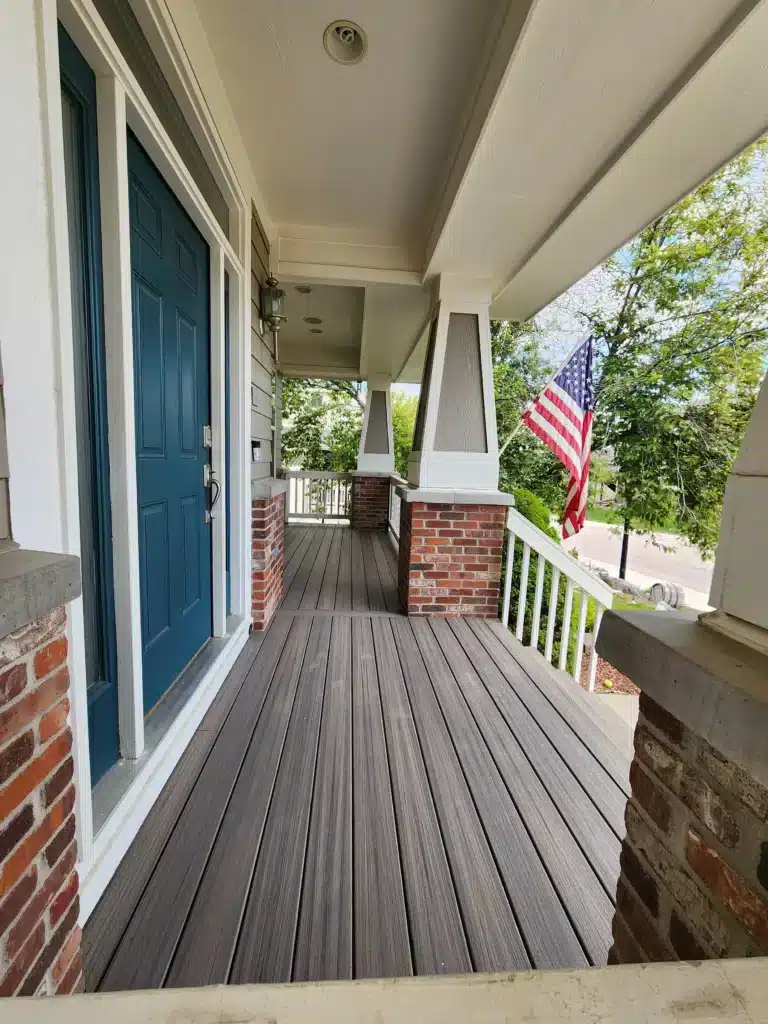
With wildfire risks rising across Colorado’s Front Range communities, homeowners face tough choices when selecting decking materials—balancing aesthetics, code compliance, and safety. This guide examines the nuanced process of identifying fire-resistant decking options that meet local regulations, resist ember ignition, and withstand rapid temperature swings common in Littleton, Castle Rock, and Highlands Ranch. We’ll cover questions about which composite and hardwood products truly perform, how local codes are evolving for the wildland-urban interface, and why installation details (like board spacing and flashing) are as critical as the material itself. For property owners near open space or foothills, understanding these complexities is essential for both peace of mind and protecting your home investment.